
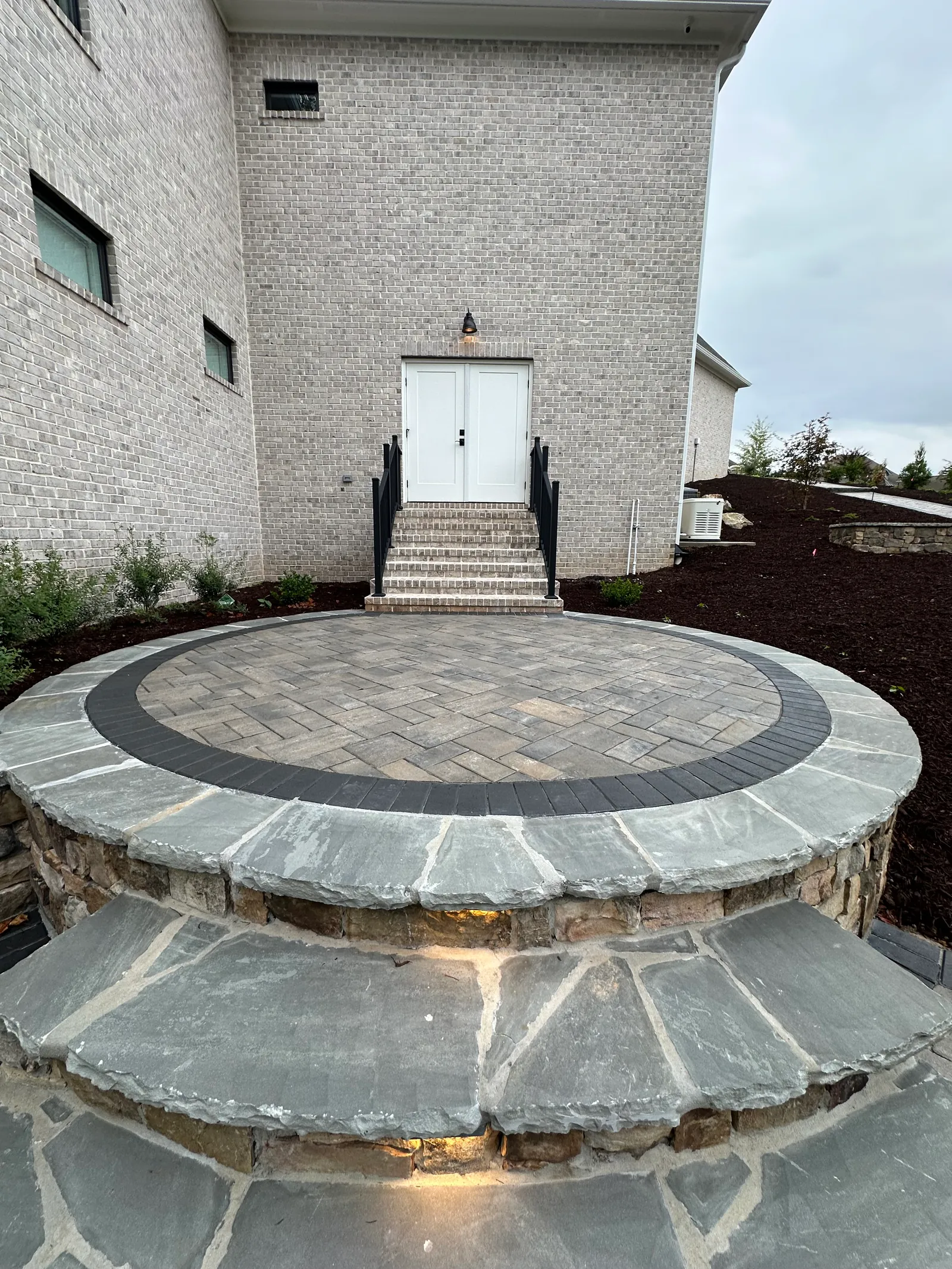
Materials & Cost
What Does Patio Installation Cost in Upstate SC?
What does patio installation cost in Upstate SC? See how materials, size, grading, access, and features affect the budget for a well lasting outdoor space.
By Innova Hardscapes and Landscapes · Published August 30, 2026
A patio can turn an unused patch of lawn into the place where your family eats outside, gathers around a fire, or relaxes after a long day. But before choosing pavers or sketching an outdoor kitchen, homeowners understandably ask: what does patio installation cost? The honest answer is that patio pricing depends on the materials, site conditions, design, and level of finish required to make the space look polished and perform well for years.
For homeowners across Upstate South Carolina, patio pricing varies more by scope than by any single number. A straightforward concrete patio typically sits at the more affordable end of the range, while a custom natural stone patio with walls, steps, drainage work, and built-in features costs meaningfully more. The best starting point is not a single price per square foot, but a clear understanding of what your property needs.
What Does Patio Installation Cost by Material?
Material selection has one of the largest effects on the final investment. Each option brings a different appearance, maintenance profile, and installation process.
Concrete patios
A basic poured concrete patio is often the most economical hardscape option, though the final number still depends on access, excavation, thickness, reinforcement, finish, and site preparation. A broom finish is practical and slip-resistant, while stamped or colored concrete can create a more decorative appearance at a higher price.
Concrete works well for homeowners who want a clean, functional entertaining area without the cost of individual pavers or stone. Its trade-off is that cracks can occur as the ground moves over time, especially if drainage and base preparation are not handled correctly.
Brick pavers and concrete pavers
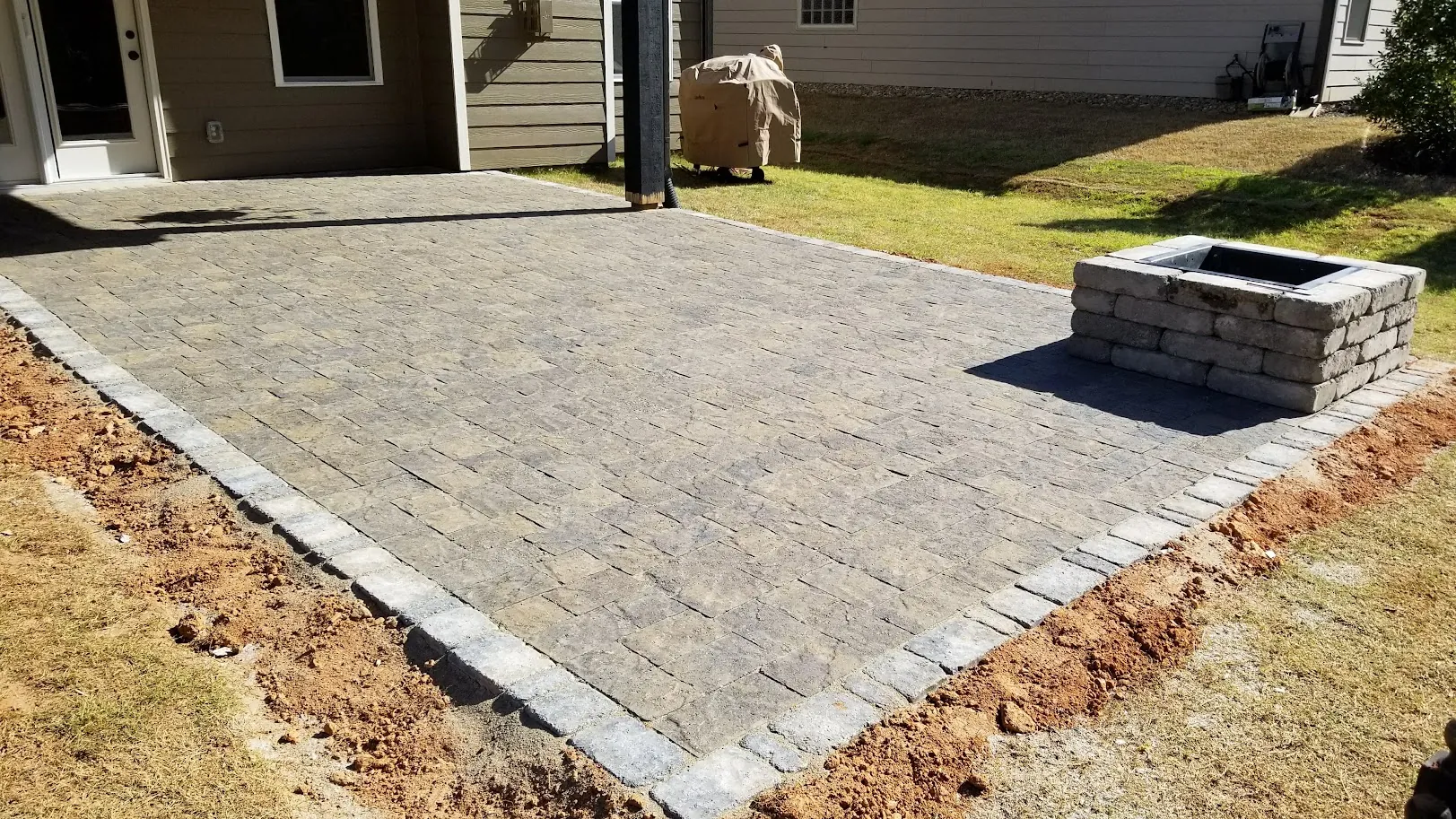
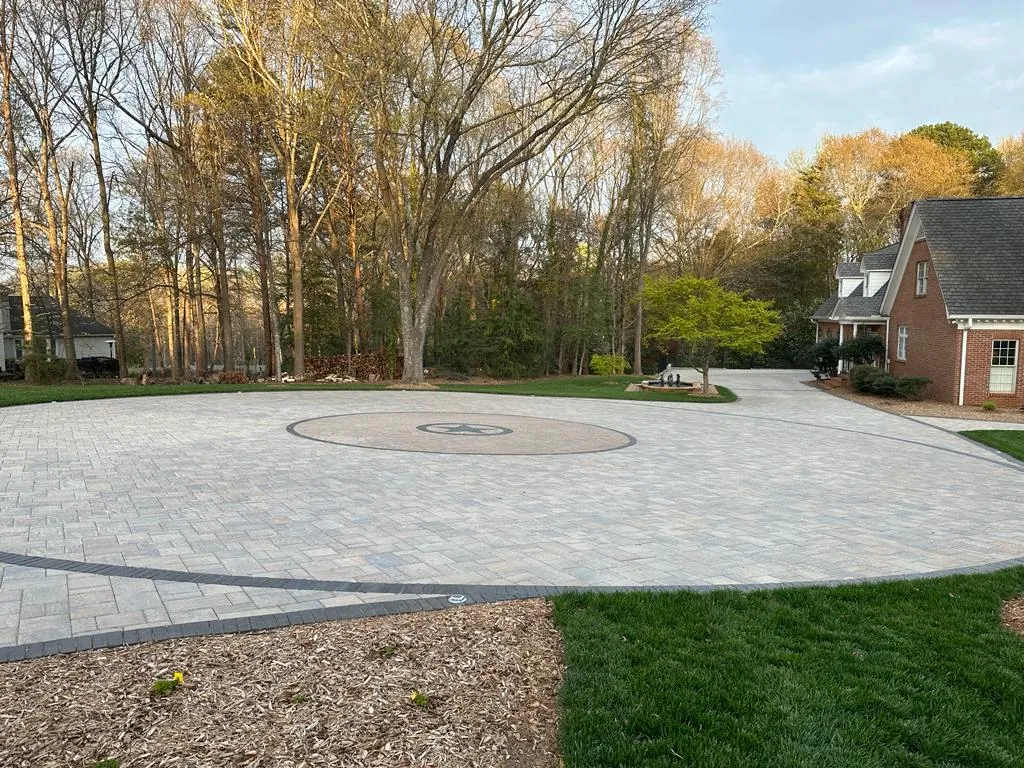
Paver patios generally cost more than a basic concrete slab but less than natural stone, with premium products, intricate patterns, borders, and challenging sites pushing the cost higher. Pavers offer an intentional, tailored look and work beautifully with walkways, firepits, pool decks, and garden edges.
Their value is in the system beneath the surface as much as the pavers themselves. Proper excavation, a compacted aggregate base, bedding sand, edge restraints, and joint material help keep the patio level and stable. If a repair is needed later, individual pavers can often be removed and reset rather than replacing an entire slab.
Natural stone patios
Flagstone, bluestone, travertine, and other natural stone materials create a distinctive outdoor setting with color variation and texture that cannot be duplicated exactly. Natural stone typically represents the largest investment among common patio materials, with the final cost depending heavily on the stone, pattern, cuts, base method, and design details.
Natural stone is often the right choice when the patio is meant to feel like a true extension of the home or landscape. It also requires thoughtful material selection. Some stones stay cooler around pool areas, while others offer better traction or suit a more rustic garden setting.
Size Sets the Starting Budget, Not the Final Price
A compact patio and a large one draw on the same crew, equipment, and mobilization regardless of size, so cost does not scale in a straight line with square footage. Larger patios use more material and labor, but the fixed costs of access, layout, and cleanup are spread across more space.
As a broad planning example, a simple concrete patio sized for a small dining set represents a modest investment, a larger paver patio designed for dining and conversation costs meaningfully more, and a custom outdoor destination that includes stonework, seating walls, lighting, a fire feature, and landscaping can be substantially more than either.
The goal is to size the patio around how you will actually use it. A dining table needs room for chairs to slide back. A firepit needs safe clearance and circulation. If you entertain often, a narrow rectangle that technically fits furniture can feel crowded from the first gathering.
The Site Conditions That Change Patio Pricing
Two patios with the same square footage and material can have very different installation costs. The difference is often beneath the finished surface.
Grading and drainage
Upstate South Carolina properties frequently have slopes, clay soils, and areas where water moves quickly during heavy rain. A patio must be graded to shed water away from the home while still looking level and natural in the yard. If the site needs regrading, drainage solutions, retaining, or additional base depth, the budget will increase.
This is not the place to cut corners. Water that settles against a foundation, erodes joints, or washes out the base can turn a beautiful patio into an ongoing repair issue. Good hardscape construction starts with a plan for where the water will go.
Excavation and soil preparation
A durable patio requires more than placing material on the lawn. The crew may need to remove sod, excavate soil, compact the subgrade, install a stone base, and establish the correct pitch. Rocky ground, dense clay, old buried materials, or unstable soil can add labor and disposal costs.
In older neighborhoods in Greenville, Greer, Mauldin, and surrounding communities, contractors may also encounter existing concrete, tree roots, former landscape borders, or utility considerations. A site visit gives a much more reliable picture than an online price calculator.
Access to the backyard
Can equipment reach the work area easily, or must materials be moved by hand through a narrow side yard or gate? Limited access can affect labor time, especially for patios behind homes with fenced yards, steep lots, or established landscaping that needs protection.
Professional crews plan around access carefully. They should protect nearby turf and plantings where possible, keep the jobsite organized, and leave the property clean when the work is complete.
Features That Add Cost and Everyday Value
A patio is often the foundation for a larger outdoor living plan. Adding features increases the initial budget, but it can also prevent the need to tear up a new patio later when your needs change.
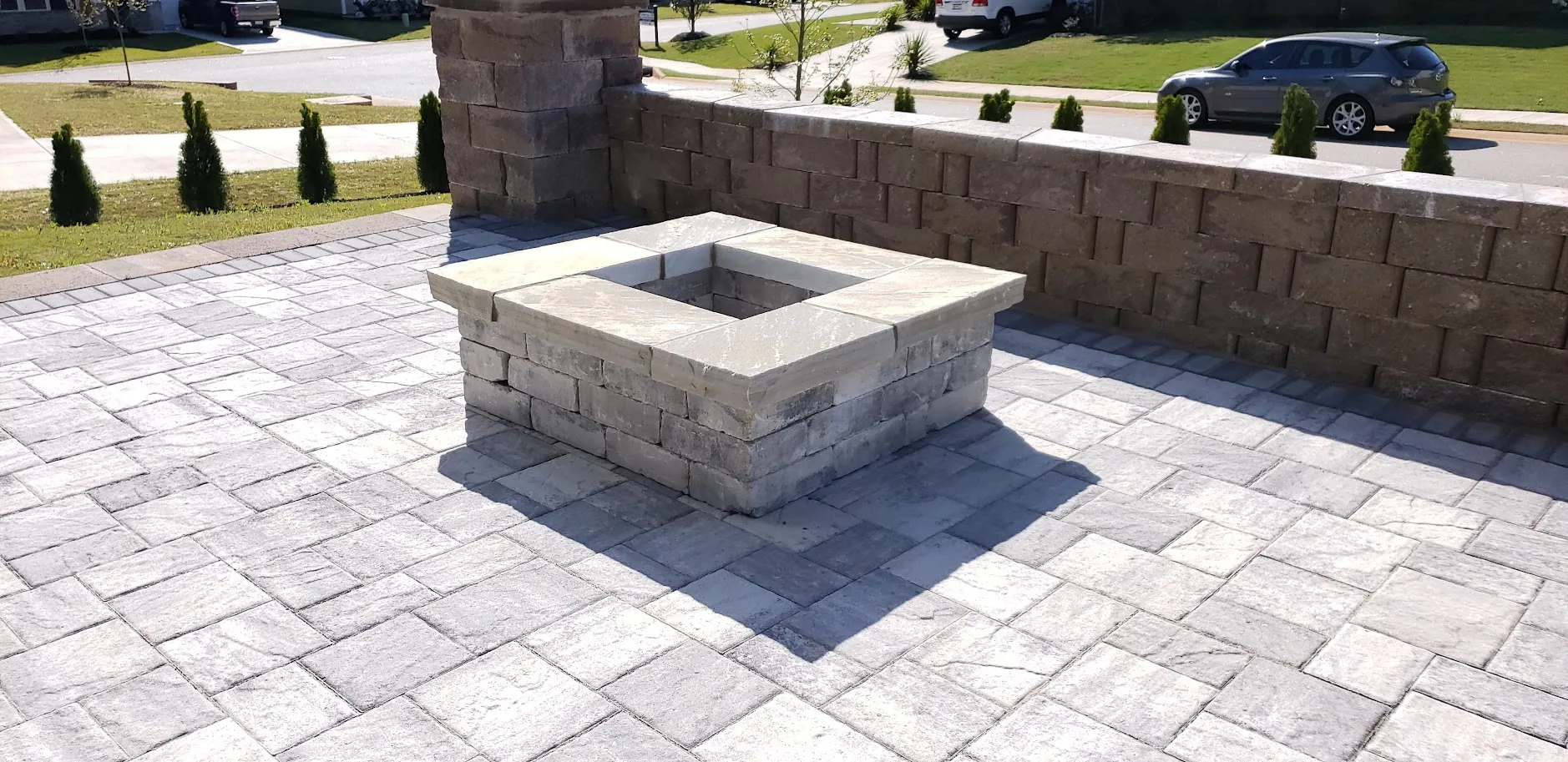
A firepit or outdoor fireplace creates a focal point for cooler evenings. Seating walls add comfortable gathering space without filling the patio with extra chairs. Steps and landings solve elevation changes elegantly, while a pergola can provide needed shade. Outdoor kitchens, grill islands, lighting, drainage, and landscape planting each add their own scope of work.
The key is to prioritize. If a full outdoor kitchen is not in the budget now, it may still make sense to plan the patio layout and utility routes so it can be added later. A thoughtful phased approach protects both the design and your investment.
How to Compare Patio Estimates Fairly
The lowest patio quote is not always the lowest-cost outcome. Before comparing proposals, make sure each contractor is pricing the same scope. Ask what material is included, how deep the excavation and base will be, whether drainage is addressed, and how edges, steps, and transitions will be finished.
You should also understand what happens to removed soil and debris, whether site protection and final cleanup are included, and how changes discovered during excavation will be handled. A detailed proposal makes it easier to see the workmanship behind the number.
For custom projects, design guidance matters as well. A patio should connect naturally to the home, existing walkways, lawn, pool area, and garden beds. Innova Hardscapes and Landscapes helps homeowners shape those choices into an outdoor environment that feels purposeful rather than pieced together.
Setting a Realistic Patio Budget
Start by deciding what matters most: more square footage, a premium surface, a fire feature, privacy, shade, or landscaping that softens the hardscape. Most homeowners cannot maximize every category at once, so clear priorities lead to better decisions.
A smaller patio built with proper grading, a stable base, and materials you genuinely enjoy is usually a better investment than an oversized surface installed without the preparation it needs. It should look distinguished on day one and remain comfortable, safe, and usable through changing seasons.
The most useful next step is a site-specific conversation. Once a contractor sees the slope, soil, access, existing features, and the way you want to live outdoors, your patio budget becomes far more than a broad range - it becomes a practical plan for a space your household will want to use.
Related Services
Patios
Durable, precisely-laid patios built on a proper base — the difference shows up years later, not on day one.
Drainage Solutions
Solves standing water and erosion issues before they damage anything else on the property.
Outdoor Fireplaces
A real gathering point for the yard, built to handle regular use.
Related Articles
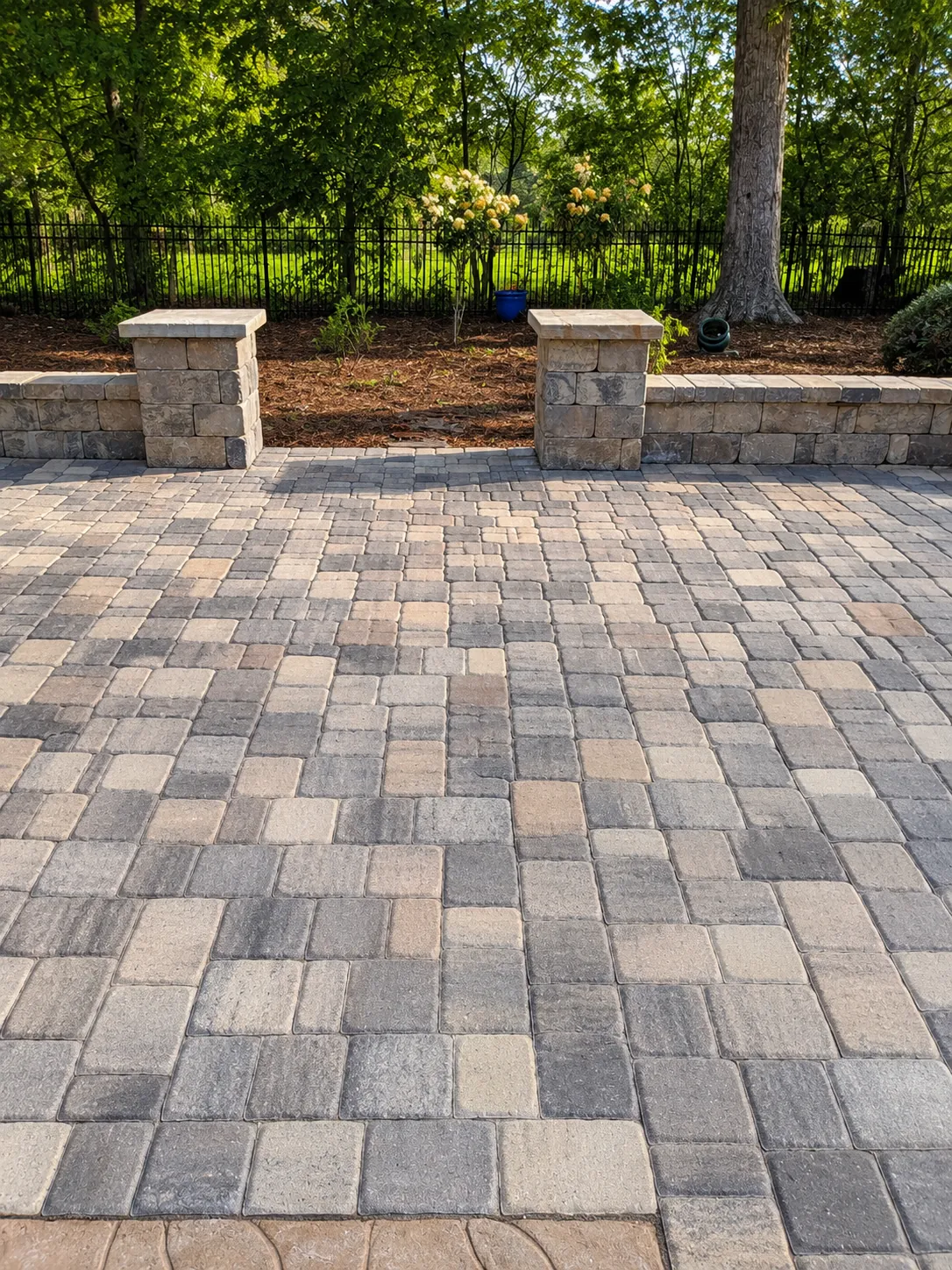
Best Patio Materials for Heat in Upstate SC
September 21, 2026
Compare the best patio materials for heat in Upstate SC, from travertine to concrete pavers, and plan a cooler, durable backyard surface for summer.
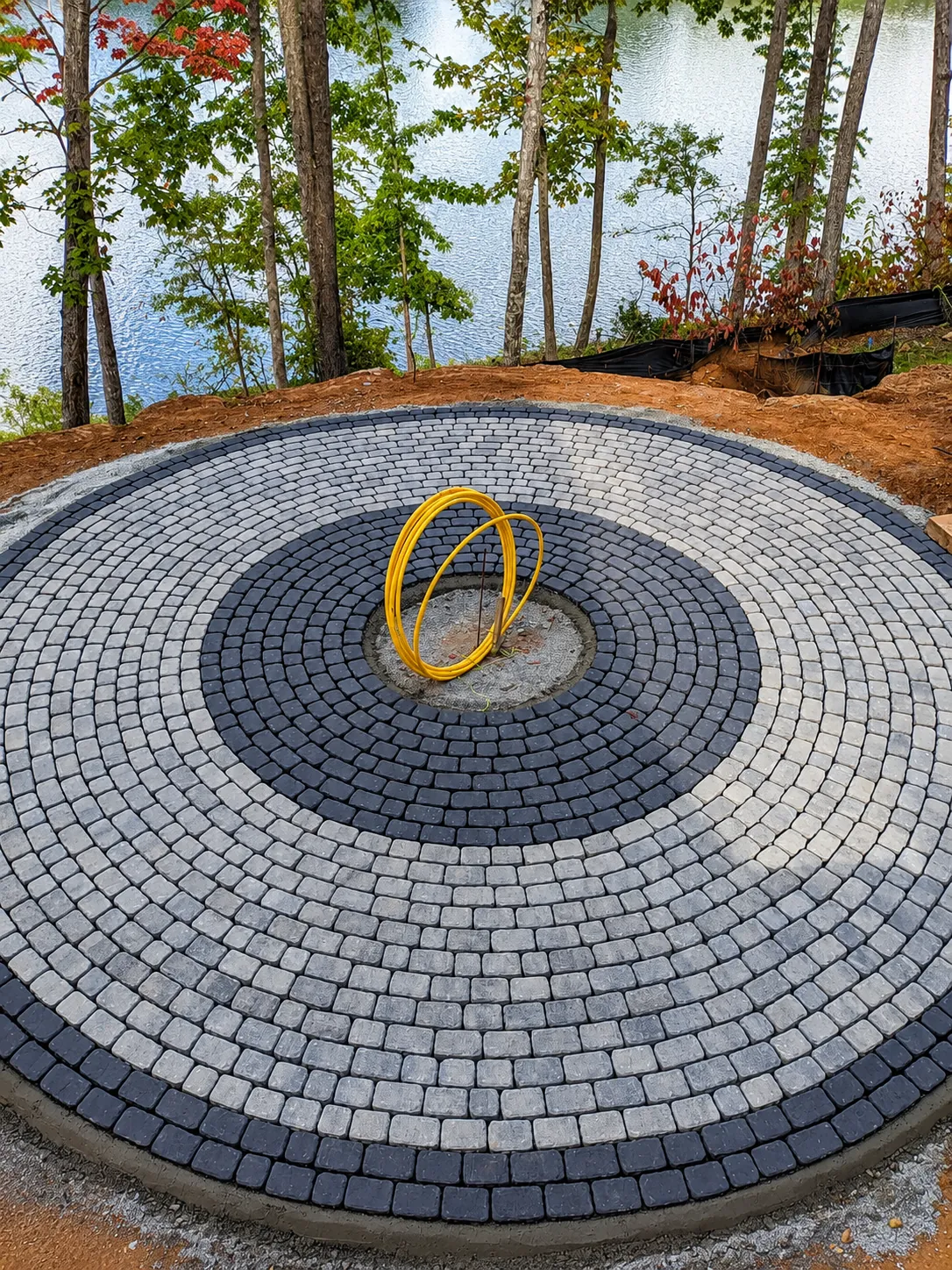
Patio Material Selection for Upstate SC Yards
September 5, 2026
Make patio material selection easier with clear guidance on pavers, concrete, stone, and porcelain for beautiful, durable Upstate South Carolina yards.
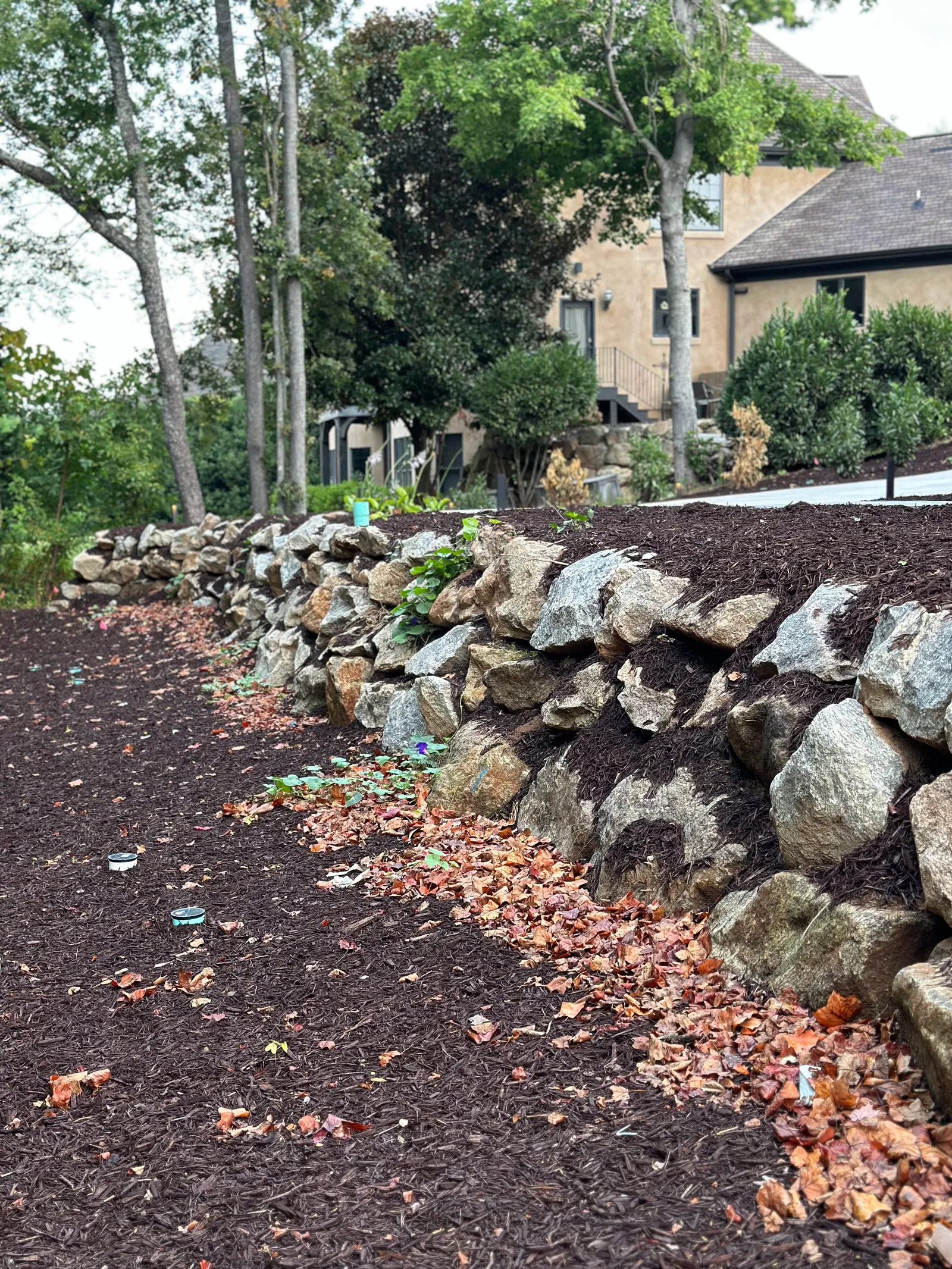
12 Best Low Maintenance Landscape Ideas for Yards
September 15, 2026
See the best low maintenance landscape ideas for Upstate SC homes, from durable patios to smarter planting plans that look polished with less weekend work.
Ready to start your project?
Tell us about your space and we'll follow up to schedule a consultation.