
Design Tips
How to Plan Lighting for a Patio That Feels Right After Dark
A layered approach to patio lighting design brings comfort, safety, and after-dark appeal to Upstate SC homes, built around durable, well-planned fixture choices.
By Innova Hardscapes and Landscapes · Published August 16, 2026
A patio can look beautifully finished at 6 p.m. and disappear into the yard an hour later. Thoughtful outdoor lighting design changes that. It gives homeowners a safer path to the door, a clearer view of steps and edges, and a welcoming setting for dinner, conversation, or a quiet evening outside.
For homes across Upstate South Carolina, patio lighting should do more than add brightness. It should support how the space is used, complement the materials underfoot, and make the landscape feel intentional after dark. The best results come from layers of light placed with purpose, not from a row of fixtures aimed at every corner.
Start With How the Patio Will Be Used
Lighting decisions should follow the life of the patio. A small paver sitting area used for weeknight meals needs a different approach than a pool deck built for larger gatherings. A firepit patio may need soft perimeter light that preserves the atmosphere, while an outdoor kitchen benefits from clearer task lighting around prep and cooking areas.
Think through the moments that happen after sunset. Where do guests enter? Where are the changes in elevation? Which seating areas should feel private and relaxed? What needs to be visible when someone carries a plate, checks on children, or walks in from the driveway?
This early planning prevents a common mistake: installing attractive fixtures without enough light where people actually move. It also prevents the opposite problem - making a patio so bright that it feels more like a parking area than an outdoor destination.
The Three Lighting Layers That Matter Most
A polished patio usually combines ambient, task, and accent lighting. Each has a distinct job, and the balance between them is what creates a comfortable evening setting.
Ambient light creates the overall mood
Ambient light provides the gentle illumination that lets people settle into the space. It may come from downlighting in a pergola, discreet fixtures mounted along a retaining wall, or a carefully placed wash of light from nearby trees and planting beds. The goal is enough visibility to move comfortably without flattening every surface with harsh light.
Warm color temperatures generally work especially well around patios, stonework, and wood structures. They make brick, natural stone, and textured pavers feel inviting while keeping the setting relaxed. Cooler light can make some materials appear stark or blue, particularly against the warm finishes common in outdoor living areas.
Task light supports cooking, dining, and movement
Task lighting belongs where a specific activity requires a clearer view. An outdoor kitchen needs useful light at the grill, counter, sink, and serving area. A dining table may benefit from a pendant or overhead fixture if the patio is covered. Steps, transitions to a pool deck, and routes from the house need consistent illumination that makes footing easy to read.
Task lighting does not need to dominate the design. Properly shielded fixtures can direct light downward where it is needed, reducing glare in the eyes of someone seated nearby. For a patio that hosts meals often, this practical layer is one of the biggest quality-of-life improvements homeowners can make.
Accent light gives the yard depth
Accent lighting is where the patio begins to feel connected to the rest of the property. A soft uplight on a mature tree, a gentle wash across a stone retaining wall, or subtle illumination around ornamental grasses can create depth beyond the edge of the hardscape.
This layer is particularly valuable for patios that face a large or dark backyard. Without it, the patio can feel like a bright island surrounded by a black void. A few well-positioned landscape fixtures extend the view and make gardens, borders, and architectural features part of the evening experience.
Where Patio Lighting Makes the Biggest Difference
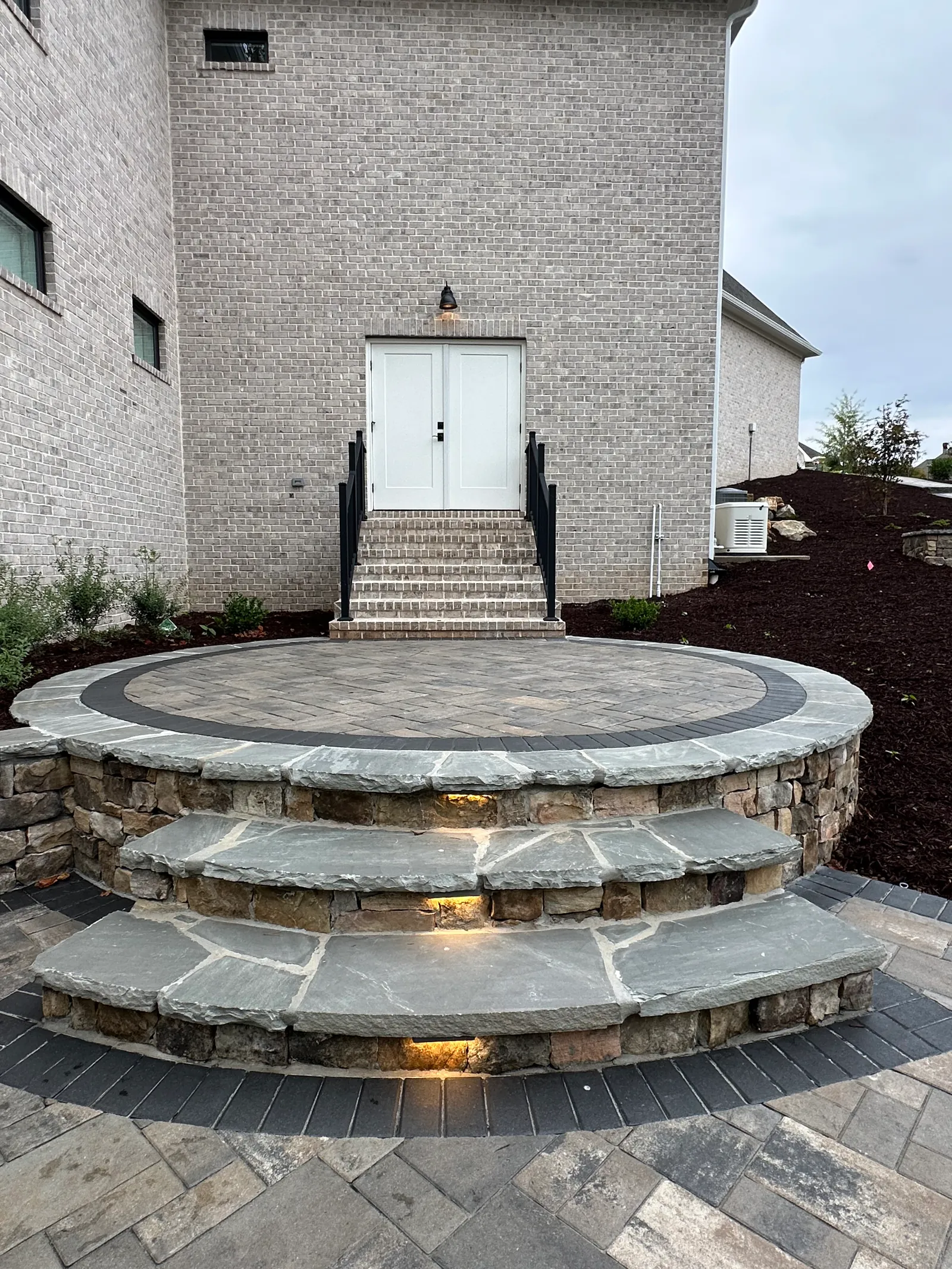
Certain locations consistently offer strong visual and practical value. Stair risers and low retaining walls are ideal places for integrated lighting because they define edges without placing fixtures in the walking path. Low-voltage lights tucked beneath a wall cap can create a clean line of illumination across a seating area or garden boundary.
Paths deserve the same attention as the patio itself. Rather than lining both sides with evenly spaced fixtures, use lighting to guide the route from the house, gate, driveway, or pool area. A restrained approach often looks more refined and reduces visual clutter in daylight.
Planting beds around the patio should be treated as part of the design, not as an afterthought. Lighting a specimen tree, flowering shrub, or ornamental grass adds movement and texture. It also helps soften the transition from structured hardscape to living landscape, which is central to a balanced outdoor environment.
If the patio includes a pergola, pavilion, fireplace, or outdoor kitchen, plan fixture locations before construction is complete. Concealed wiring and integrated mounting points produce a far cleaner result than adding visible cords or surface-mounted solutions later. This is one reason lighting works best when considered alongside the full patio and landscaping plan.
Choose Fixtures Built for Outdoor Conditions
Patio lighting in Upstate SC must handle rain, humidity, summer heat, and occasional cold snaps. Low-voltage LED systems are a popular choice because they are energy-efficient, flexible, and well suited to layered landscape designs. They also allow for future adjustments as gardens mature or homeowners add new features.
Durability matters as much as appearance. Quality fixtures made from brass, copper, or powder-coated materials tend to hold up better than lightweight options that fade, crack, or corrode after a few seasons. The initial cost can be higher, but replacing failed fixtures and repairing exposed wiring quickly erases the savings of a bargain installation.
For line-voltage fixtures, outdoor kitchens, and any electrical work tied directly to the home, use qualified electrical professionals and follow applicable local requirements. A well-designed system should be safe, properly protected, and easy to maintain.
Avoid the Most Common Patio Lighting Mistakes
The most frequent issue is overlighting. More fixtures do not automatically create a better patio. Excessive brightness can cause glare, wash out the character of stone and landscaping, and send unwanted light into neighboring properties. It can also compete with the natural appeal of a firepit, stars, and softly lit planting beds.
Another mistake is relying on one type of fixture for the entire yard. Path lights alone cannot provide practical cooking light, highlight a handsome fireplace, and make steps safe. A mix of fixture types produces better function and a more natural visual rhythm.
Placement matters, too. Uplights aimed too aggressively can shine into windows or directly into seating areas. Fixtures set too close to plants may become hidden as shrubs grow. A professional plan accounts for sightlines, mature plant size, drainage, mower access, and the real routes people take across the property.
Finally, do not treat the transformer, wiring layout, and controls as minor details. An undersized transformer, poorly planned cable runs, or inconvenient switches can limit the system from the start. Timers, photocells, and zone-based controls make it easier to enjoy the lighting without thinking about it every evening.
Design for Your Patio, Not a Catalog Photo
A compact patio in Mauldin may need only a few carefully chosen fixtures to feel complete. A larger backyard retreat in Greer, Taylors, Travelers Rest, or Simpsonville may call for lighting that ties together a pool, fireplace, lawn, and planting areas. The right scope depends on the layout, existing features, budget, and how often the space is used after dark.
A good lighting plan also leaves room to grow. Homeowners may begin by lighting the patio, primary path, and steps, then add tree uplighting or garden accents in a later phase. Planning the system with expansion in mind protects the original investment and keeps the final property from looking pieced together.
At Innova Hardscapes and Landscapes, integrated outdoor design means considering how hardscape, planting, and lighting work as one finished setting. When the patio surface, retaining walls, garden beds, and lighting are planned together, the result feels more polished in daylight and far more useful after sunset.
The most successful patio lighting is rarely the feature people notice first. It is the detail that makes an evening outdoors feel easy: the step is visible, the meal is well lit, the garden has depth, and the patio still feels like a place worth using long after daylight is gone.
Related Services
Patios
Durable, precisely-laid patios built on a proper base — the difference shows up years later, not on day one.
Landscape Lighting
Extends the outdoor space into the evening and adds a layer of safety after dark.
Retaining Walls
Engineered to hold grade and drain correctly, finished to complement the rest of the property.
Related Articles
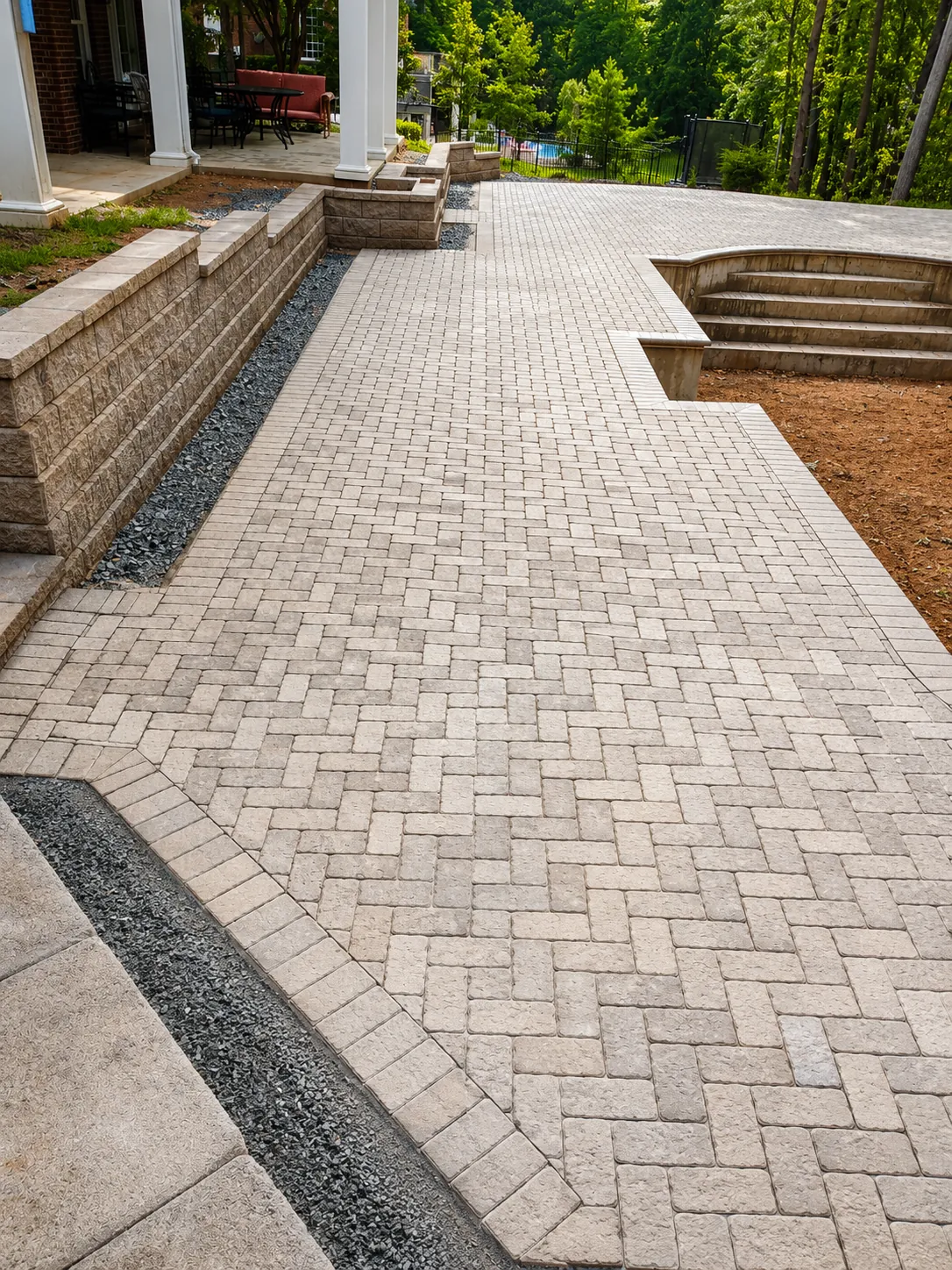
Can Patios Increase Home Value in Upstate SC?
September 23, 2026
Can patios increase home value? A well-designed patio can improve buyer appeal, daily living, and resale potential for Upstate South Carolina homes alike.
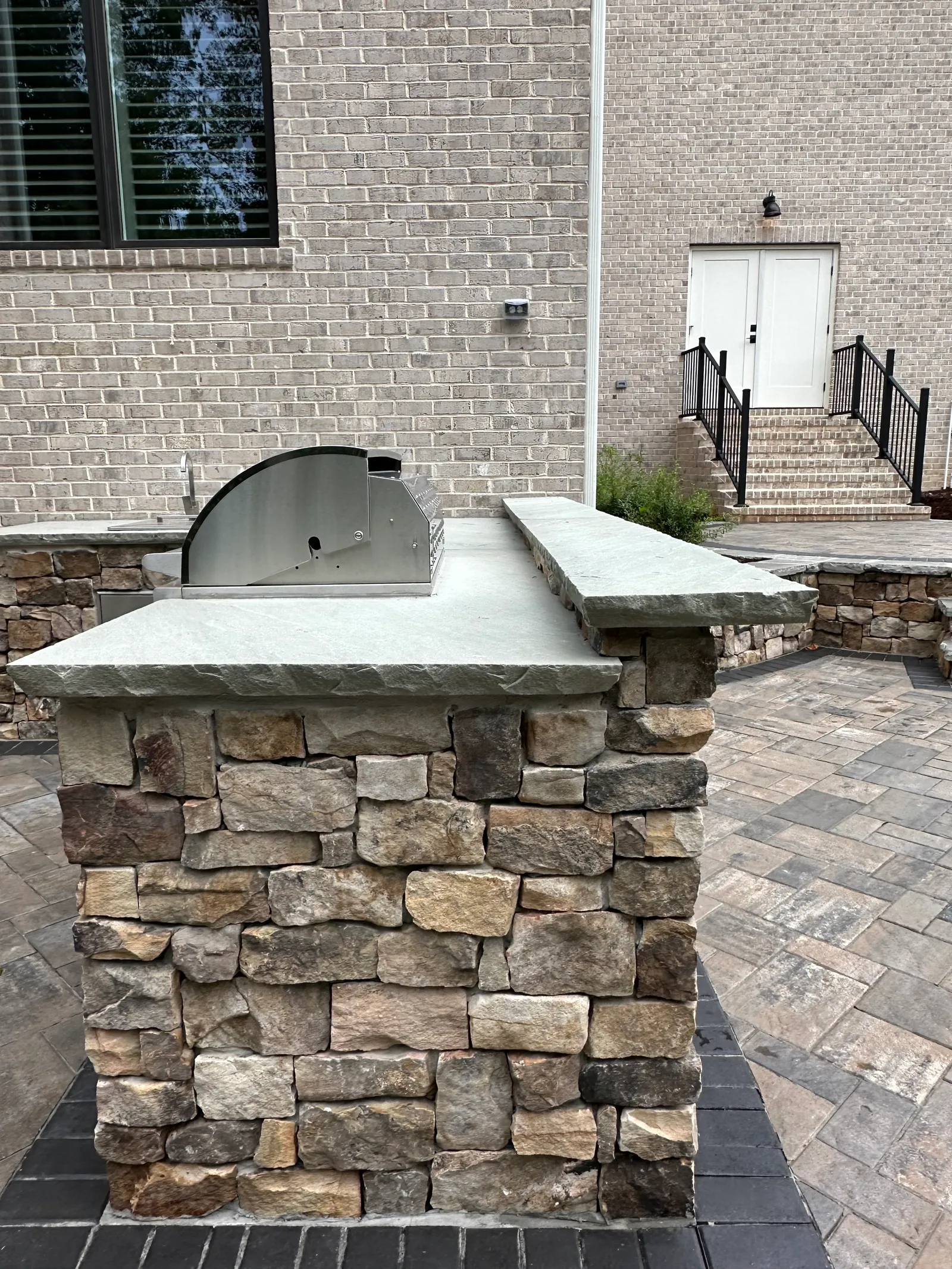
Outdoor Kitchen Planning Checklist for Upstate SC
September 19, 2026
Use this outdoor kitchen planning checklist to shape a practical Upstate SC space for cooking, gathering, and easy year-round enjoyment with your family.

12 Best Low Maintenance Landscape Ideas for Yards
September 15, 2026
See the best low maintenance landscape ideas for Upstate SC homes, from durable patios to smarter planting plans that look polished with less weekend work.
Ready to start your project?
Tell us about your space and we'll follow up to schedule a consultation.