
Materials & Cost
Best Patio Materials for Heat in Upstate SC
Compare the best patio materials for heat in Upstate SC, from travertine to concrete pavers, and plan a cooler, durable backyard surface for summer.
By Innova Hardscapes and Landscapes · Published September 21, 2026
A patio can look beautiful in spring and become nearly unusable by July. For homeowners comparing the best patio materials for heat, the real question is not simply which surface looks right. It is which one will stay comfortable enough for bare feet, stand up to Upstate South Carolina weather, and complement the way your family uses the yard.
That decision matters around pools, outdoor kitchens, fire features, and sunny entertaining areas. A dark, dense surface in full afternoon sun can store enough heat to make guests head back indoors. The right material, color, layout, and shade plan can turn that same space into a comfortable outdoor destination.
What Makes a Patio Surface Feel Hot?
Patio temperature is influenced by more than the material name on a sample board. Color makes a major difference. Light tan, cream, soft gray, and sandy tones generally reflect more sunlight than charcoal, black, deep red, or dark brown finishes. A pale material can still get warm in direct sun, but it usually feels far more manageable than a dark surface beside it.
Density and texture also matter. Dense stone and concrete absorb and retain heat differently, while a textured finish can feel less harsh underfoot than a polished or tightly finished surface. Exposure is equally important. A patio shaded by a roof structure, pergola, mature tree canopy, or strategically placed landscaping will perform differently than one that receives eight hours of unobstructed summer sun.
In Upstate SC, humidity adds another consideration. Homeowners want a surface that is comfortable in heat but also offers reliable traction after an afternoon storm or a splash from the pool. The best choice balances heat, slip resistance, drainage, maintenance, and the visual character of the home.
Best Patio Materials for Heat and Bare Feet
Travertine: A Standout for Sunny Pool Areas
Travertine is often one of the strongest choices for hot, sunny patios and pool decks. This natural stone has a lighter, more porous structure than many dense stones, helping it stay comparatively comfortable underfoot. Its natural voids and texture also create a slip-resistant surface when properly finished and installed.
Light ivory, beige, and silver travertine work especially well in open backyards where the patio receives consistent sun. It brings an elevated, resort-like appearance to pool areas and outdoor living spaces without looking overly formal. For homes in Greer, Simpsonville, or Travelers Rest with sloped lots or generous backyard views, travertine can create a refined transition between the house, water, and landscape.
The trade-off is cost and care. Travertine is a premium material, and as a natural stone, it benefits from thoughtful sealing and occasional maintenance. Quality installation is also essential because the base, drainage, and joint details determine how well the surface performs over time.
Light-Colored Concrete Pavers: Flexible and Durable
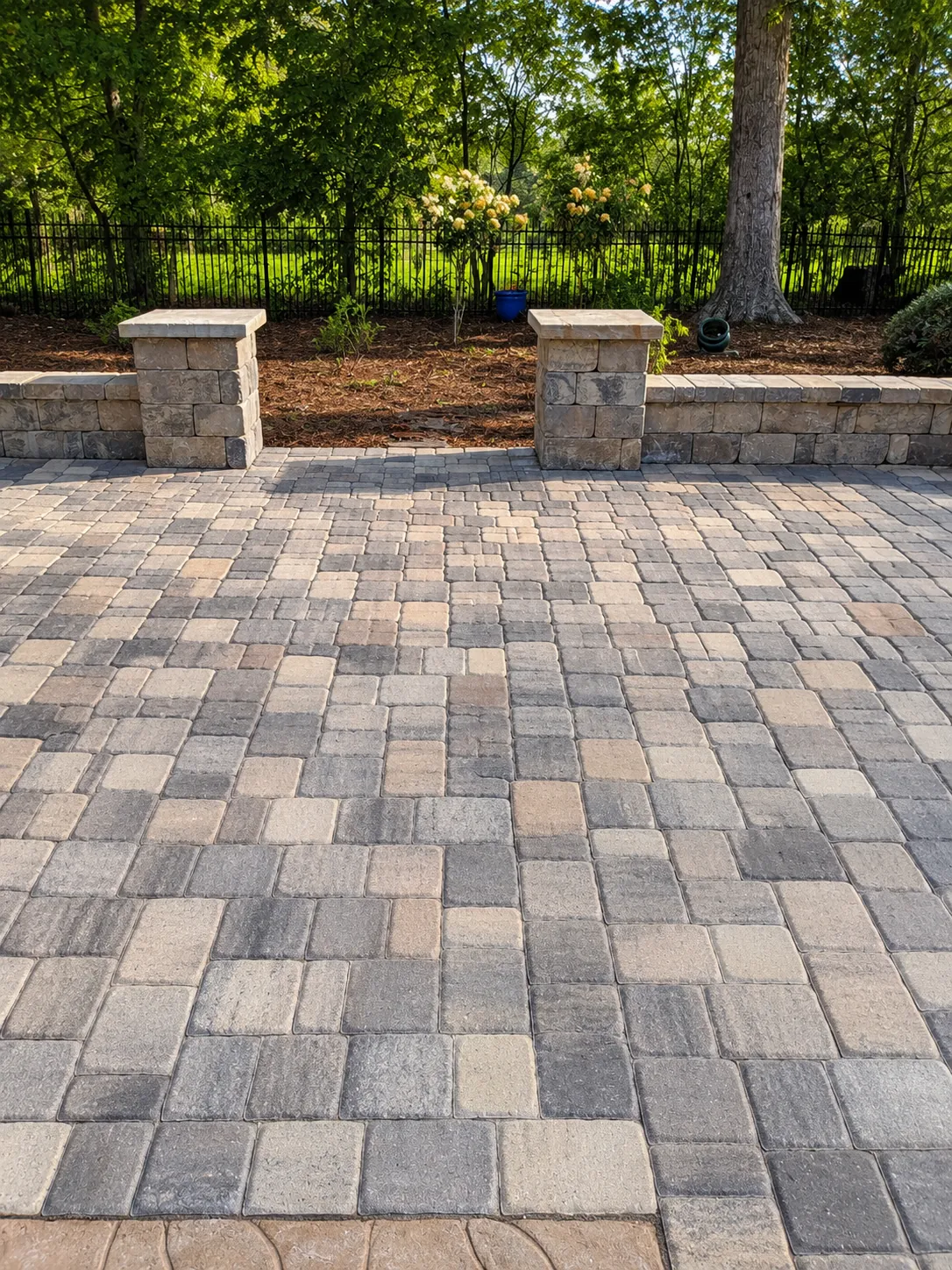
Concrete pavers are a practical, attractive option for homeowners who want strong heat performance without selecting natural stone. When installed in light colors, they are noticeably more comfortable than dark pavers or dark stamped concrete. Their individual units also make future repairs more straightforward if settlement, staining, or utility work affects part of the patio.
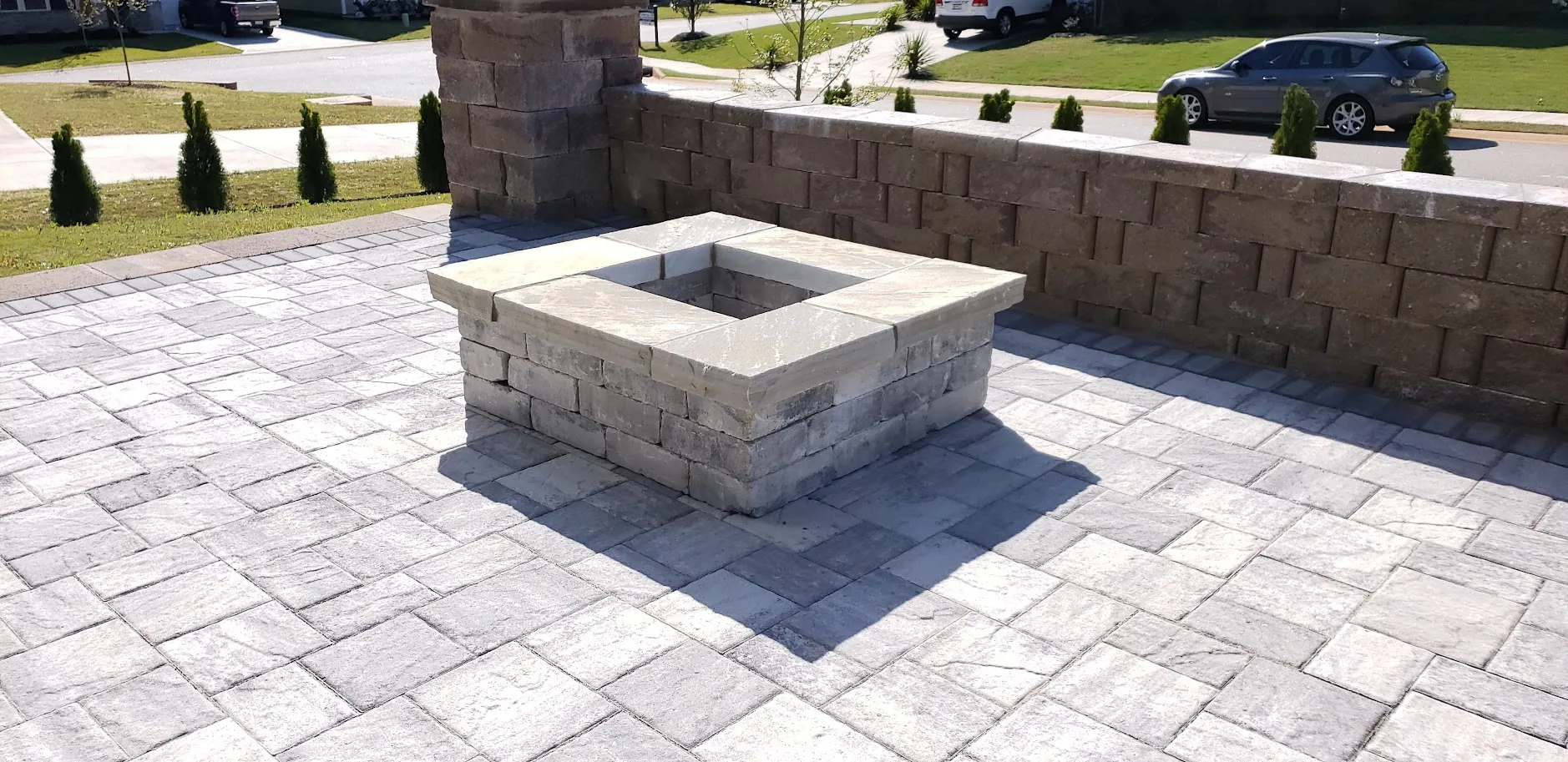
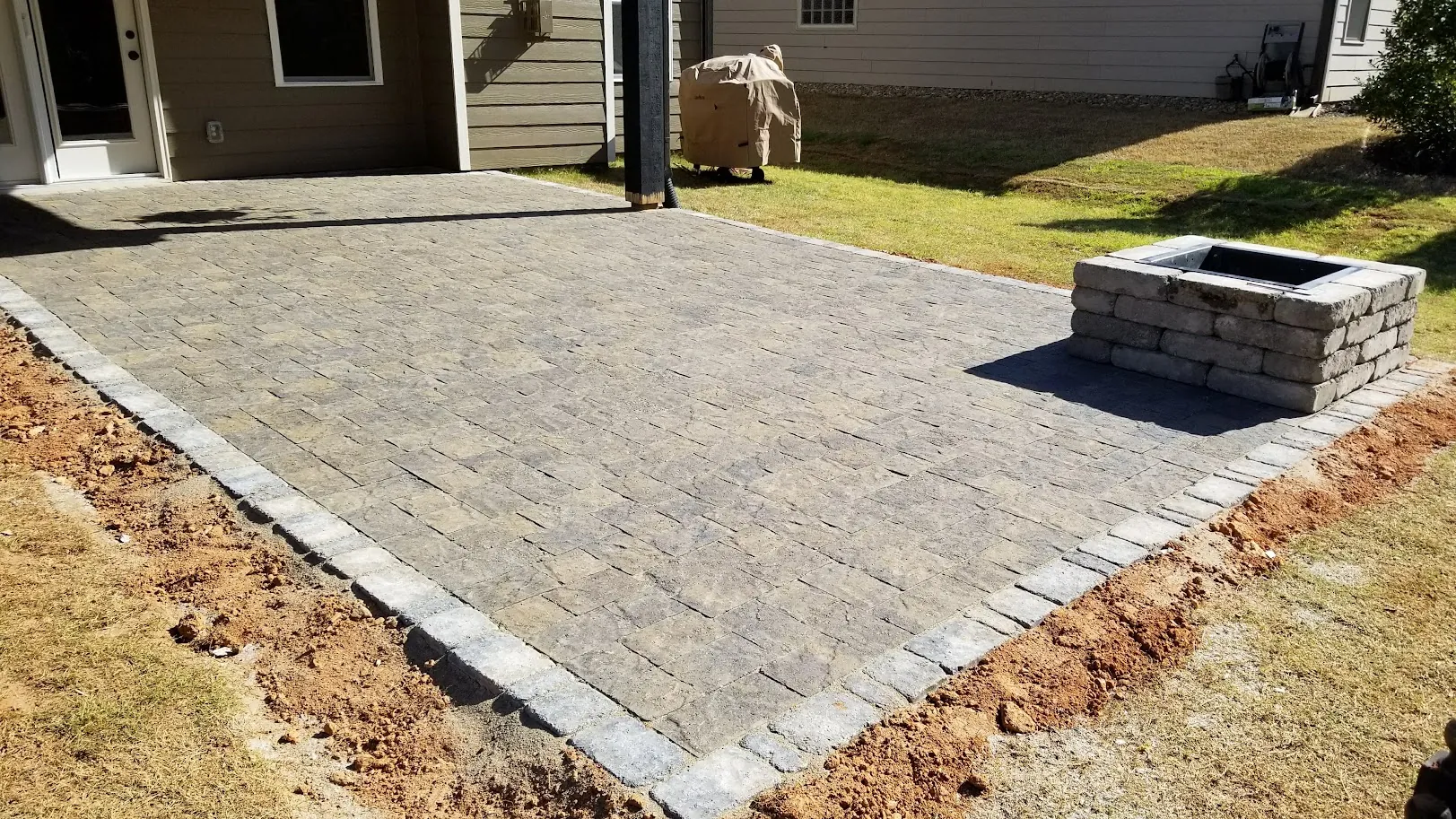
Pavers offer considerable design flexibility. A running bond pattern can feel clean and contemporary, while tumbled or textured pavers fit more traditional brick homes and garden-oriented yards. They work well for patios that need to connect several outdoor elements, such as a grilling area, firepit, walkways, and retaining walls.
Not every paver performs the same way in the sun. Avoid assuming that a product is cool simply because it is a paver. Ask to see the actual color and finish outdoors, preferably in direct sunlight. A pale concrete paver with a textured face is usually a better choice for heat than a smooth, dark charcoal option.
Porcelain Pavers: Low Maintenance With a Modern Look
Outdoor-rated porcelain pavers are another strong contender for hot-weather patios, particularly for homeowners drawn to crisp lines and contemporary finishes. High-quality porcelain is dense, resists fading and staining, and does not require the same sealing routine as many natural stones. Many products are available in pale stone-look colors that reflect heat well.
Porcelain can be an excellent selection for a covered patio, outdoor kitchen, or modern pool surround. It offers consistent color and a polished appearance, while textured outdoor finishes provide needed grip. It is also well suited to homes where food, drinks, and frequent entertaining make easy cleanup a priority.
Installation needs careful planning. Porcelain is less forgiving during cutting and setting than conventional concrete pavers, and the substrate must be properly prepared. It can also feel warmer than travertine in intense direct sun, so color selection and shade remain important.
Flagstone: Natural Character With Some Variation
Flagstone gives a patio an organic, established appearance that pairs naturally with lawns, planting beds, and woodland-style properties. It is especially appealing for homeowners who want their hardscape to feel connected to the surrounding landscape rather than sharply separate from it.
For heat, lighter varieties are the better choice. Buff, cream, and light gray flagstone will generally be more comfortable than dark blue-gray or deep brown stone. A natural cleft finish provides texture and visual depth, though the irregular surface may not suit every furniture arrangement or accessibility need.
Flagstone varies by type, thickness, density, and finish, so it should not be treated as one uniform product. Some stones can absorb water or develop surface changes over time if they are not selected and installed appropriately for the setting. A professional plan should account for drainage, joint material, and how the patio will connect to the home and surrounding grade.
Brushed Concrete: Budget-Conscious and Dependable
A properly installed concrete patio remains a dependable choice for many Upstate South Carolina homes. It is cost-effective, durable, and well suited to larger spaces where a stone or paver surface would stretch the budget. A light integral color and broom or brushed finish can improve both heat comfort and traction.
Concrete has limitations in a hot backyard. It can retain substantial heat, especially when finished in darker colors or placed in full western exposure. Decorative stamped concrete can also become slick when wet and may require periodic resealing. If concrete is the right fit for the project, keeping the color light and avoiding overly smooth finishes makes a meaningful difference.
Concrete also needs correct joint placement and base preparation. Cracks can occur as the slab moves, and while some minor cracking is common, careful construction helps the patio age more gracefully.
Materials That Often Run Too Hot
Dark concrete pavers, black slate, dark brick, and deeply colored stamped concrete can be visually striking, but they are usually poor choices for uncovered areas used barefoot. This is especially true around pools and south- or west-facing patios. The issue is not that these materials are inherently low quality. They simply absorb more solar heat than lighter alternatives.
Dark materials can still work well in shaded courtyards, covered outdoor kitchen zones, or as borders around a lighter central patio. Using them selectively gives a design contrast without making the primary walking surface uncomfortable.
Design Choices That Make Any Patio Cooler
The patio material is only part of the solution. A thoughtful outdoor plan can reduce heat across the entire living area. Shade structures are particularly valuable in Upstate summers. A covered roof, pergola with a canopy, or carefully positioned shade tree can protect the spaces where people actually sit and eat.
Planting beds also help soften reflected heat. Trees, ornamental grasses, shrubs, and layered garden areas break up large expanses of hardscape while giving the yard a more finished appearance. Near a pool or patio, the goal is to create shade without introducing excessive debris or blocking airflow.
Drainage deserves the same attention. A cooler surface is not useful if water collects after rain or pool use. Proper grading, a stable base, and drainage details help protect the patio while keeping walkways safer and cleaner.
Choosing the Right Surface for Your Property
Travertine is often the leading choice for a high-end pool deck where bare-foot comfort is a top priority. Light-colored concrete pavers offer a durable, versatile middle ground for patios, firepit areas, and entertaining spaces. Porcelain pavers fit low-maintenance, modern designs, while flagstone brings natural warmth to landscaped backyards. Light brushed concrete remains a sensible choice when coverage area and budget are the primary concerns.
The best answer depends on sunlight, budget, architecture, intended use, and the condition of the existing yard. A patio in Mauldin with heavy afternoon sun needs a different approach than a shaded entertaining area in Easley. Seeing material samples in the actual project location is one of the most useful steps a homeowner can take.
A well-planned patio should invite people outside at the height of summer, not send them indoors after a few uncomfortable steps. By pairing a heat-conscious surface with smart shade, drainage, and landscape design, your backyard can become the polished, comfortable gathering place it was meant to be.
Related Services
Patios
Durable, precisely-laid patios built on a proper base — the difference shows up years later, not on day one.
Drainage Solutions
Solves standing water and erosion issues before they damage anything else on the property.
Outdoor Fireplaces
A real gathering point for the yard, built to handle regular use.
Related Articles
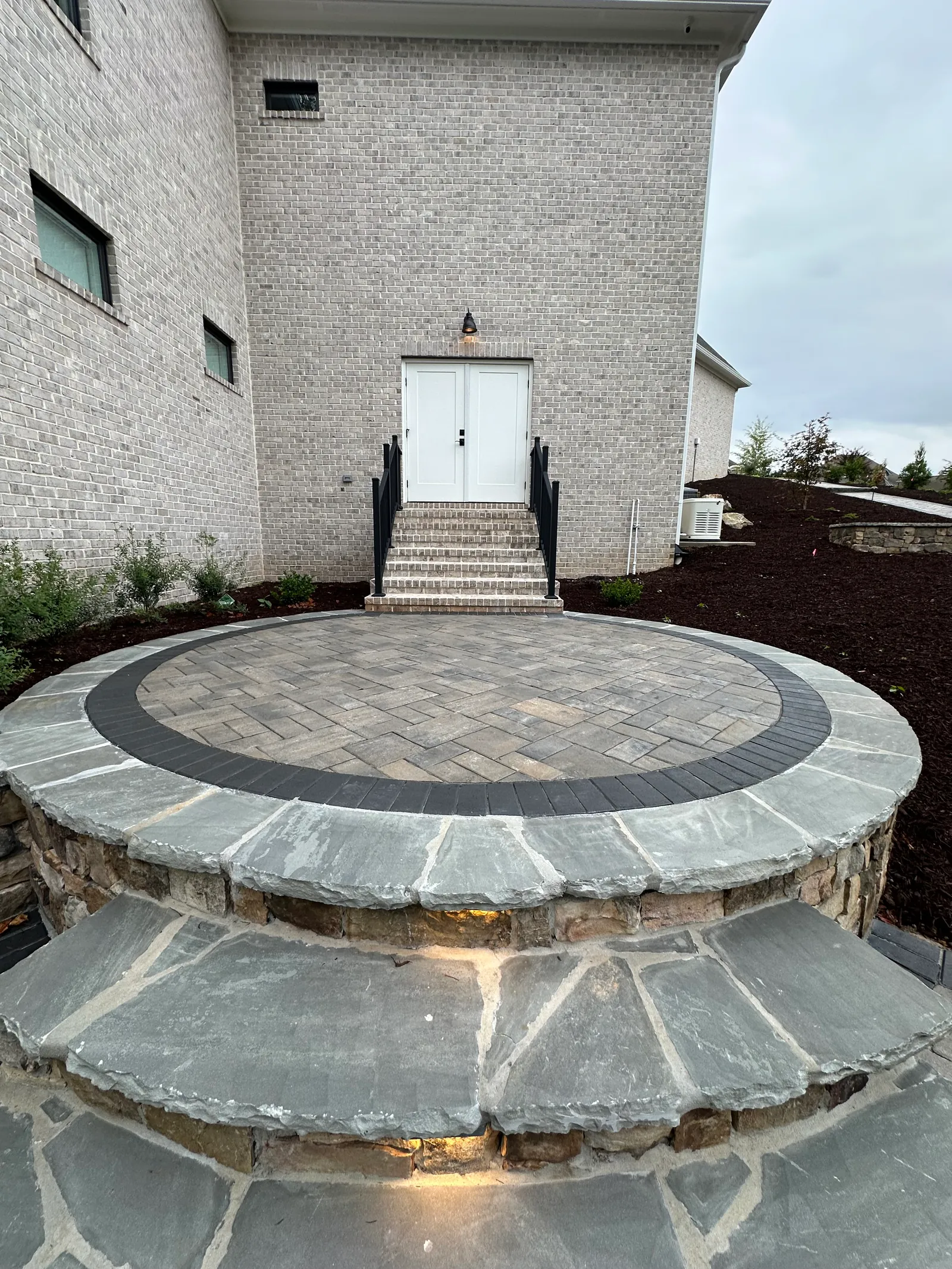
What Does Patio Installation Cost in Upstate SC?
August 30, 2026
What does patio installation cost in Upstate SC? See how materials, size, grading, access, and features affect the budget for a well lasting outdoor space.
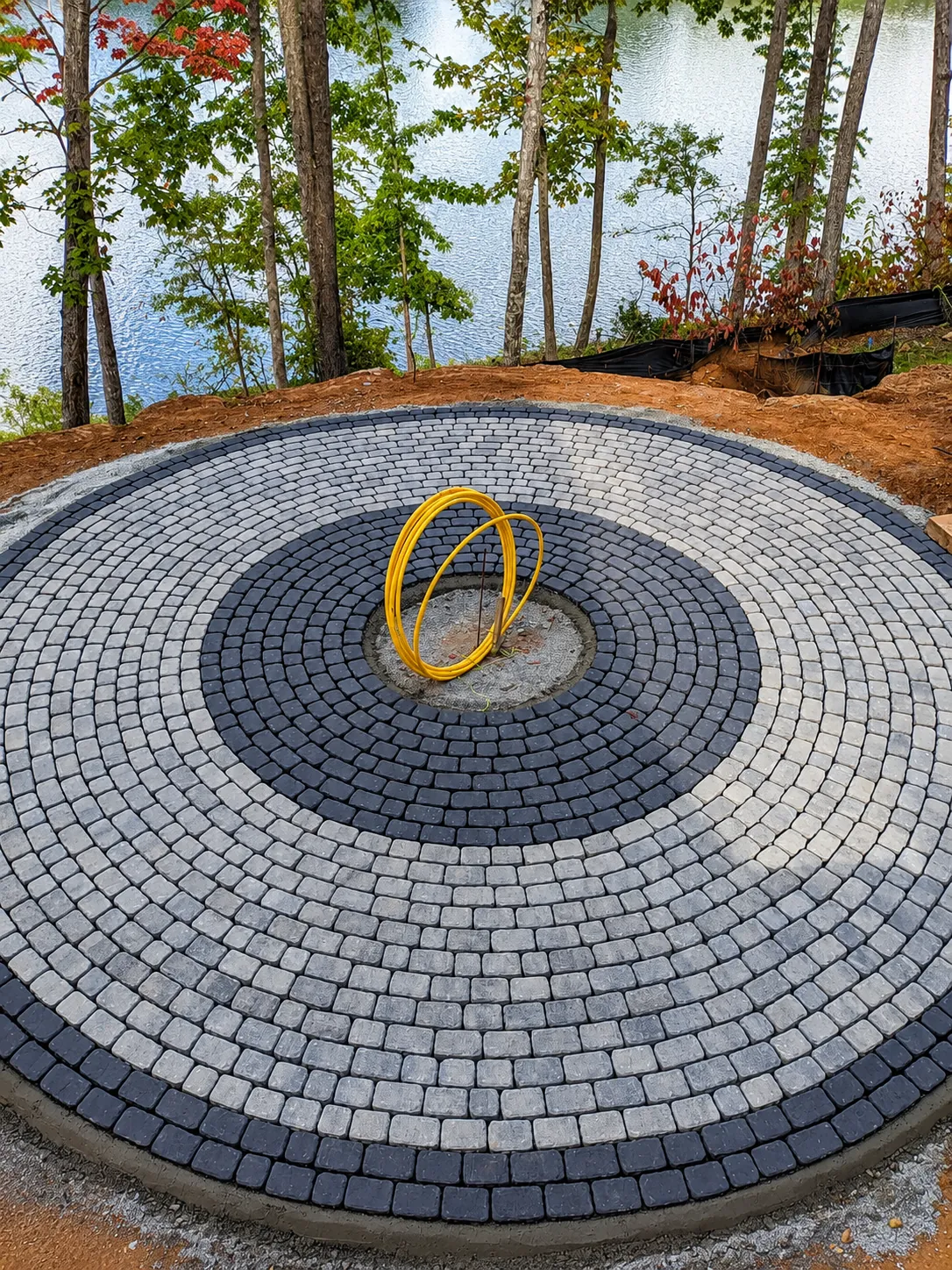
Patio Material Selection for Upstate SC Yards
September 5, 2026
Make patio material selection easier with clear guidance on pavers, concrete, stone, and porcelain for beautiful, durable Upstate South Carolina yards.
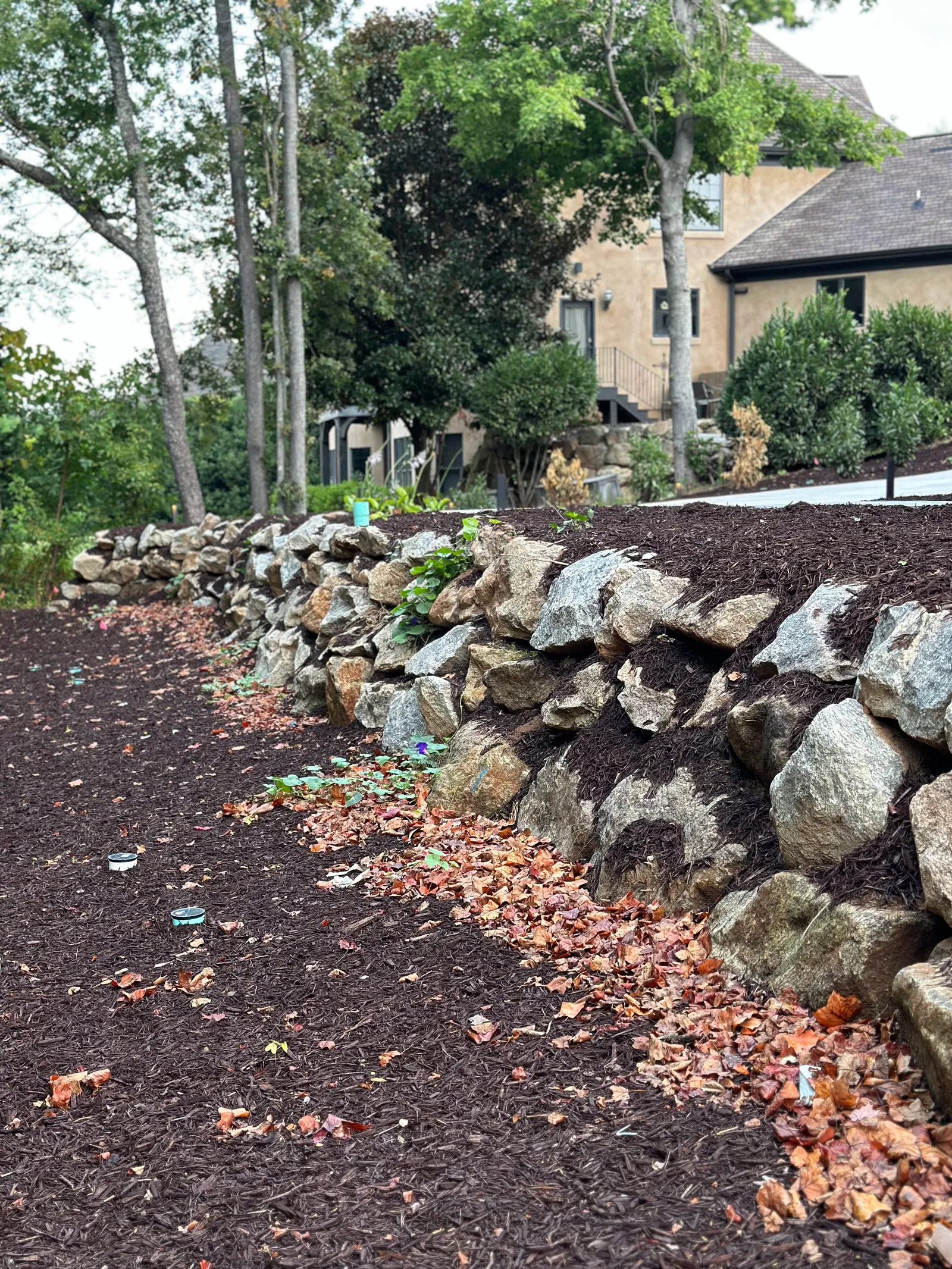
12 Best Low Maintenance Landscape Ideas for Yards
September 15, 2026
See the best low maintenance landscape ideas for Upstate SC homes, from durable patios to smarter planting plans that look polished with less weekend work.
Ready to start your project?
Tell us about your space and we'll follow up to schedule a consultation.