
Design Tips
12 Best Low Maintenance Landscape Ideas for Yards
See the best low maintenance landscape ideas for Upstate SC homes, from durable patios to smarter planting plans that look polished with less weekend work.
By Innova Hardscapes and Landscapes · Published September 15, 2026
A beautiful yard should not demand every free Saturday. The best low maintenance landscape ideas replace high-effort lawn and plantings with durable surfaces, well-chosen greenery, and a layout that works with your property instead of fighting it. For homeowners in Upstate South Carolina, that means planning for summer heat, red clay, humidity, heavy rain, and the occasional hard freeze - all while creating an outdoor space that still feels inviting.
Low maintenance is not the same as maintenance-free. Every outdoor space needs some seasonal attention. The goal is to reduce mowing, watering, weeding, pruning, and repairs so your yard remains polished without becoming another full-time responsibility.
Start With a Landscape Plan That Reduces Work
The lowest-maintenance yards are planned as complete environments, not assembled one plant or project at a time. A thoughtful design considers drainage, sun exposure, existing grades, how your family uses the space, and where maintenance tends to pile up.
For example, a narrow strip of turf between a fence and a planting bed may be difficult to mow and easy to neglect. Replacing it with a mulched bed, groundcover, or a clean hardscape edge can make the area look intentional while eliminating an awkward chore. Likewise, placing a patio where your yard naturally drains well is more practical than forcing one into a wet, low-lying corner.
In Greenville, Greer, Simpsonville, and other Upstate SC communities, soil conditions can vary widely even within one property. Addressing grading and drainage before installation protects patios, plant beds, and turf from erosion and standing water later.
1. Build a Patio That Becomes the Center of the Yard
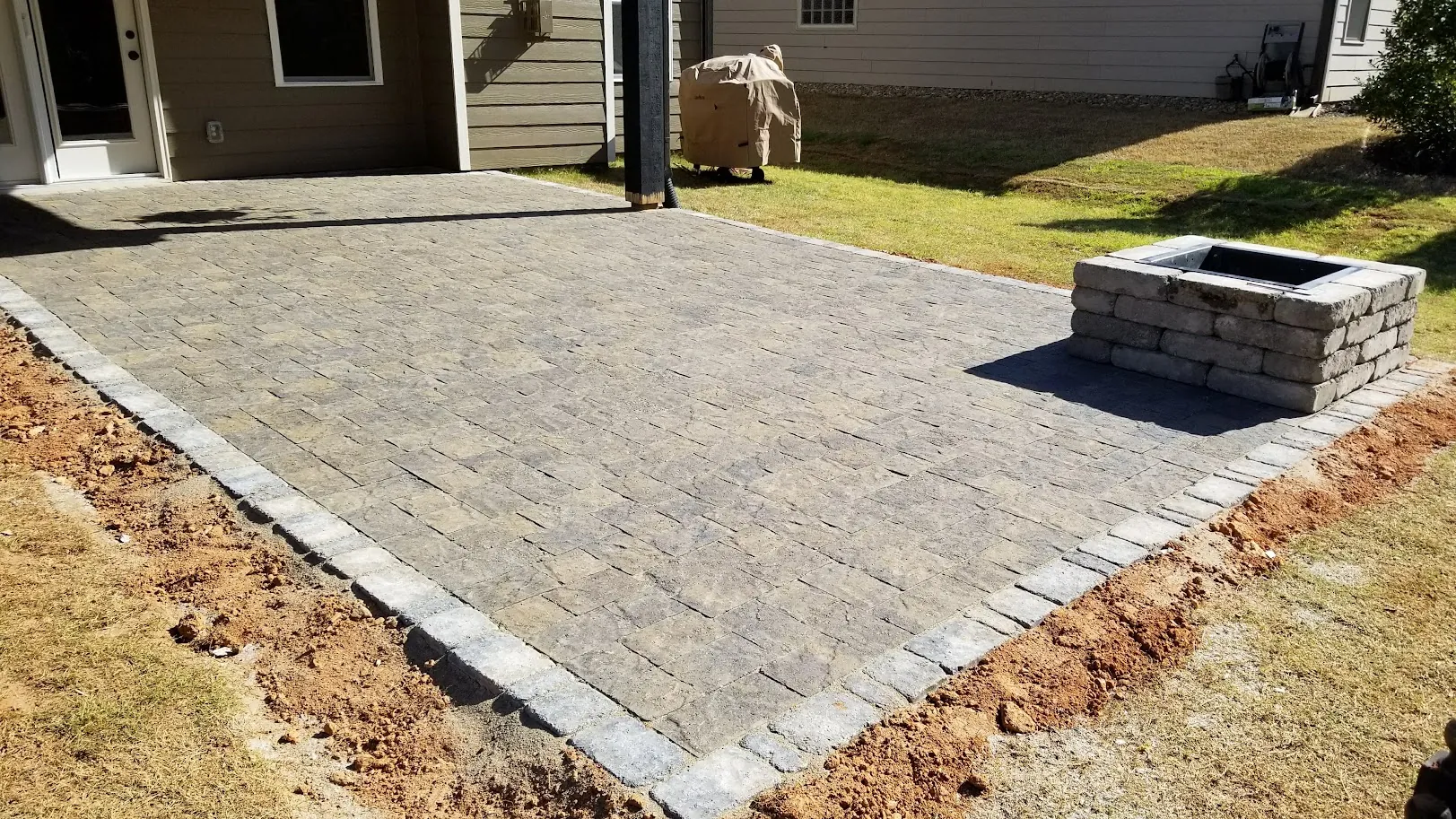
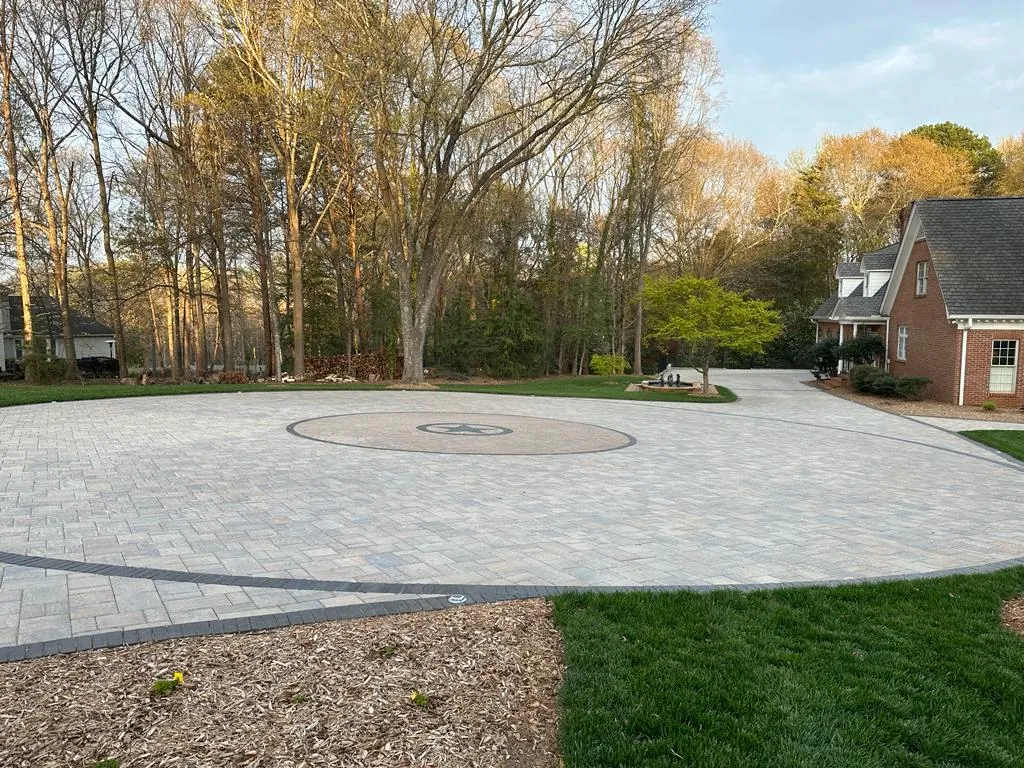
A paver or concrete patio is one of the strongest low-maintenance investments a homeowner can make. It creates a usable destination for dining, relaxing, and entertaining without requiring irrigation, mowing, or constant seasonal replacement.
Pavers offer a tailored look and can be arranged to complement traditional, modern, or rustic homes. They also allow for repairs to individual sections if settling occurs. Proper base preparation and edge restraint matter here. A well-built patio should feel solid, drain correctly, and remain clean-lined through years of use.
A larger patio can also reduce the amount of lawn that needs weekly attention. The trade-off is heat: hardscape absorbs sun, especially in open backyards. Shade from a pergola, a strategically placed tree, or a covered seating area can make the space more comfortable in July and August.
2. Replace Problem Lawn Areas With Artificial Turf
Artificial turf is especially effective in areas where natural grass struggles: shaded side yards, muddy paths near gates, pet runs, and small spaces around a pool or patio. It provides a consistently green surface without mowing, fertilizing, or reseeding.
It is not the right answer for every lawn. Large natural turf areas can still be valuable for children, pets, and cooling the landscape. But using artificial turf selectively can solve the spots that repeatedly turn thin, muddy, or worn out. Quality installation includes a stable base and drainage planning, which are essential in the Upstate’s frequent rain.
3. Use Native-Adapted and Drought-Tolerant Plantings
The easiest plants are those suited to local conditions. Native and adapted plantings generally handle regional rainfall, summer temperatures, and soil more reliably than species that require constant amendments or watering to survive.
Evergreen shrubs provide structure year-round, while ornamental grasses, coneflowers, black-eyed Susans, salvia, liriope, and daylilies can add seasonal color with modest care. The exact plant palette depends on whether your yard receives full sun, filtered light, or deep shade.
Avoid filling every bed with plants that mature quickly and need frequent shearing. A slightly more open design with plants spaced for their mature size looks cleaner over time. It also improves air movement, which can help reduce disease pressure in humid conditions.
4. Choose Mulch or Stone for Clear, Manageable Beds
A properly defined bed is easier to weed, edge, and refresh than a loose collection of plants meeting the lawn. Mulch helps retain moisture, moderates soil temperature, and gives planting areas a finished appearance. It does need occasional replenishment, but it is often the better option around shrubs and perennials because it improves the soil as it breaks down.
Decorative gravel or river rock can be a long-lasting alternative in dry, sunny areas and around architectural features. However, stone is not automatically maintenance-free. Leaves can collect in it, weeds can emerge if the base is not prepared correctly, and removing rock later is labor-intensive. Use it where its clean, permanent look suits the site rather than covering every planting bed with it.
5. Add Strong Edging to Keep Materials in Place
Crisp edges make a landscape look cared for even when the plantings are intentionally simple. Steel, aluminum, brick, stone, or concrete edging separates turf from mulch and helps prevent materials from migrating into each other.
This small detail reduces recurring cleanup. It also gives curved beds, walkways, and patios a more deliberate shape. Brick edging can tie into an existing driveway or paver patio, while metal edging creates a nearly invisible, contemporary line.
6. Install a Simple Gravel Path or Stepping-Stone Route
Traffic patterns reveal themselves quickly. If people regularly cut across a lawn to reach a gate, firepit, garden, or pool area, that route will eventually become compacted and bare. A gravel path or stepping-stone walkway turns that worn shortcut into a practical design feature.
Paths reduce mud carried into the house and protect grass from repeated foot traffic. For a more refined result, use a solid border and a properly compacted base. Loose gravel without containment can spread into beds and lawn edges, creating more maintenance than expected.
7. Create a Firepit Area With Durable Materials
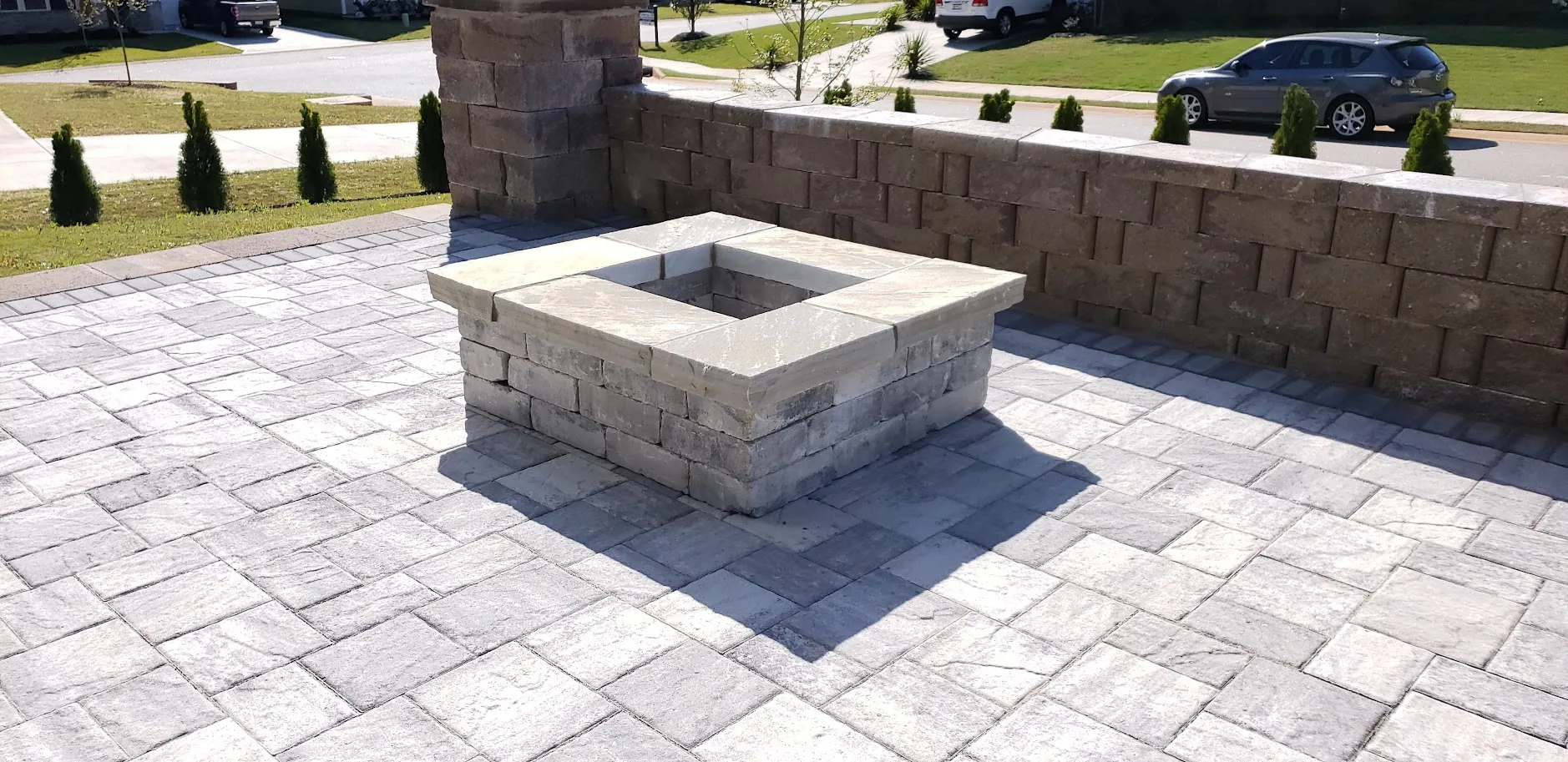
A firepit turns an underused backyard corner into a destination that works through much of the year. Pavers, flagstone, gravel, or a small concrete pad provide a stable, low-maintenance surface for seating and reduce the need to maintain grass in an area that sees concentrated foot traffic.
Keep the layout proportional to the yard. A large fire feature can overwhelm a compact lot in Mauldin or Taylors, while a modest circular seating area may be all that is needed. Location should also account for safety, smoke direction, privacy, and access from the home.
8. Group Plants by Water and Care Needs
A landscape becomes harder to manage when thirsty plants are mixed with drought-tolerant ones. Grouping plants with similar sun, water, and pruning needs makes irrigation and seasonal care much simpler.
This approach also prevents a common mistake: overwatering the plants that can tolerate dry conditions in order to keep one moisture-loving plant happy. When possible, reserve higher-care flowers for a focal point near the entry, patio, or front walk, where their color delivers the most visual return.
9. Use Drip Irrigation Where Watering Matters Most
Drip irrigation sends water slowly to plant roots instead of spraying it across sidewalks, mulch, and foliage. It can reduce water waste and make new plantings easier to establish during hot, dry stretches.
It is most useful in foundation beds, vegetable gardens, containers, and areas with more specialized plant material. Established native-adapted plants may need little supplemental irrigation after they root in. A system should be designed around actual landscape needs, not installed as a substitute for smart plant selection.
10. Limit Lawn to Areas That Earn Their Keep
A healthy lawn has value. It offers open space for play, softens the look of hardscape, and gives the eye a place to rest. But extensive turf can be the most demanding element in a residential landscape, especially on slopes, in heavy shade, or around tight obstacles.
Keep grass where it is useful and easy to maintain. Convert difficult corners and steep banks into planted beds, terraced areas, or hardscape features. This balanced approach preserves the familiar appeal of a lawn while reducing the portions most likely to become patchy or time-consuming.
11. Include Retaining Walls Where Slopes Create Problems
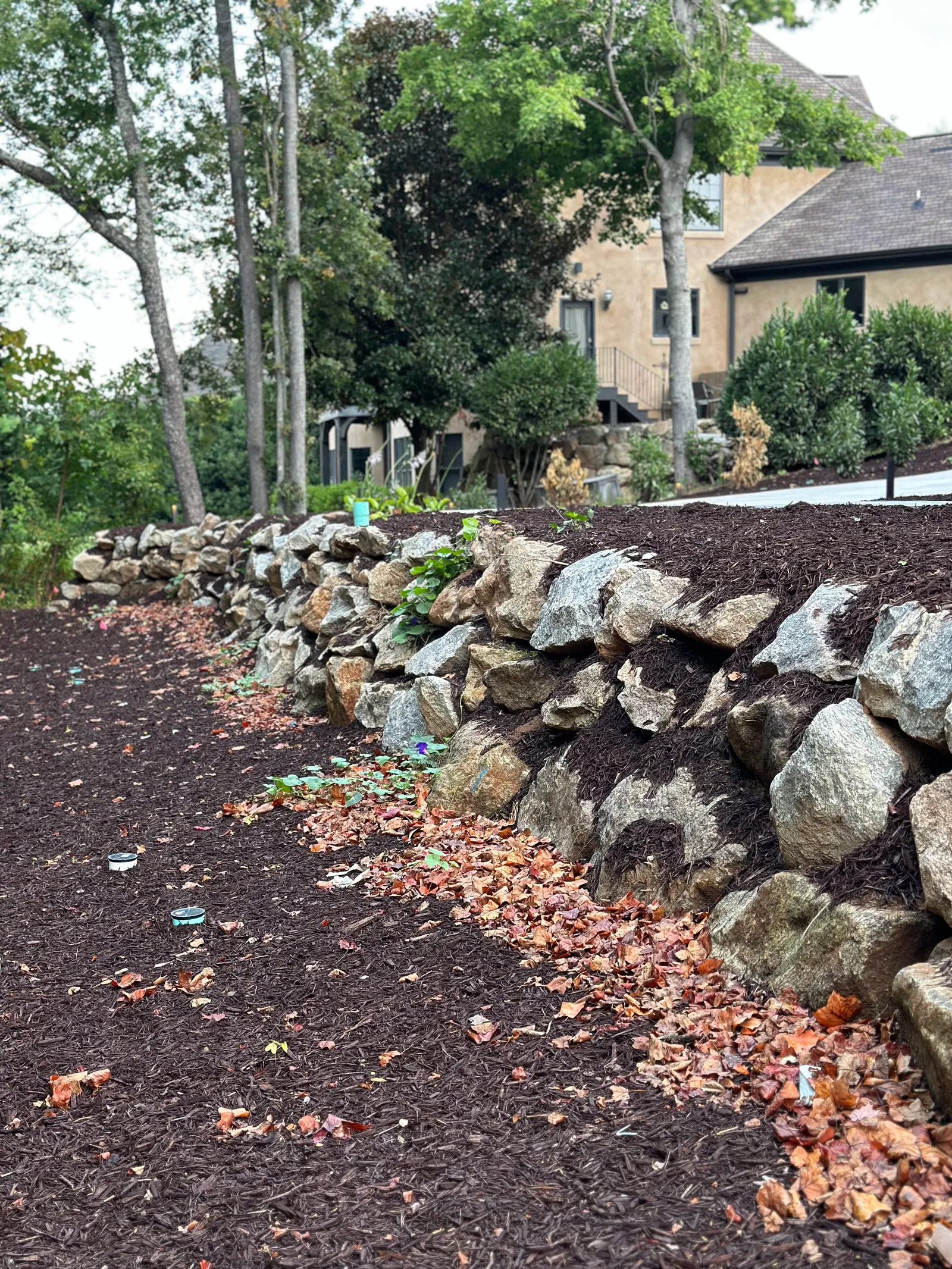
Sloped yards are common across areas such as Travelers Rest and Easley. Mowing a steep grade, controlling runoff, and keeping mulch from washing downhill can create ongoing work. A retaining wall can define usable levels, support a patio, and turn an awkward slope into a planted terrace.
This is a structural feature, not simply a decorative border. Proper drainage, base preparation, and engineering where needed are critical to long-term performance. When designed well, a wall can reduce erosion and make the entire yard safer and easier to use.
12. Design for Seasonal Cleanup, Not Just Installation Day
A landscape may look simple on the day it is installed yet become difficult to maintain if leaves, pine needles, and storm debris have nowhere to go. Consider where mature trees drop material, where water flows during heavy rain, and how easily a mower or blower can move through the space.
Choose furniture and features that can be cleaned around, avoid overly tight planting pockets, and leave access to irrigation components and drainage areas. A clean jobsite and finished landscape are important, but lasting convenience comes from these behind-the-scenes decisions.
The right low-maintenance landscape does more than reduce chores. It gives you a yard that is ready for a quiet evening, a family gathering, or an impromptu visit without a long weekend of catch-up work. A skilled design and build team can help you choose the mix of greenery, patios, walkways, and structural features that fits your home, budget, and the way you want to live outdoors.
Related Services
Drainage Solutions
Solves standing water and erosion issues before they damage anything else on the property.
Patios
Durable, precisely-laid patios built on a proper base — the difference shows up years later, not on day one.
Outdoor Fireplaces
A real gathering point for the yard, built to handle regular use.
Related Articles
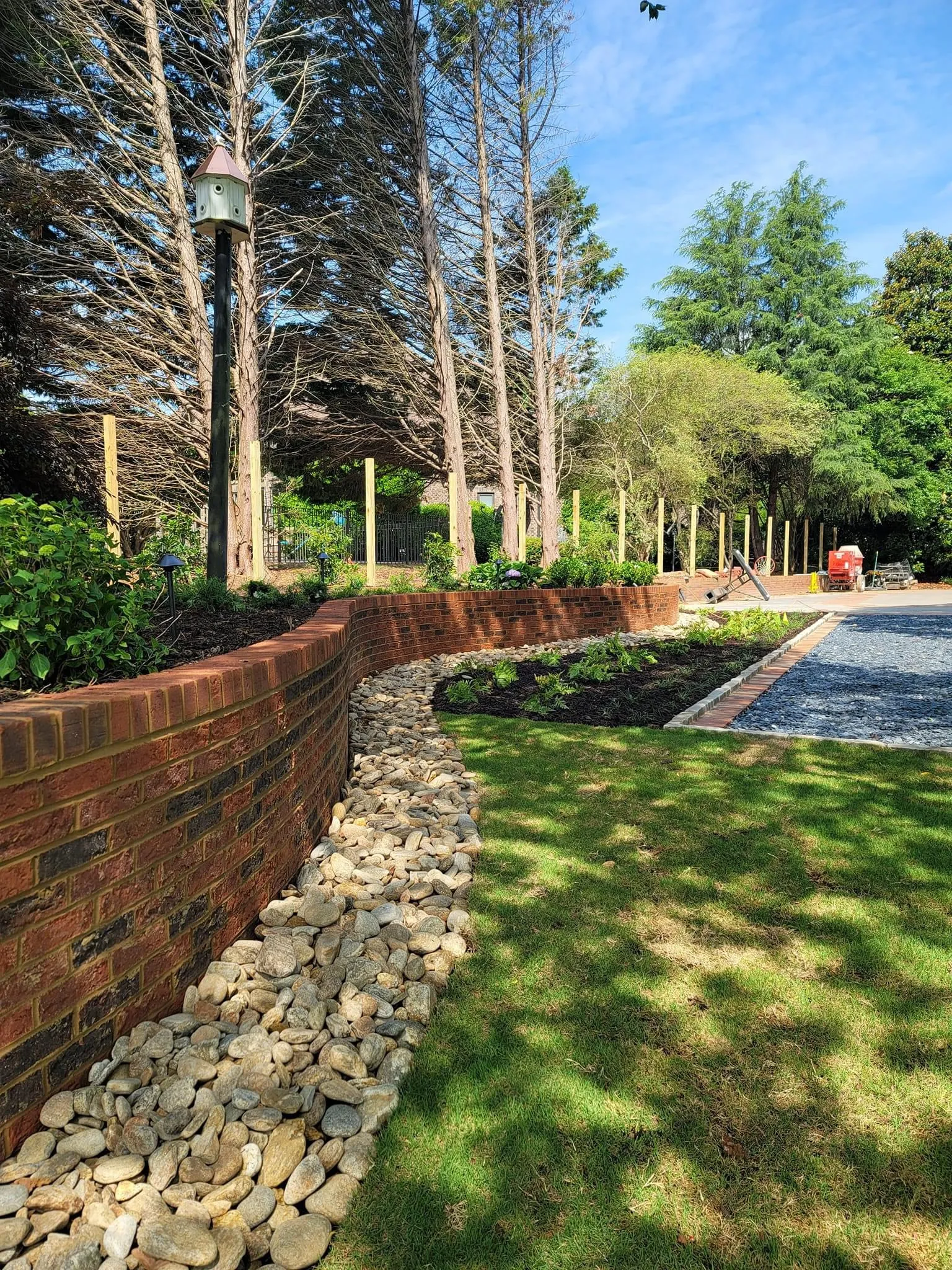
Upstate SC Landscape Renovation Guide for Yards
September 13, 2026
Use this Upstate SC landscape renovation guide to plan patios, planting, drainage, and outdoor living spaces built for lasting enjoyment at home daily.
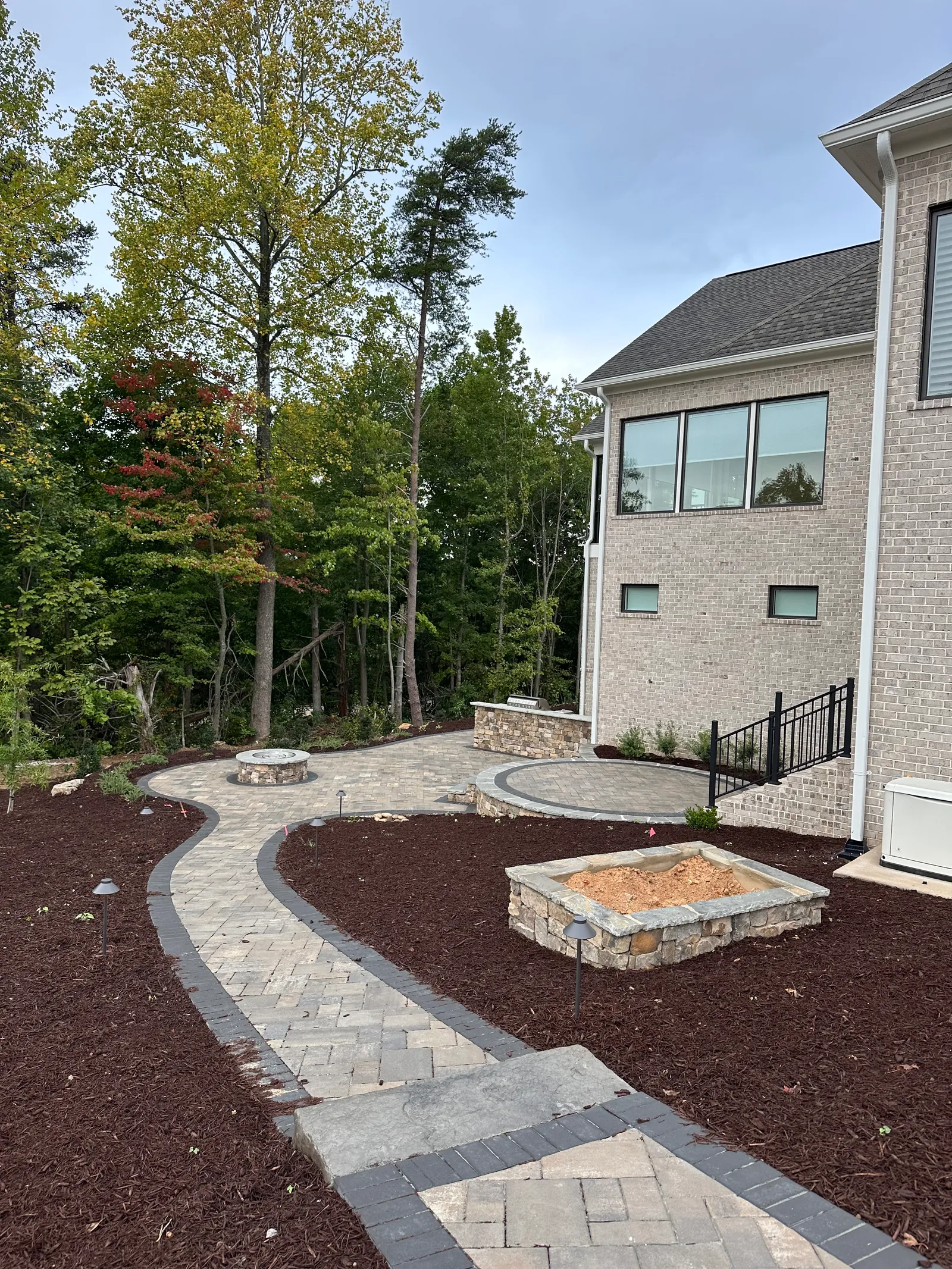
A Homeowner's Guide to Planning Outdoor Fireplaces
August 5, 2026
Plan a custom firepit installation in Greenville SC with the right location, materials, drainage, seating, and design for year-round outdoor living comfort.
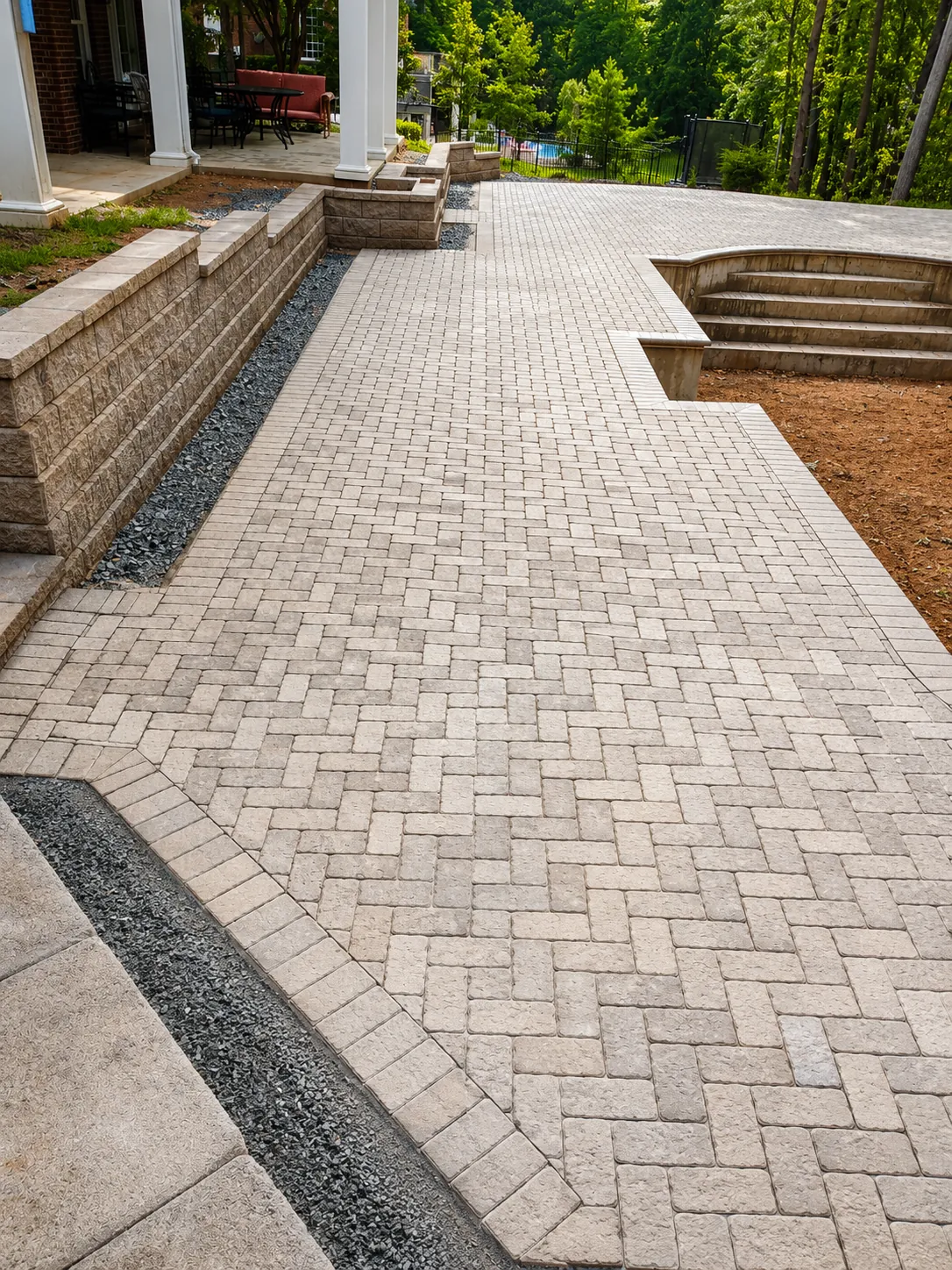
Can Patios Increase Home Value in Upstate SC?
September 23, 2026
Can patios increase home value? A well-designed patio can improve buyer appeal, daily living, and resale potential for Upstate South Carolina homes alike.
Ready to start your project?
Tell us about your space and we'll follow up to schedule a consultation.