Design Tips
Hardscape Contractor Hiring Checklist for Upstate SC
Use this hardscape contractor hiring checklist to compare experience, design, estimates, drainage planning, and crews for your Upstate SC home project.
By Innova Hardscapes and Landscapes · Published September 7, 2026
A new patio, pool deck, driveway, or outdoor kitchen should make your property easier to enjoy, not leave you managing avoidable repairs a year later. This hardscape contractor hiring checklist helps Upstate South Carolina homeowners look beyond a polished photo gallery and choose a team prepared to build for the property, the climate, and the way their family lives outdoors.
Hardscaping is permanent work. The visible pavers, stone, concrete, and walls matter, but much of a project’s long-term performance comes from what happens below the surface: excavation, grading, base preparation, drainage, and edge restraint. A thoughtful hiring process protects both your investment and your peace of mind.
Hardscape Contractor Hiring Checklist: Start With Fit
Not every qualified contractor is the right fit for every project. Begin by describing the problem you want solved, not just the feature you have seen online. Perhaps a sloped backyard in Travelers Rest needs a retaining wall and usable patio area. Maybe a Greenville pool deck is cracked and too hot underfoot, or a Simpsonville driveway needs better curb appeal and drainage control.
A good contractor should ask questions about how you use the space. Do you host large gatherings? Need a safe route from the house to a firepit? Want room for children, pets, gardens, or future pool access? Those answers influence the layout, materials, and budget far more than a single inspiration image.
Look for a contractor whose regular work aligns with your goals. A company that primarily installs lawns may not be the best choice for a detailed paver patio, masonry fireplace, or outdoor kitchen. Likewise, a contractor focused only on construction may not bring the landscape perspective needed to connect a new structure naturally to lawns, plantings, and garden beds.
Confirm Experience With Work Like Yours
Ask to see examples of completed projects that are comparable in scale and materials. If you are considering brick pavers, request paver installations. If you need a retaining wall on a grade change, ask for examples of walls with similar conditions. Photographs can show style and finish quality, while a project conversation reveals how the contractor handles planning challenges.
Experience in Upstate SC is valuable because local sites create local considerations. Our clay-heavy soils, periods of heavy rain, summer heat, and varied lot elevations can affect how a hardscape should be built. A contractor should be able to explain where water will move after a storm and how the new work will relate to existing grades, downspouts, walkways, and foundations.
Ask how long the company has been doing this type of work and who will oversee the project. More than a number of years, you want clarity about accountability. Know whether the person who discusses the design will stay involved after construction begins, and who you should contact with questions during the job.
Two Proposals, the Same Paver — Why They Can Still Perform Differently
It’s common for homeowners to compare quotes and see the same paver brand and style listed on both, then assume the projects are functionally interchangeable and default to the lower price. The paver itself is one part of a larger system. Excavation and preparation, the base material and how thoroughly it’s compacted, drainage planning, the edge restraint holding the perimeter, the finished slope, how carefully joints and cuts are laid out, and the general workmanship of the crew can all differ substantially between two contractors even when the paver product itself is identical.
This is why it’s worth asking each contractor to describe their base preparation, compaction, and drainage approach specifically, not just confirm the paver brand. A vague answer, or a scope that seems thinner than what a competing contractor describes for a similar application, is more informative than the brand name on the quote.
Review the Design Before You Review the Price
A clear design or site plan helps prevent the most common source of disappointment: a finished project that is technically complete but does not work well for the property. Your plan does not need to be overly complicated. It should, however, establish the footprint, elevations, access points, materials, major features, and relationship to the home and yard.
For example, a patio may look generous on paper but feel crowded once seating, a grill, and circulation paths are considered. An outdoor kitchen needs practical clearance around doors and appliances. A firepit needs enough distance from structures and a seating layout that feels comfortable. With driveways, pool decks, and retaining walls, changes in elevation deserve particular attention.
The strongest contractors make recommendations without pushing every project toward the same solution. Natural stone, brick pavers, concrete, and porcelain each have different visual qualities, maintenance needs, and price points. The right choice depends on the home’s style, your expected use, and the desired level of upkeep.
Ask Direct Questions About Base, Drainage, and Preparation
These details may not be the most exciting part of a backyard transformation, but they are the questions that separate surface-level estimates from sound construction planning. Ask the contractor to explain the anticipated excavation, base materials, compaction process, and drainage approach in plain language.
For a paver patio or walkway, find out how the base will be prepared, how edges will be restrained, and how the finished surface will slope away from the home. For concrete, ask about thickness, reinforcement, control joints, and how the contractor will address existing movement or unstable areas. For retaining walls, ask what drainage material and outlet system will be used behind the wall.
There is no single correct construction method for every yard. A compact patio on stable ground has different requirements than a large pool deck beside a slope. What matters is that the contractor has evaluated the site and can explain why the proposed approach fits its conditions.
Compare Written Estimates Carefully
A low number is not always a better value if it leaves major details open to interpretation. Request a written estimate that identifies the scope of work, materials, dimensions or quantities, site preparation, demolition if needed, drainage components, cleanup, and any allowances. You should also understand what is not included.
When comparing estimates, make sure you are comparing the same project. One proposal may include full demolition and base replacement, while another assumes the existing surface can remain. One may include hauling away excess soil and restoring disturbed lawn areas, while another may not. Those differences can make two prices look farther apart than they really are.
Discuss payment timing before work starts. A professional contractor can explain the deposit, progress payments if applicable, final payment, and how approved changes will be documented. Be cautious when someone demands the full project cost upfront or cannot provide a clear written scope.
Check Licensing, Insurance, and References
Before construction begins, ask the contractor for current insurance information and verify any licensing requirements that apply to your project and jurisdiction. This is especially worthwhile for work involving large structures, electrical components, gas connections, or major changes to the property.
References still matter. Ask past clients about communication, schedule management, jobsite cleanliness, problem-solving, and whether the finished work met expectations. A beautiful final photograph tells only part of the story. Homeowners in Greer, Mauldin, Easley, and surrounding communities also want to know whether crews respected the property and followed through when questions arose.
Online reviews can add useful context, but read beyond the star rating. Look for patterns in what people say about workmanship, responsiveness, transparency, and the condition of the yard after the crew leaves. One isolated complaint may have many explanations. Repeated concerns about poor communication or unfinished details deserve attention.
Set Expectations for the Construction Process
Even well-planned outdoor work can be disruptive for a short time. Equipment access, material deliveries, weather, excavation, and curing times all influence the schedule. Before choosing a contractor, ask how long the work is expected to take and what could change that timeline.
You should also discuss access to the yard, protection for existing landscaping, where materials will be staged, and how daily cleanup will be handled. If the work affects a driveway or main entrance, ask about temporary access. A professional crew will not promise that construction is mess-free, but it should have a plan to keep the site orderly and restore disturbed areas when the project is complete.
For larger projects, ask how changes will be handled if you decide to add lighting, expand a patio, or revise a material selection. Change orders are not automatically a warning sign. They are often necessary when homeowners refine a vision or unexpected site conditions appear. The key is documenting the cost and schedule impact before the extra work proceeds.
Watch for Signs That Warrant a Pause
Trust your instincts if a contractor is difficult to reach, unwilling to discuss drainage, vague about materials, or reluctant to put the scope in writing. Pressure to make an immediate decision is another reason to slow down. Quality hardscape work requires measured planning, and a contractor should give you room to understand the proposal.
Be equally cautious of promises that sound too absolute. No outdoor surface is entirely maintenance-free, and no contractor can control weather delays. Honest professionals explain reasonable expectations, including maintenance needs for pavers, joint sand, sealing, planting areas, and drainage features.
The right hardscape contractor brings more than equipment and labor. They bring a practical eye for how structure, landscape, grade, and daily life should work together. When you choose a team that listens, plans carefully, communicates clearly, and respects your property, your new outdoor space has a far better chance of becoming the distinguished, functional destination you pictured from the start.
Related Services
Hardscapes
The structural, built elements of a property — patios, driveways, walls, and walkways — planned and installed as one connected system.
Drainage Solutions
Solves standing water and erosion issues before they damage anything else on the property.
Retaining Walls
Engineered to hold grade and drain correctly, finished to complement the rest of the property.
Related Articles
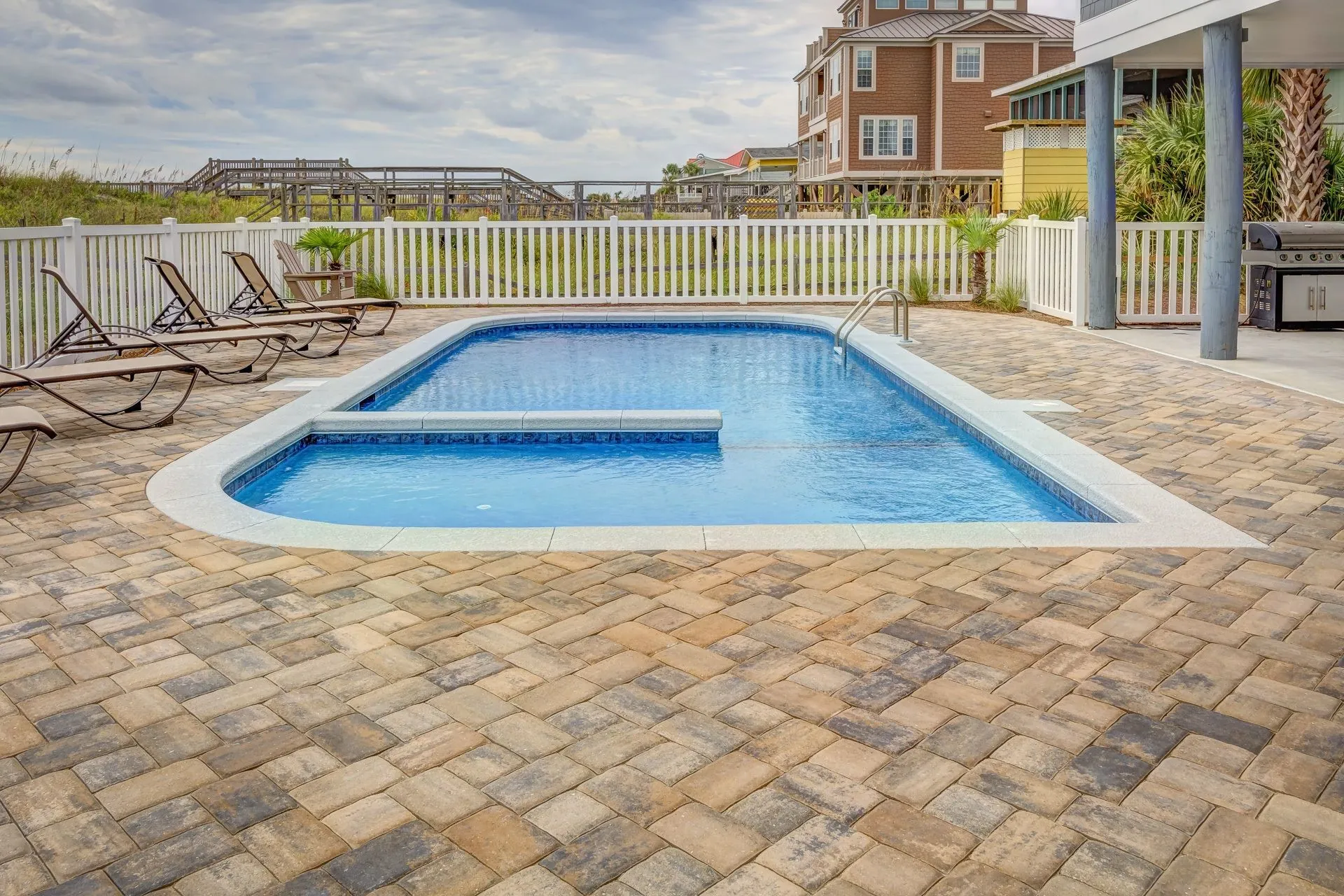
Pool Deck Design Ideas for Upstate SC Homes
August 28, 2026
Plan a pool deck design for Upstate South Carolina with materials, drainage, shade, safety, and spaces to fit how you live outdoors.
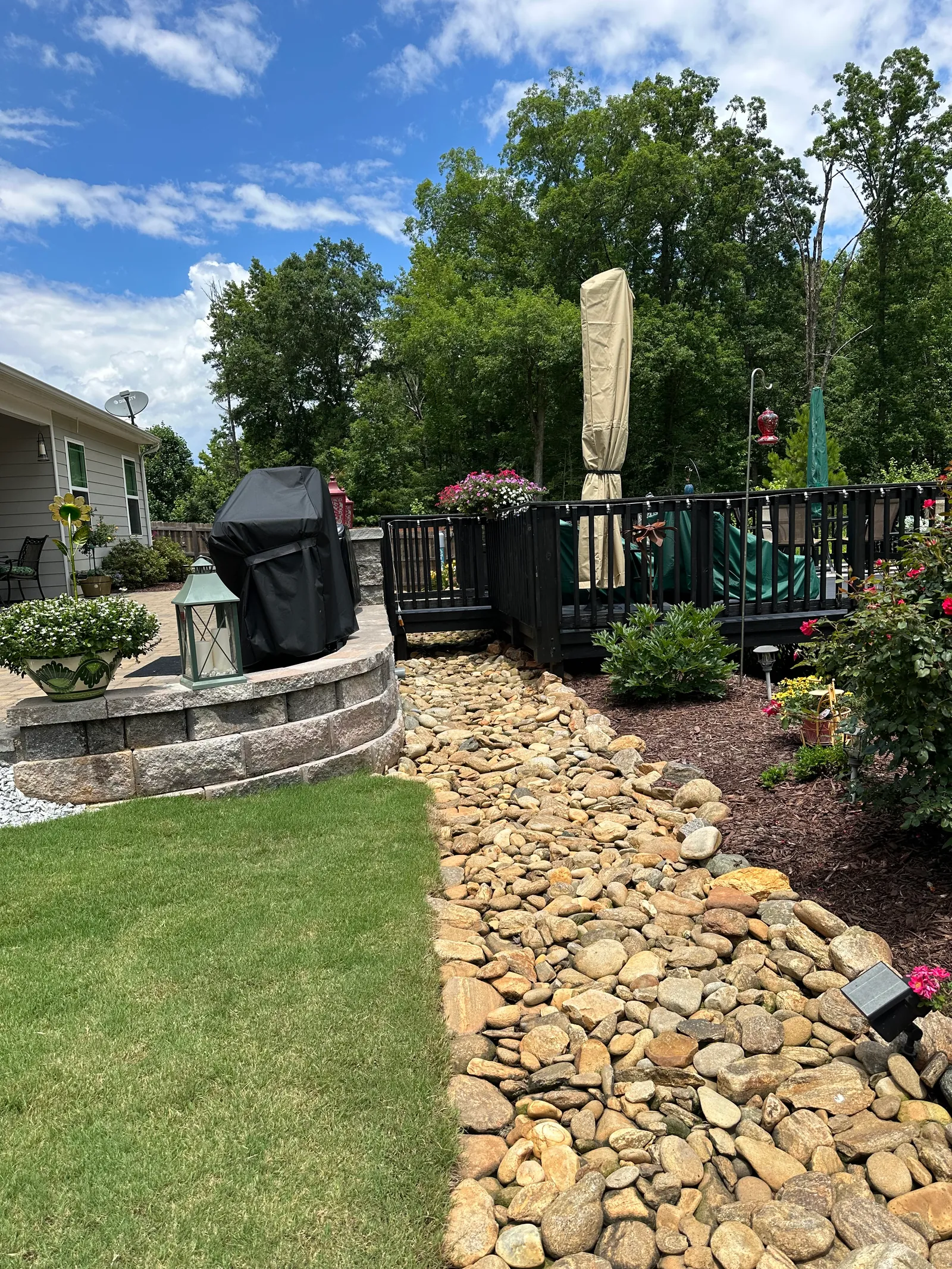
9 Backyard Drainage Problem Signs to Catch
August 24, 2026
Learn the backyard drainage problem signs that can damage lawns, patios, and foundations, plus practical steps for protecting your Upstate SC property.
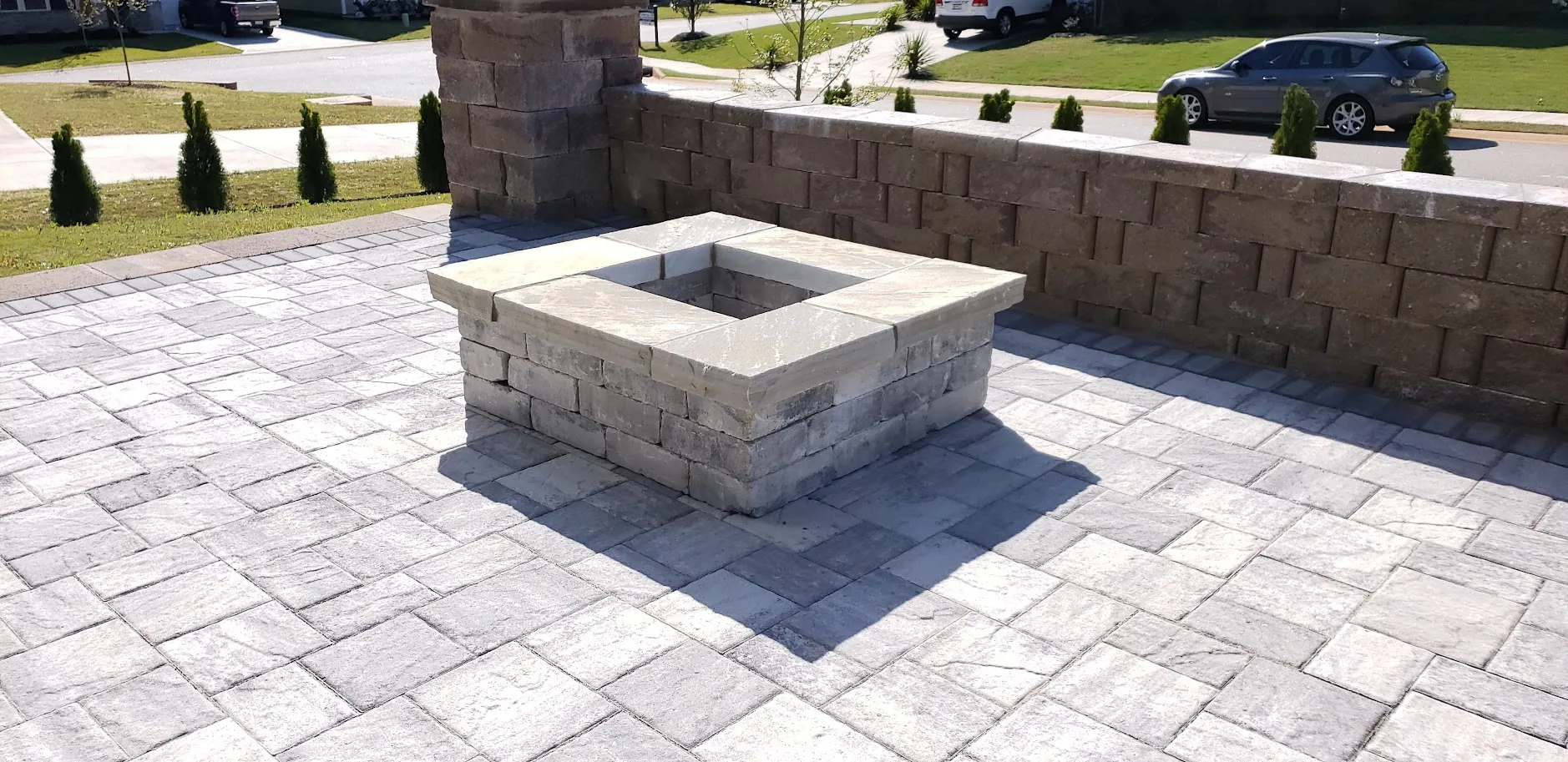
Hardscape Benefits for a Better Upstate Yard
August 22, 2026
See how hardscape benefits can improve comfort, curb appeal, drainage, and outdoor living for Upstate South Carolina homeowners planning projects at home.
Ready to start your project?
Tell us about your space and we'll follow up to schedule a consultation.