
Design Tips
Hardscape Benefits for a Better Upstate Yard
See how hardscape benefits can improve comfort, curb appeal, drainage, and outdoor living for Upstate South Carolina homeowners planning projects at home.
By Innova Hardscapes and Landscapes · Published August 22, 2026
A beautiful yard should invite you outside, not give you another item on the weekend to-do list. The most meaningful hardscape benefits come from giving your property a purpose: a patio where dinner can linger, a driveway that strengthens curb appeal, a pool deck that feels finished, or a walkway that keeps muddy shoes out of the house. For homeowners in Upstate South Carolina, thoughtfully built hardscaping turns open or underused ground into an outdoor destination that works in every season.
Hardscape refers to the constructed elements of a landscape, including paver patios, retaining walls, fire features, walkways, driveways, outdoor kitchens, and pool decks — see how we approach hardscaping for what that looks like as one connected system on an actual property. Landscaping brings softness, color, and living texture through lawns, trees, gardens, and plants. The strongest outdoor designs use both. One creates the framework; the other makes it feel like home.
Hardscape Benefits That Change How You Use Your Yard
The first benefit is usable space. A lawn may look inviting, but it does not always support the way a family wants to live outside. Chairs sink after rain, grills sit too close to the house, and a favorite corner of the yard may be inaccessible after a storm. A properly designed patio or paver area creates a stable surface for seating, dining, cooking, and gathering.
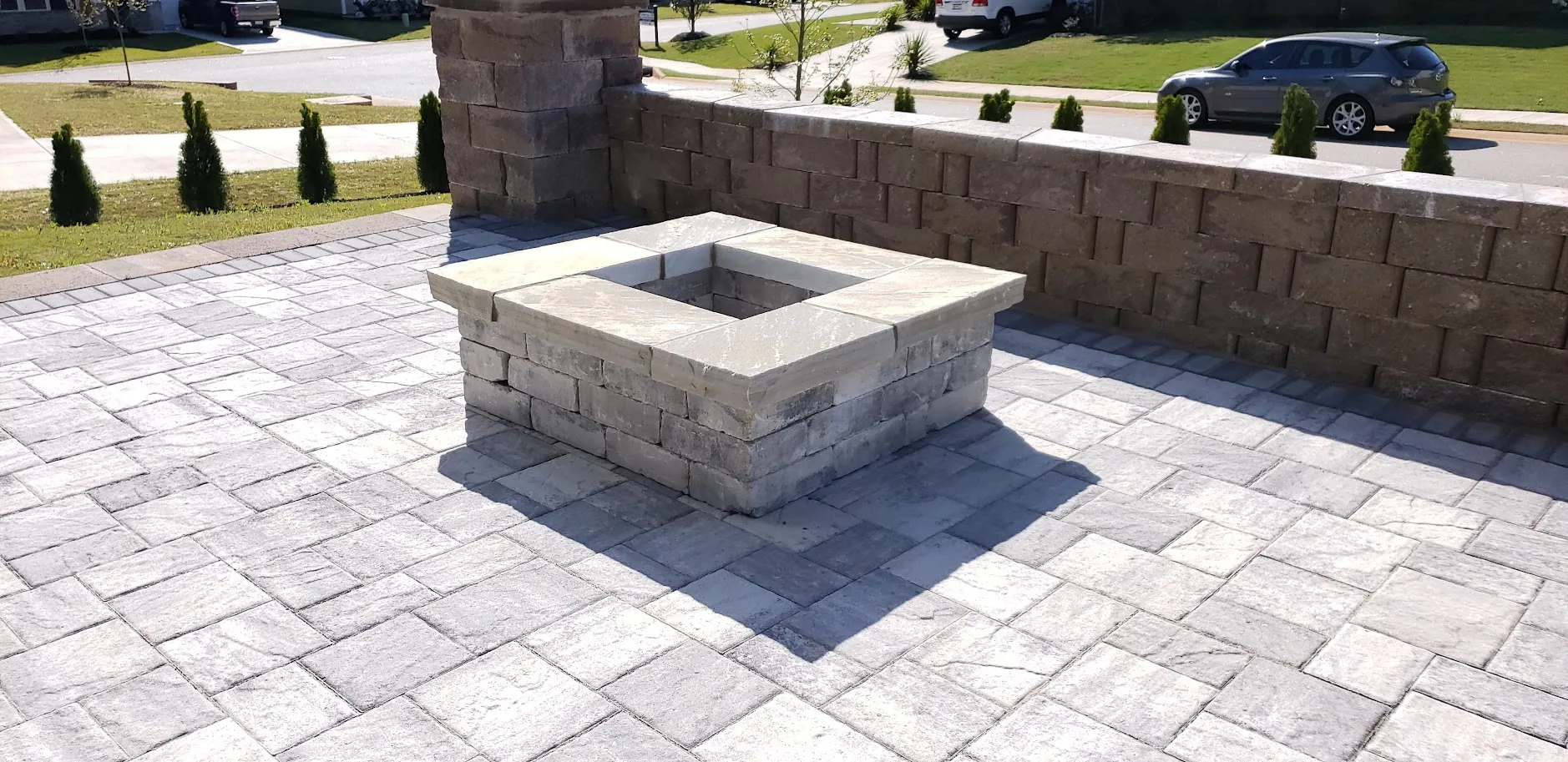
That extra function matters whether the project is large or modest. A compact paver landing outside a back door can make grilling more convenient. A larger patio with a firepit can become the natural setting for birthdays, game nights, and quiet evenings. Near a pool, a well-planned deck gives swimmers a safer, cleaner place to move, dry off, and relax.
Hardscaping also helps organize the property. Instead of a yard that feels like one wide, undefined area, pathways, planting borders, walls, and patio edges create clear zones. There can be a place for entertaining, a route to the garden, a screened area for trash bins, and a lawn left open for children or pets. This structure makes even a smaller yard feel more intentional.
Better Curb Appeal Starts With Definition
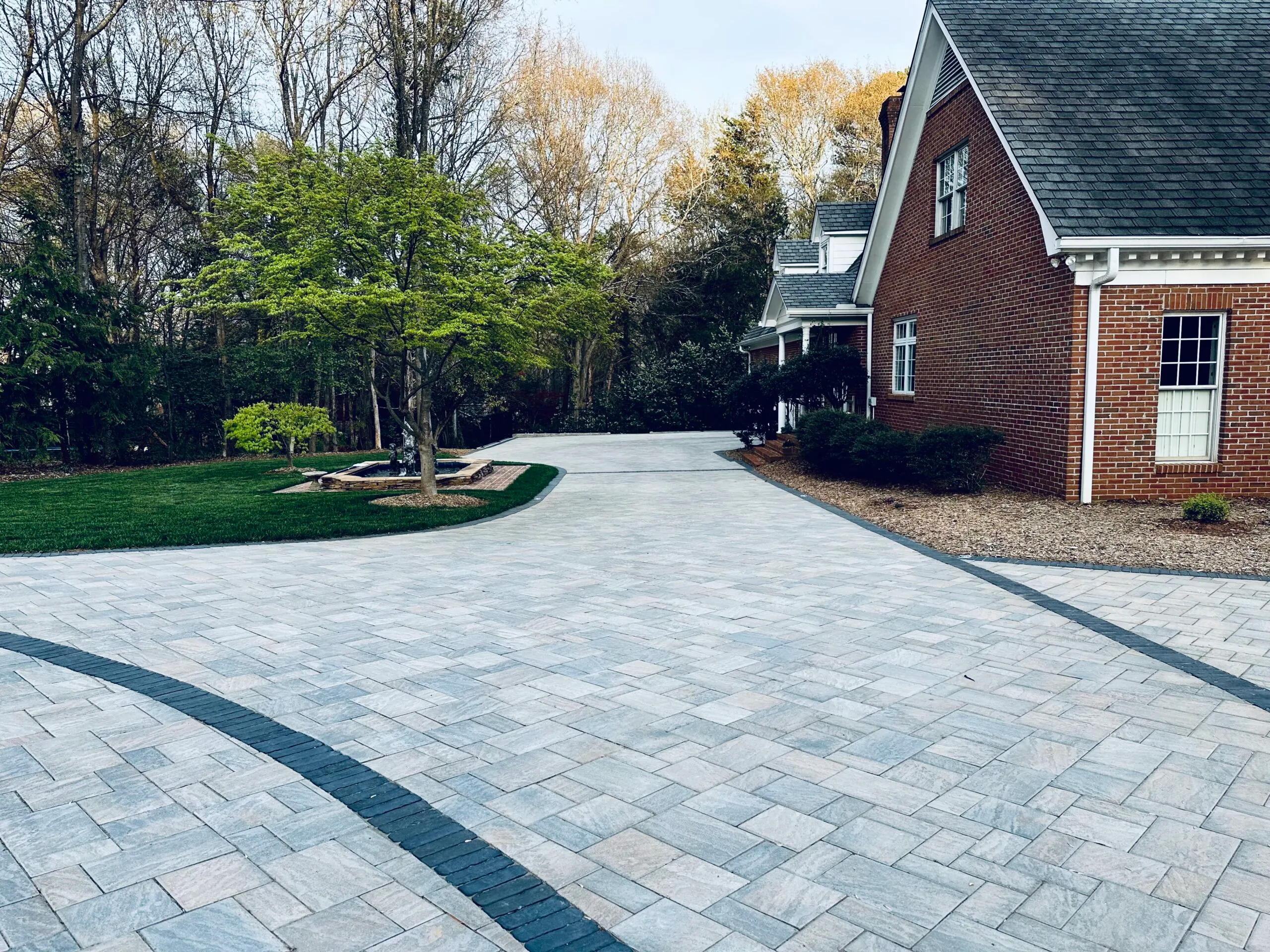
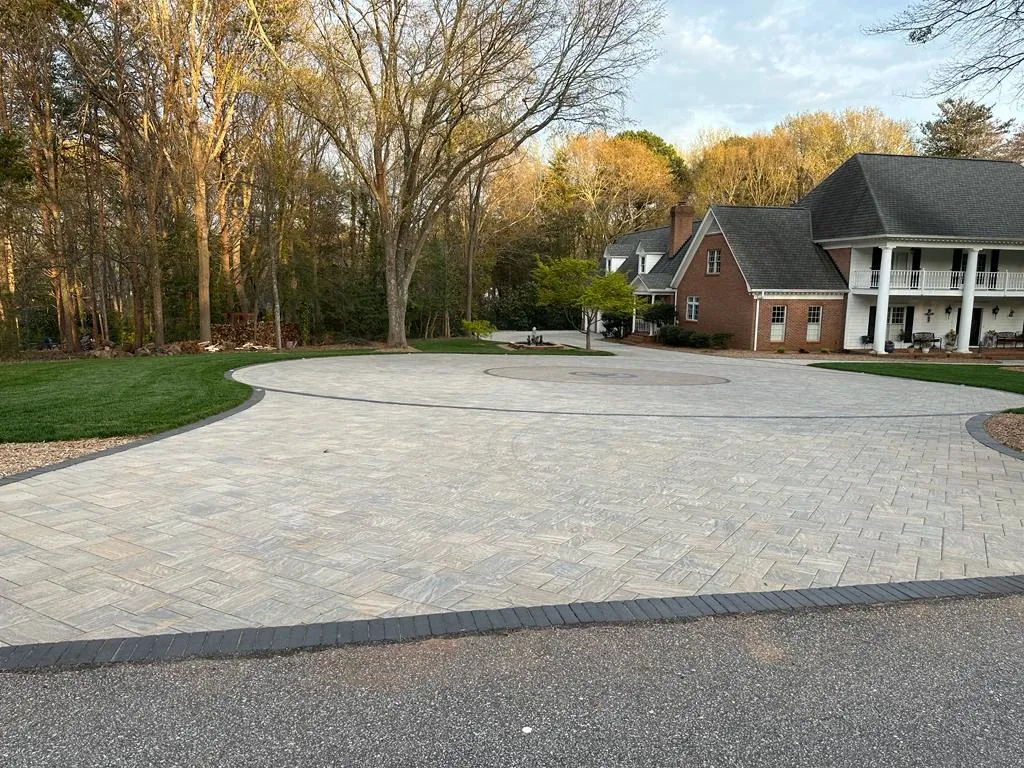
Front-yard hardscaping often makes the biggest immediate visual difference. An aging driveway, uneven front walk, or plain entry can make an otherwise well-kept home feel unfinished. Brick pavers, natural-looking stone, decorative borders, and clean-edged walkways add detail that frames the home rather than competing with it.
The goal is not to cover every available surface. The best approach respects the style of the house, the size of the lot, and the surrounding landscape. A traditional home may suit warm-toned pavers and curved planting beds, while a more contemporary property may call for cleaner lines and larger-format materials. The right design connects the street, driveway, front door, and landscape in a way that feels natural.
For homeowners considering resale, curb appeal is a practical consideration. Buyers form impressions before they reach the front door, and a maintained driveway, defined walkway, and polished entry signal that the property has been cared for. Hardscaping cannot guarantee a return on every dollar spent, but it can strengthen the overall presentation and perceived value of the home.
Materials Matter, but Installation Matters More
Pavers, concrete, natural stone, and brick all have a place in residential hardscape design. The right choice depends on budget, desired appearance, maintenance expectations, and how the surface will be used. A driveway needs a different base and load capacity than a garden path. A pool deck needs traction and comfort underfoot. An outdoor kitchen needs durable surfaces that stand up to heat, spills, and frequent use.
What lies beneath the finished surface is equally important. Proper excavation, grading, base preparation, compaction, edging, and drainage protect the investment. A patio can look excellent on installation day but settle, shift, or hold water later if those details are rushed. Experienced planning helps the finished project perform as well as it looks.
Less Mud, Better Drainage, and Easier Maintenance
Upstate SC weather gives outdoor spaces plenty to handle. Heavy rain can expose drainage problems quickly, while summer heat, humidity, and regular use wear on poorly planned surfaces. Hardscaping can help direct water away from the home, reduce worn paths through the lawn, and create cleaner transitions between indoor and outdoor areas.
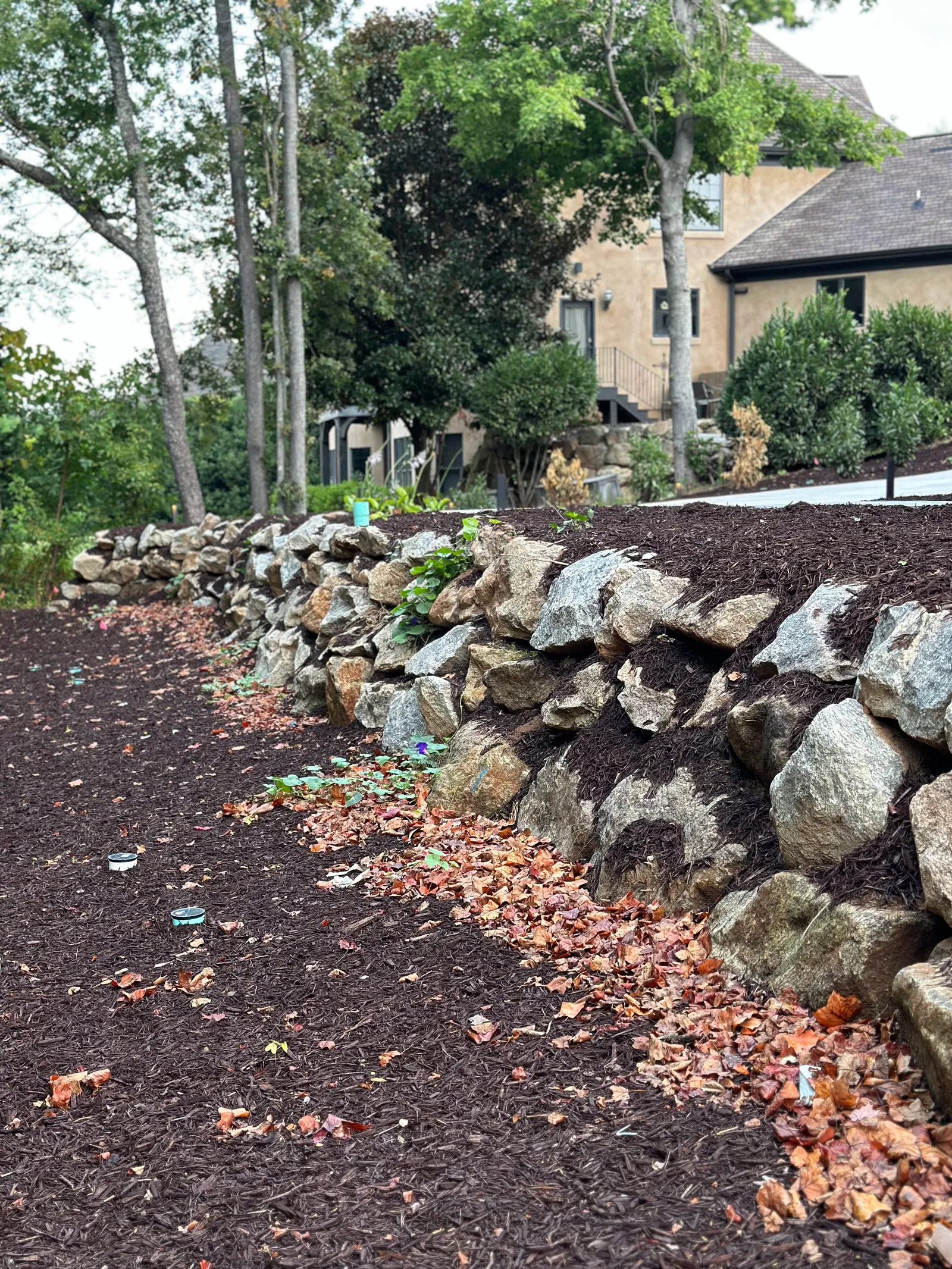
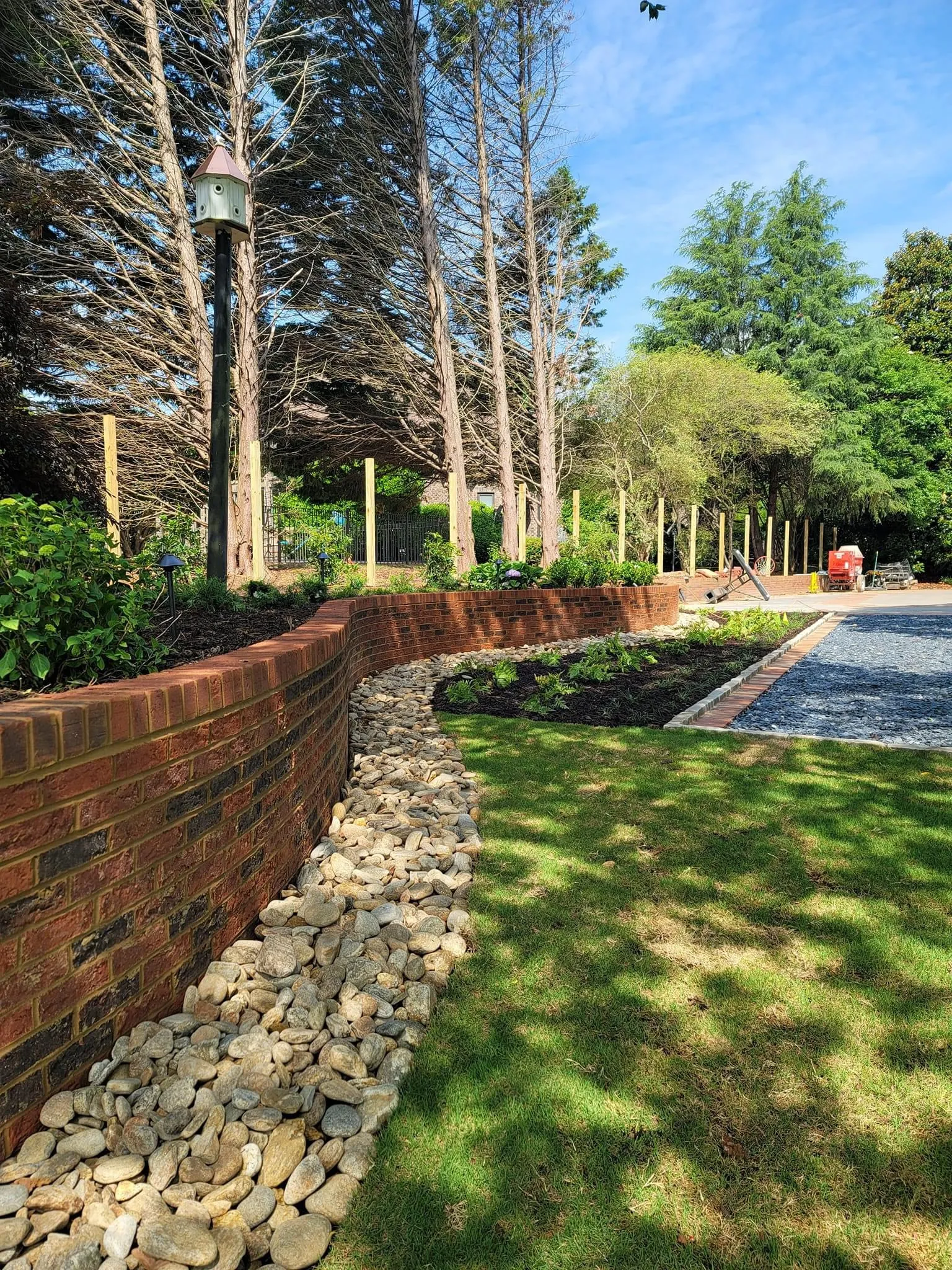
A walkway is a simple example. When people repeatedly cut across grass from the driveway to the front door or from the patio to the garden, that route eventually becomes compacted, thin, and muddy. A properly located path eliminates the problem while making daily movement easier. Retaining walls and graded hardscape areas can also help manage sloped yards, although they need careful engineering and drainage planning to avoid creating a larger water issue.
Maintenance is another reason homeowners choose hardscape features. A patio does not need mowing, and a well-built paver surface can be cleaned and maintained without the weekly effort required by turf. That does not mean hardscapes are maintenance-free. Leaves, pollen, joint material, stains, and occasional settling all deserve attention. Brick paver restoration, including cleaning, re-sanding, and sealing when appropriate, can refresh an established surface and extend its useful life.
The practical advantage is balance. Rather than spending all your time maintaining a large lawn, you can keep the living landscape you enjoy while adding durable areas that reduce the most frustrating parts of yard upkeep.
Outdoor Features Can Extend the Season
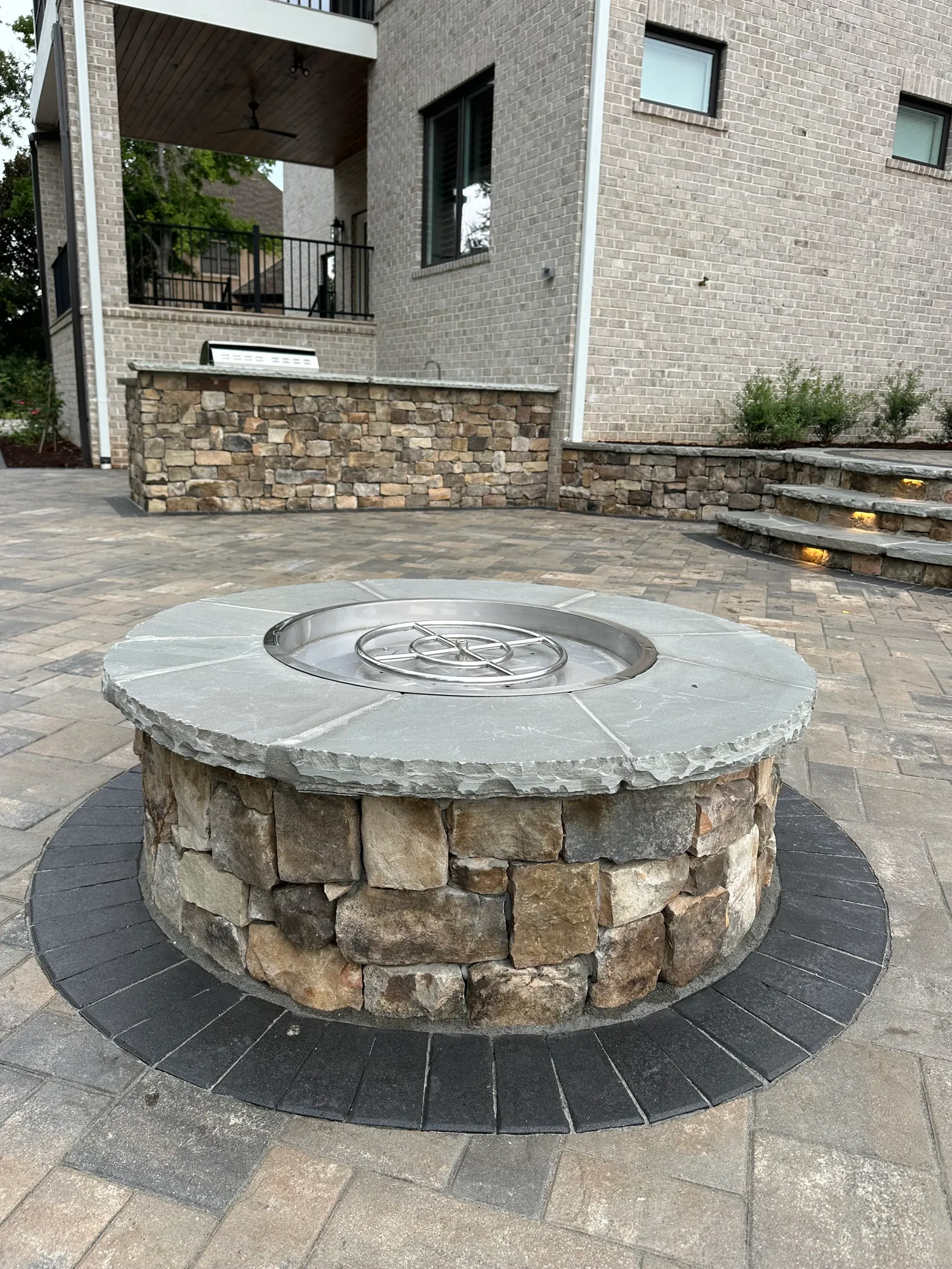
A hardscape project can make the backyard more useful beyond warm-weather weekends. Firepits and outdoor fireplaces create a focal point during cool evenings. An outdoor kitchen or grill station makes hosting easier because the cook remains part of the gathering. Defined seating areas make a backyard feel furnished rather than temporary.
In places such as Greenville, Greer, Simpsonville, Taylors, and Travelers Rest, many homeowners have enough yard space to create several outdoor zones. Still, more square footage is not automatically better. A small, comfortable patio positioned near the house may see far more use than an oversized feature built at the edge of the property. Good design starts with your routines: how many people you host, where the sun falls in the afternoon, how you move through the yard, and what view you want to enjoy from inside the home.
Shade should be part of that conversation. A west-facing patio without shade may be uncomfortable during summer evenings, while a fire feature too close to a seating area may make a compact space feel crowded. Plantings, pergolas, umbrellas, walls, and layout choices can all influence comfort. A finished outdoor area should work with the climate, not force you to work around it.
Know the Trade-Offs Before You Build
Hardscaping is a long-term property improvement, so planning should be deliberate. Larger paved areas can reduce green space and may increase runoff if drainage is not addressed. Some materials cost more upfront but offer a more distinctive finish or simpler future repair. Others may be budget-friendly but less flexible when a section is damaged or needs to be expanded.
It also helps to think ahead. If an outdoor kitchen may be part of a future phase, it is smart to plan its location, utilities, and access before building the patio. If a pool is under consideration, the current yard layout should leave room for circulation and drainage. A phased plan can keep a project aligned with budget without creating expensive rework later.
The contractor relationship matters here. Homeowners deserve clear recommendations, realistic material options, a defined scope, and a jobsite that is respected throughout construction. At Innova Hardscapes and Landscapes, the focus is on combining creative outdoor vision with disciplined installation, from initial planning through final cleanup.
A well-designed hardscape does more than make a yard look complete. It gives everyday moments a better setting. Start by noticing where your property already wants to work harder: the muddy shortcut, the unused patch beside the house, the plain pool edge, or the patio that no longer fits the way you gather. Those details often point directly to the outdoor improvement that will make the greatest difference.
Related Services
Hardscapes
The structural, built elements of a property — patios, driveways, walls, and walkways — planned and installed as one connected system.
Drainage Solutions
Solves standing water and erosion issues before they damage anything else on the property.
Outdoor Fireplaces
A real gathering point for the yard, built to handle regular use.
Related Articles
12 Best Low Maintenance Landscape Ideas for Yards
September 15, 2026
See the best low maintenance landscape ideas for Upstate SC homes, from durable patios to smarter planting plans that look polished with less weekend work.
Upstate SC Landscape Renovation Guide for Yards
September 13, 2026
Use this Upstate SC landscape renovation guide to plan patios, planting, drainage, and outdoor living spaces built for lasting enjoyment at home daily.
Are Outdoor Kitchens Worth It for Upstate SC Homes?
September 9, 2026
Are outdoor kitchens worth it for Upstate SC homeowners? See how cost, climate, design, and daily use shape a patio investment that lasts for years ahead.
Ready to start your project?
Tell us about your space and we'll follow up to schedule a consultation.