
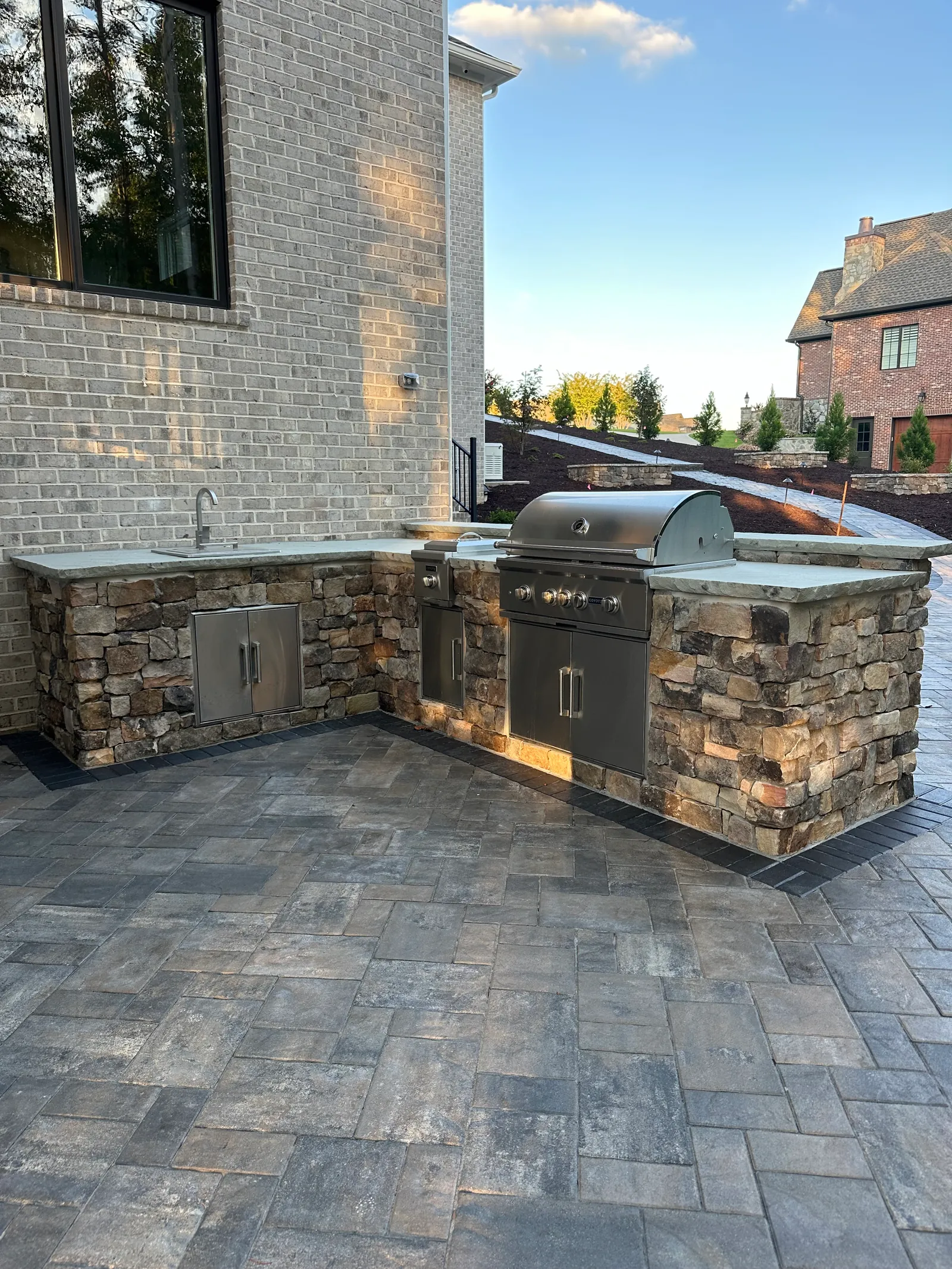
Design Tips
Outdoor Kitchens Built for Upstate SC Homes
Outdoor kitchens bring cooking, gathering, and lasting value outdoors. Plan a practical, beautiful space built for Upstate South Carolina living well.
By Innova Hardscapes and Landscapes · Published August 18, 2026
A grill parked beside the back door can handle a quick weeknight meal. But when friends arrive, the cook ends up making repeated trips inside for drinks, prep space, plates, and cleanup. Outdoor kitchens solve that problem by turning the patio or pool area into a place where cooking, conversation, and time together can happen in one well-designed setting.
For homeowners in Upstate South Carolina, the best outdoor kitchen is not simply a row of stainless-steel appliances. It is a durable extension of the home, shaped around how the family actually gathers, the character of the yard, and the changing conditions of a Southern summer afternoon. A thoughtful plan creates a distinguished destination that feels natural to use from the first cookout.
Start With How You Want to Use the Space
The most successful projects begin with a simple question: what should this space make easier? A family that cooks outside two nights a week may need a dependable grill, practical counter space, and storage. Homeowners who host game-day gatherings or pool parties may benefit from a larger serving area, refrigeration, bar seating, and room for guests to circulate without crowding the cook.
Think beyond the menu. Consider where guests will sit, whether the kitchen needs to serve a pool deck, and how often food will move between the indoor and outdoor spaces. If the kitchen will support larger gatherings, a separate drink station can keep traffic away from the cooking zone. If quiet family dinners are the priority, a compact kitchen near the patio seating area may be the better investment.
Your property should guide the design as well. A level backyard in Simpsonville may offer room for a broad patio and an L-shaped kitchen. A sloped lot in Travelers Rest or Greer may call for retaining work, carefully placed steps, or a more compact layout that makes the most of a terrace. Building around the site instead of forcing a standard arrangement produces a more comfortable result.
Plan Outdoor Kitchens Around Zones, Not Appliances
An outdoor kitchen works best when its functions are organized into clear zones. The hot zone includes the grill, smoker, pizza oven, or side burner. The prep zone needs uninterrupted counter space, lighting, and easy access to utensils. The cold zone may include a refrigerator, ice maker, or beverage cooler. Finally, the serving and seating areas should let guests enjoy the space without standing in the cook’s path.
A grill should not be placed tight against an exterior wall or directly beneath a low roof without proper clearance and ventilation. It also needs landing space on both sides for trays, ingredients, and hot cookware. These details may appear small on a drawing, but they determine whether the kitchen feels effortless or frustrating once it is in use.
Give the Cook Room to Work
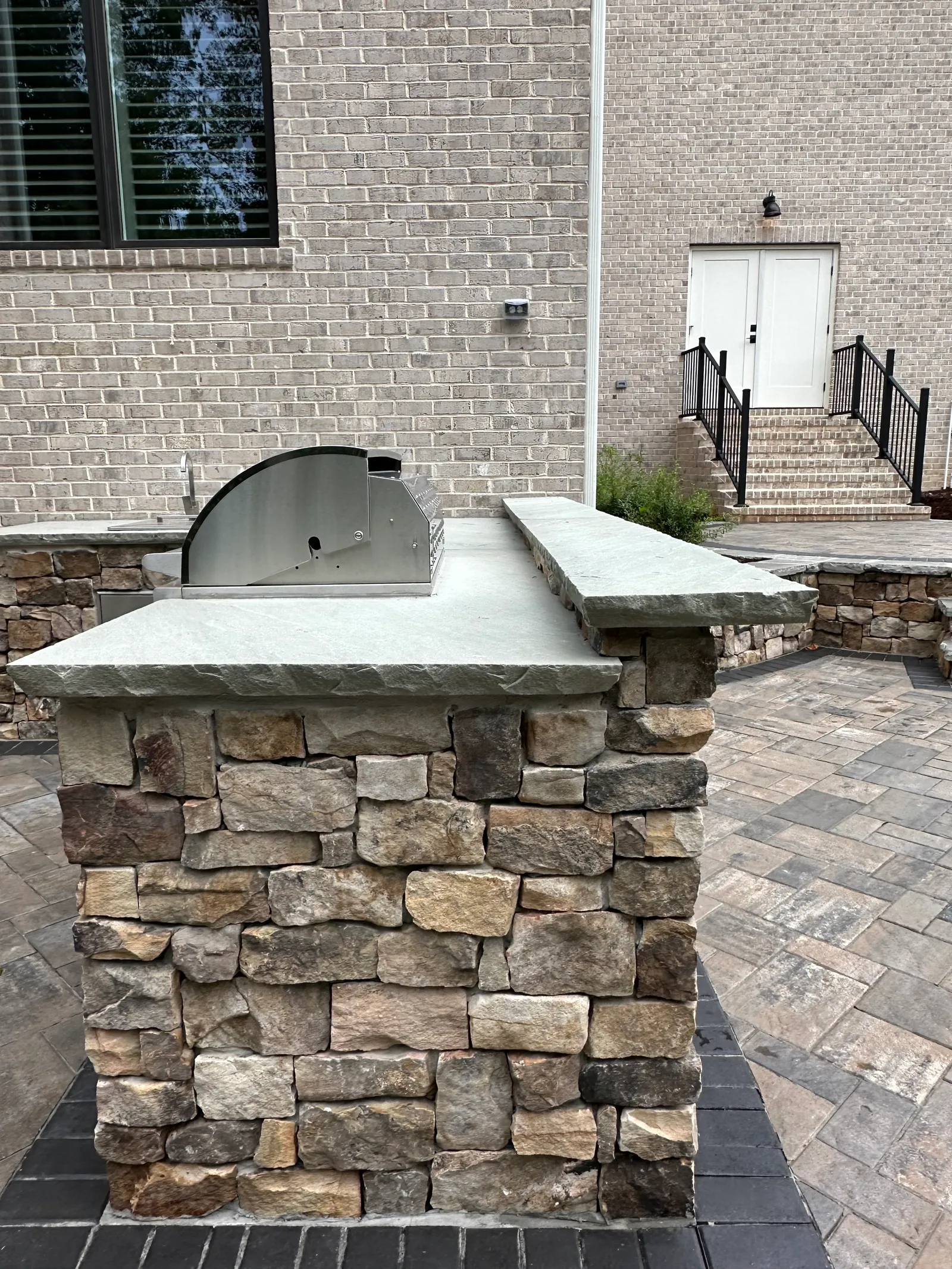
For a compact island, enough open counter space can make a bigger difference than adding another appliance. A well-proportioned grill station with room for prep, storage below, and a nearby seating wall often serves a household better than an oversized kitchen packed with features that rarely get used.
When the project includes a bar, leave enough space behind it for the cook to move comfortably. Guests naturally gather near food and drinks, especially during a Clemson game or a summer celebration. The layout should welcome that energy while keeping hot surfaces, sharp tools, and open grill lids out of the main traffic path.
Choose Materials That Belong in Upstate SC
Upstate SC outdoor kitchens need materials that can handle heat, humidity, rainfall, pollen, and the occasional winter freeze. Masonry, natural stone, brick, concrete, and quality porcelain tile can all create a polished finish, but each has different maintenance needs, costs, and visual character.
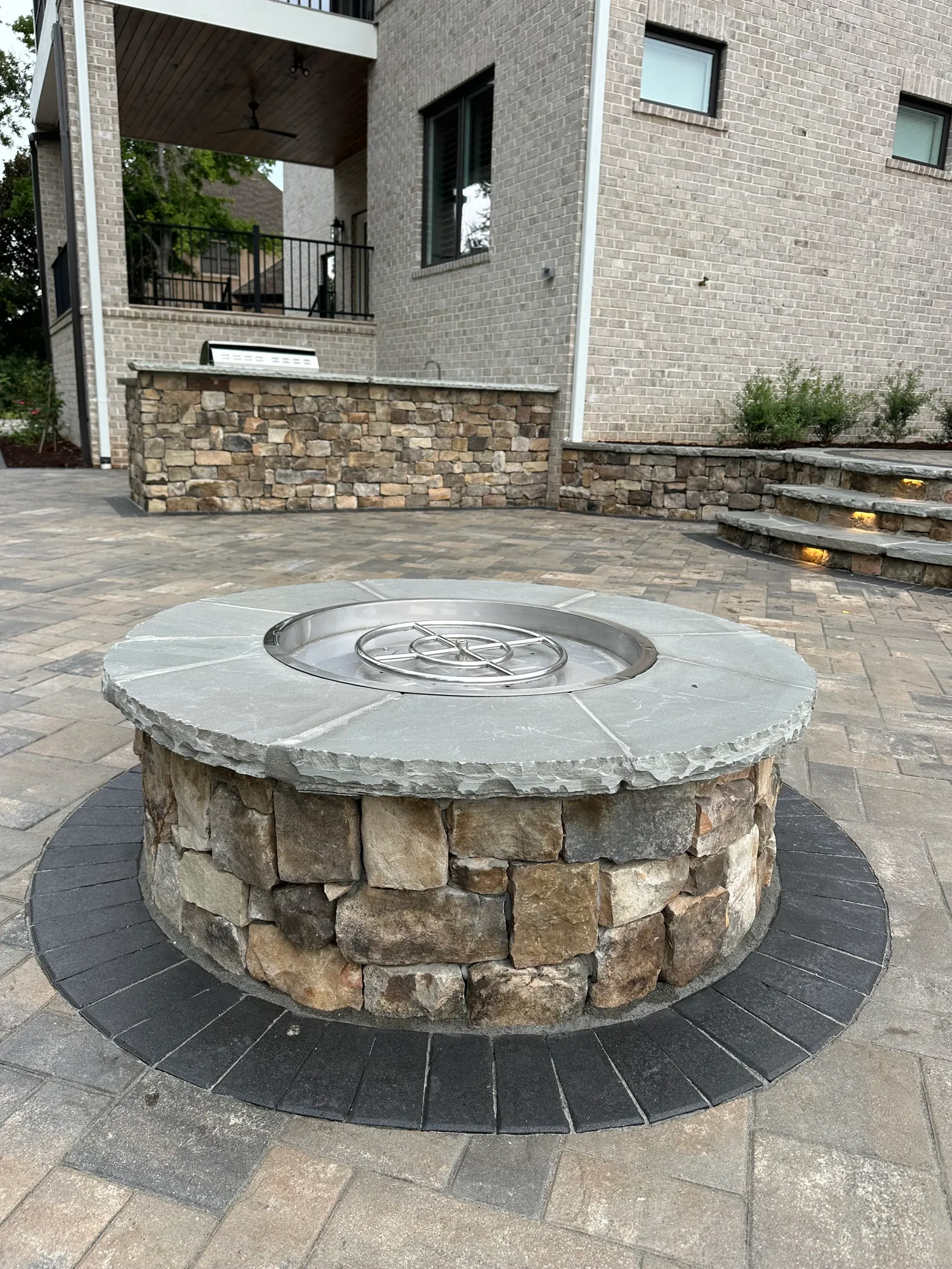
Brick and stone bring warmth and permanence, especially when they connect with an existing home, patio, fireplace, or garden wall. Pavers can provide a coordinated look across a larger backyard renovation. Porcelain surfaces are often appealing for countertops and surrounding hardscape because they are dense, easy to clean, and available in a wide range of styles.
Natural stone can be beautiful, but some varieties require sealing and more consistent care. Concrete countertops offer a custom appearance, though they also need proper installation and maintenance to manage staining and weather exposure. The right choice depends on the desired look, budget, sun exposure, and how much maintenance the homeowner is willing to take on.
Cabinets and appliance surrounds deserve the same attention. Outdoor-rated stainless steel holds up well, while masonry bases provide a substantial, tailored appearance. Avoid treating indoor cabinetry, standard countertops, or non-rated appliances as shortcuts. They may look fine at first, but moisture and temperature swings can shorten their life quickly.
Utilities Should Be Decided Before Construction Begins
A finished patio is not the time to realize that the kitchen needs a gas line, drainage, extra electrical capacity, or a water supply. Utility planning should happen early so the project can be built cleanly and safely, without tearing out new hardscape later.
Gas is a popular choice for homeowners who want the convenience of a grill that starts quickly and never requires propane tank exchanges. Propane may be more practical when extending a natural gas line is not feasible. A professional can help determine which option makes sense for the property, appliance selection, and local requirements.
Electrical planning matters for more than refrigeration. It may support task lighting, outlets for small appliances, fans, a sound system, and low-voltage landscape lighting. Water access can make cleanup easier, but a sink also introduces plumbing and drainage considerations. These decisions should work alongside the overall patio grading plan, especially in areas that receive heavy rain.
Do Not Let Drainage Become an Afterthought
Water should move away from the home and away from the kitchen base. Proper grading, drainage solutions, and durable foundation preparation protect both the hardscape and the investment above it. This is particularly important when an outdoor kitchen is part of a larger patio, pool deck, or retaining-wall project.
Build Comfort Into the Design
A beautiful kitchen that sits in direct late-day sun may get less use than expected. Shade structures, pergolas, umbrellas, or a covered patio can make the space more enjoyable through the warmest months. The right approach depends on the size of the kitchen, its proximity to the home, and whether the area needs protection from rain as well as sun.
Lighting extends the usefulness of the space long after sunset. Task lighting helps with grilling and prep, while soft lighting along steps, walls, pathways, and planting beds adds safety and atmosphere. The goal is not to overlight the backyard. It is to create an inviting setting that still feels relaxed after dark.
Landscaping completes the experience. Ornamental grasses, shrubs, flowering plants, and thoughtfully placed trees can soften masonry and create privacy around a patio. Near a kitchen, plant selections should be attractive without constantly dropping leaves, fruit, or debris onto the cooking and dining areas. Greenery and hardscape should support one another, creating a finished outdoor environment rather than separate features placed side by side.
Set a Budget That Protects the Essentials
Outdoor kitchen costs vary widely because site conditions, materials, utilities, appliances, and size all affect the final scope. Rather than choosing features in isolation, establish the budget around the parts of the project that are difficult or expensive to change later: foundation work, drainage, utility rough-ins, quality hardscape, and the primary cooking appliance.
If the budget needs to be phased, it is often wise to install the patio, utilities, and kitchen structure first, then add specialty appliances or a pergola later. Planning for future additions now can prevent costly rework. A spare electrical line, capped gas connection, or intentionally sized patio may give the space room to grow as needs change.
A detailed conversation with an experienced hardscape contractor also helps homeowners compare options honestly. A larger footprint is not automatically better. A smaller, well-built kitchen with durable materials and an efficient layout will usually deliver more enjoyment than an oversized design that compromises on construction quality.
Make the Backyard Feel Like It Was Always Meant to Work This Way
The strongest outdoor kitchens connect naturally to the home, patio, landscape, and way a family lives. They offer practical places to prepare food, enough room to gather, and materials that hold their beauty through years of use. With thoughtful planning and skilled installation, an ordinary backyard can become the setting for quiet dinners, neighborhood celebrations, and the kind of everyday moments that make a home feel more complete.
For homeowners across Upstate South Carolina, the right project begins with a clear vision and a plan that respects the property. Innova Hardscapes and Landscapes can help shape that vision into an outdoor space built for lasting comfort, function, and craftsmanship.
Related Services
Related Articles
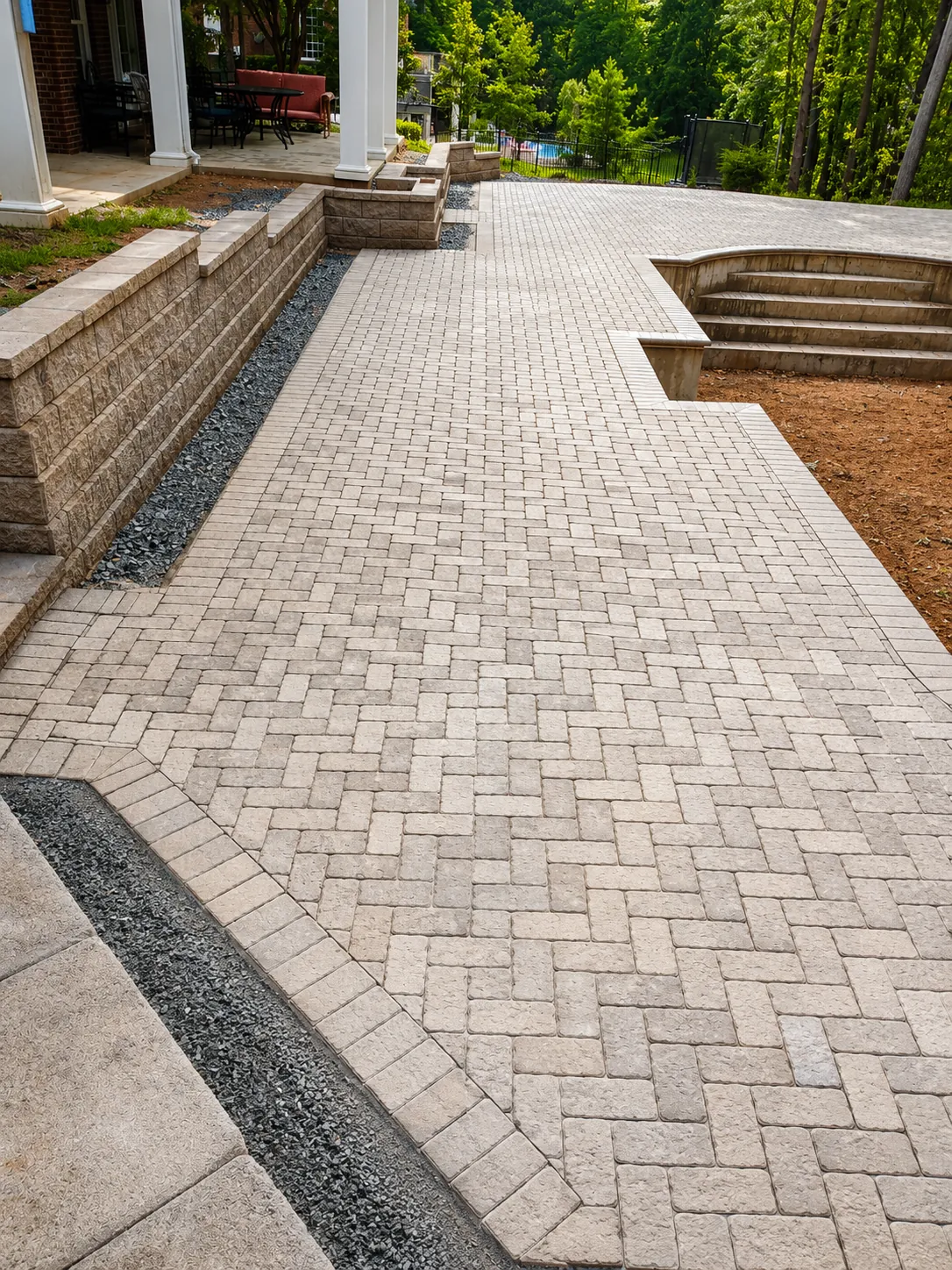
Can Patios Increase Home Value in Upstate SC?
September 23, 2026
Can patios increase home value? A well-designed patio can improve buyer appeal, daily living, and resale potential for Upstate South Carolina homes alike.
Outdoor Kitchen Planning Checklist for Upstate SC
September 19, 2026
Use this outdoor kitchen planning checklist to shape a practical Upstate SC space for cooking, gathering, and easy year-round enjoyment with your family.
Are Outdoor Kitchens Worth It for Upstate SC Homes?
September 9, 2026
Are outdoor kitchens worth it for Upstate SC homeowners? See how cost, climate, design, and daily use shape a patio investment that lasts for years ahead.
Ready to start your project?
Tell us about your space and we'll follow up to schedule a consultation.