
Design Tips
Upstate SC Landscape Renovation Guide for Yards
Use this Upstate SC landscape renovation guide to plan patios, planting, drainage, and outdoor living spaces built for lasting enjoyment at home daily.
By Innova Hardscapes and Landscapes · Published September 13, 2026
A yard can look worn out for reasons that are not obvious from the kitchen window. A patio may be too small for the way your family entertains. A steep side yard may stay muddy after every storm. Foundation shrubs may have outgrown their purpose, while a pool area offers no comfortable place to sit. This Upstate SC landscape renovation guide starts with a better question than, “What plants should we add?” Ask how you want the property to work.
For homeowners from Greenville and Greer to Simpsonville, Easley, and Travelers Rest, a successful renovation brings structure to the entire outdoor environment. It connects the house to the yard, makes difficult areas useful, and combines greenery with durable features that hold up to daily life. The best results do not come from adding one more bed of mulch. They come from a clear plan that addresses circulation, drainage, gathering space, privacy, and long-term maintenance together.
Start With How You Use the Property
Before choosing pavers, plants, or a firepit style, walk the property at different times of day. Notice where the sun is strongest, where water collects, which views you want to frame, and where guests naturally gather. Consider how people enter the backyard from the house, garage, driveway, or pool. These details determine whether a new feature feels naturally placed or awkwardly added.
A family that hosts weekend cookouts needs a different plan than a homeowner focused on a quiet garden retreat. If children and pets use the lawn hard, durable pathways and defined play areas may matter more than elaborate planting beds. If the goal is curb appeal, a renovated driveway border, front walk, lighting, and foundation planting can make a greater visual difference than a major backyard project.
Write down the frustrations you experience now. Maybe patio furniture sinks into gravel, guests track mud inside, or mowing around uneven garden edges has become a weekly nuisance. Those specific problems give a landscape renovation purpose and help guide the budget toward improvements you will appreciate every day.
Upstate SC Landscape Renovation Guide: Plan the Foundation First
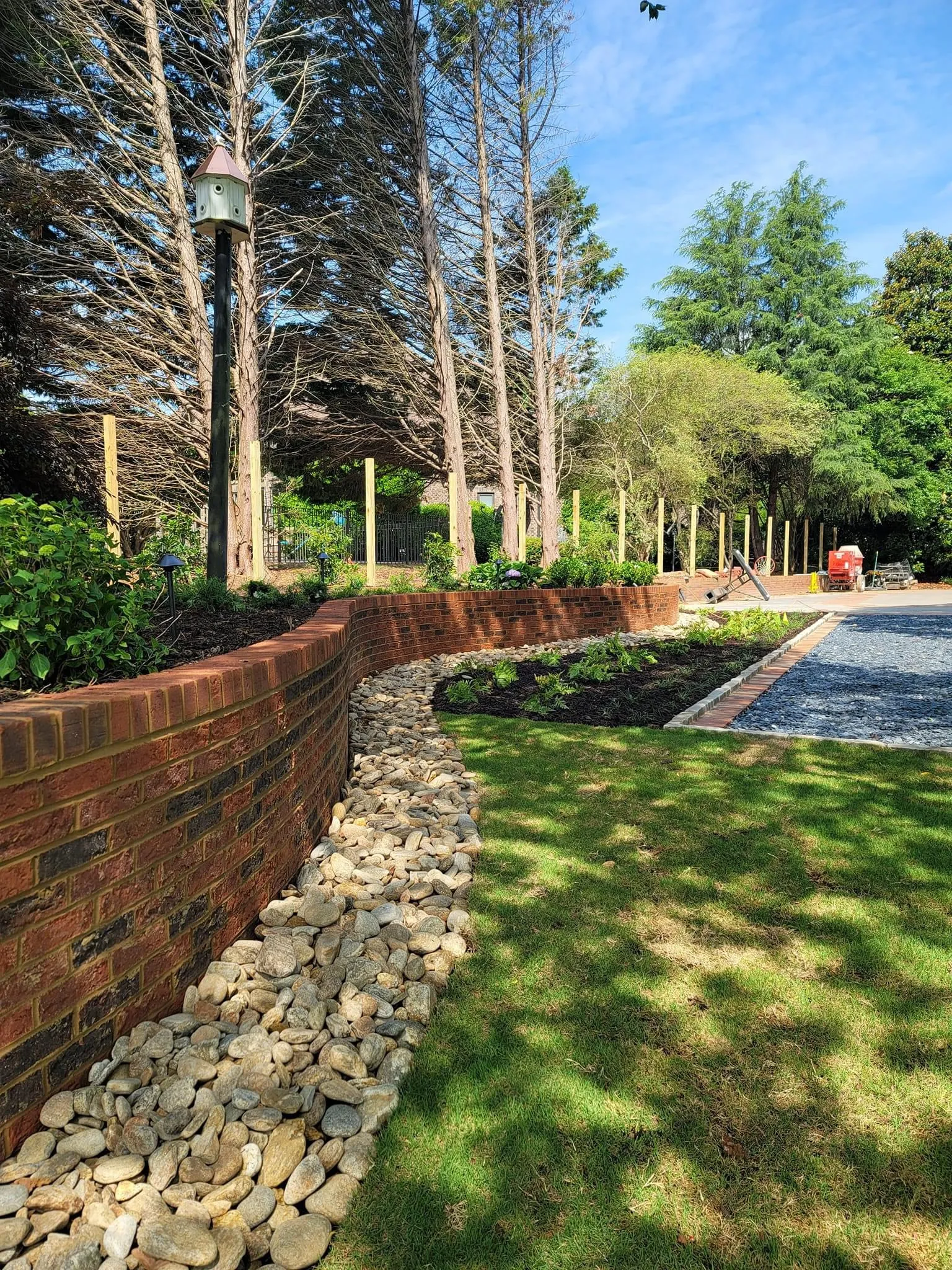
Hardscape is often the framework that makes landscaping more useful. Patios, retaining walls, walkways, pool decks, driveways, and steps define movement and create dependable places to gather. Plantings then soften those features, add seasonal interest, and make the finished space feel established rather than purely constructed.
This order matters. Installing garden beds before resolving grading or patio placement can lead to avoidable rework. A beautiful border will not solve runoff moving toward the house, and a new lawn cannot compensate for a backyard with no comfortable place to sit. Start by addressing the land, drainage, access, and major surfaces. Then build the living landscape around that structure. If you’re planning this kind of renovation on a Greenville property, designing around slope and drainage is exactly where that Greenville-specific planning starts.
Give Water a Place to Go
Upstate South Carolina receives substantial rainfall, often in intense stretches. In neighborhoods throughout Mauldin and Taylors, sloped lots and compacted soil can turn an ordinary rainstorm into standing water, erosion, or a soggy lawn. Drainage should be part of the design, not an afterthought.
The right solution depends on the source and path of the water. It may involve reshaping grades, adding drainage collection, directing downspouts appropriately, creating a retaining solution, or selecting permeable surfaces in the right area. The goal is not simply to move water away quickly. It is to manage it without creating a new issue at a property line, near a foundation, or across a walking path.
Choose Materials for Real Life
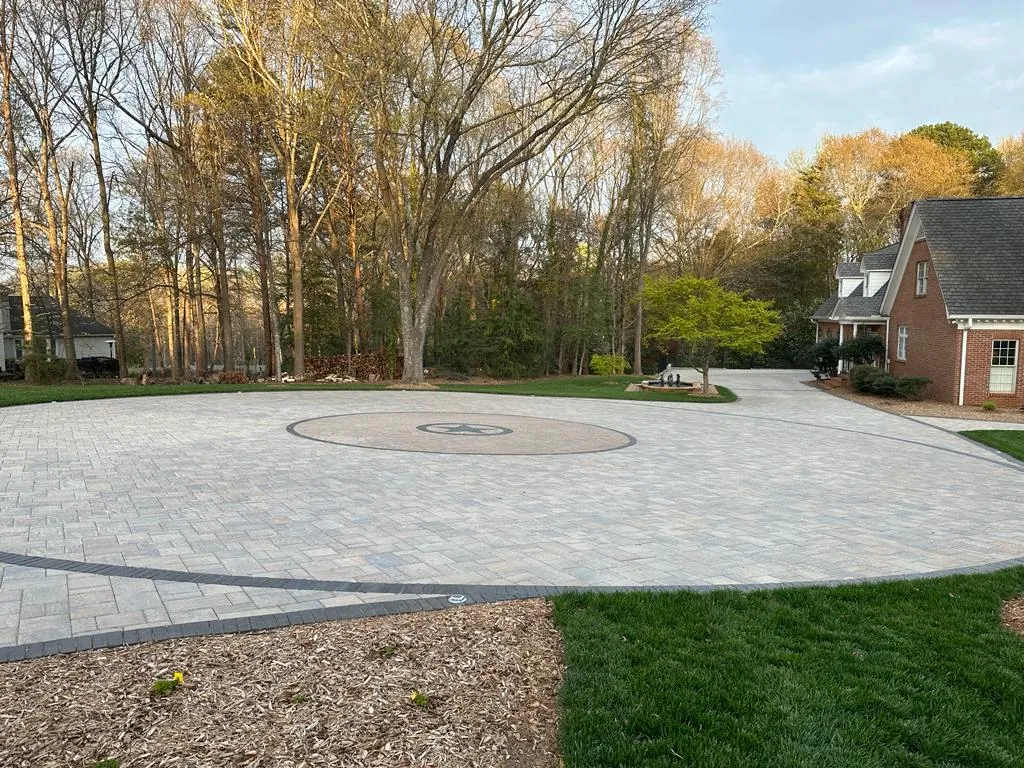
A renovated patio or pool deck should suit both the home and the household. Brick pavers offer character and repair flexibility. Natural stone provides a distinctive, textured finish. Concrete and porcelain options can create a more contemporary look. Each material has different costs, installation needs, surface temperatures, maintenance expectations, and visual qualities.
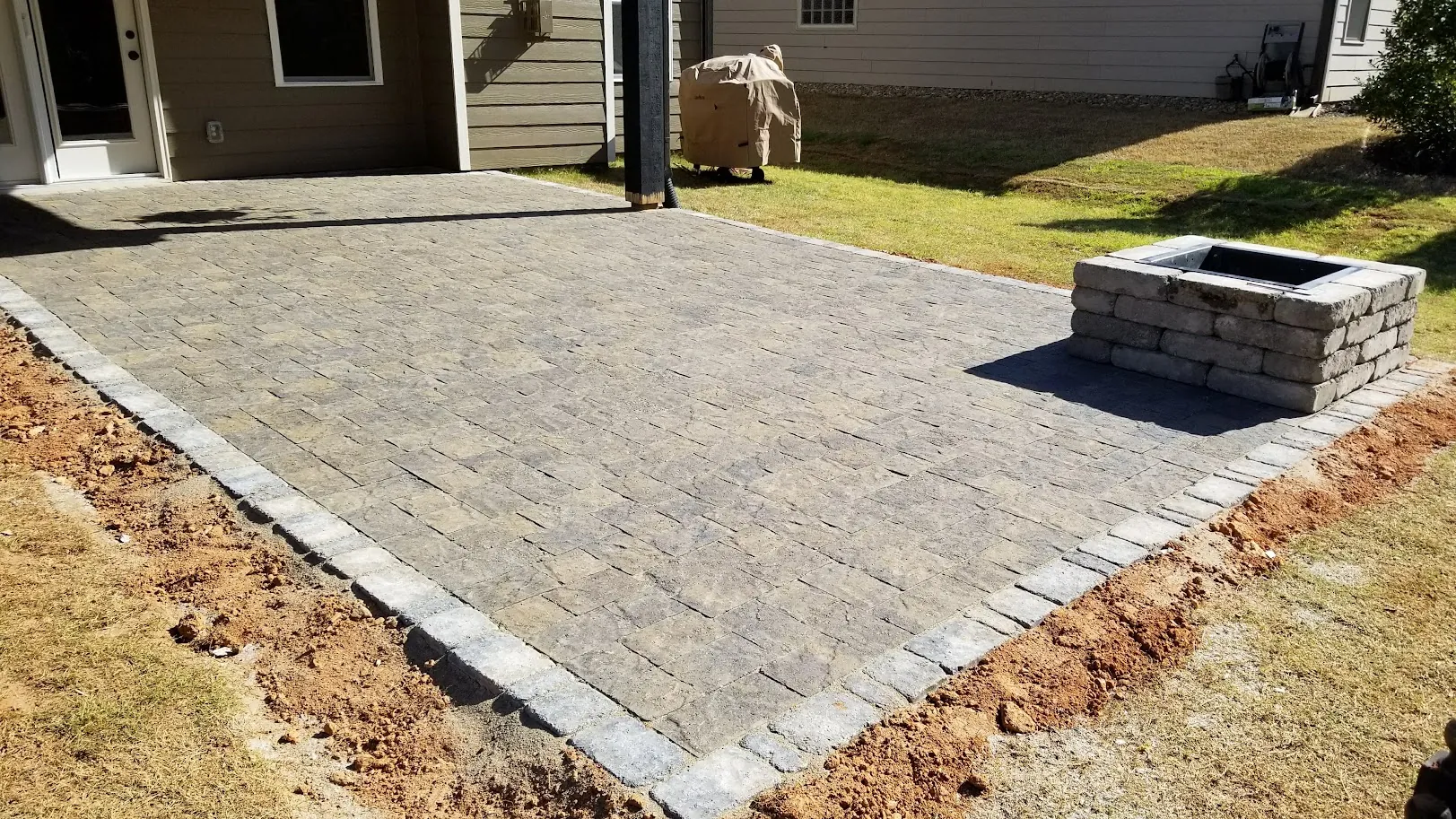
For example, a light-colored pool deck may feel more comfortable in direct summer sun, while a textured finish can improve footing around wet areas. A firepit patio needs enough room for seating and safe circulation, not just space for the fire feature itself. If your existing pavers have settled, shifted, or developed persistent weeds between joints, restoration may be a smarter investment than complete replacement.
Build Outdoor Rooms, Not Isolated Features
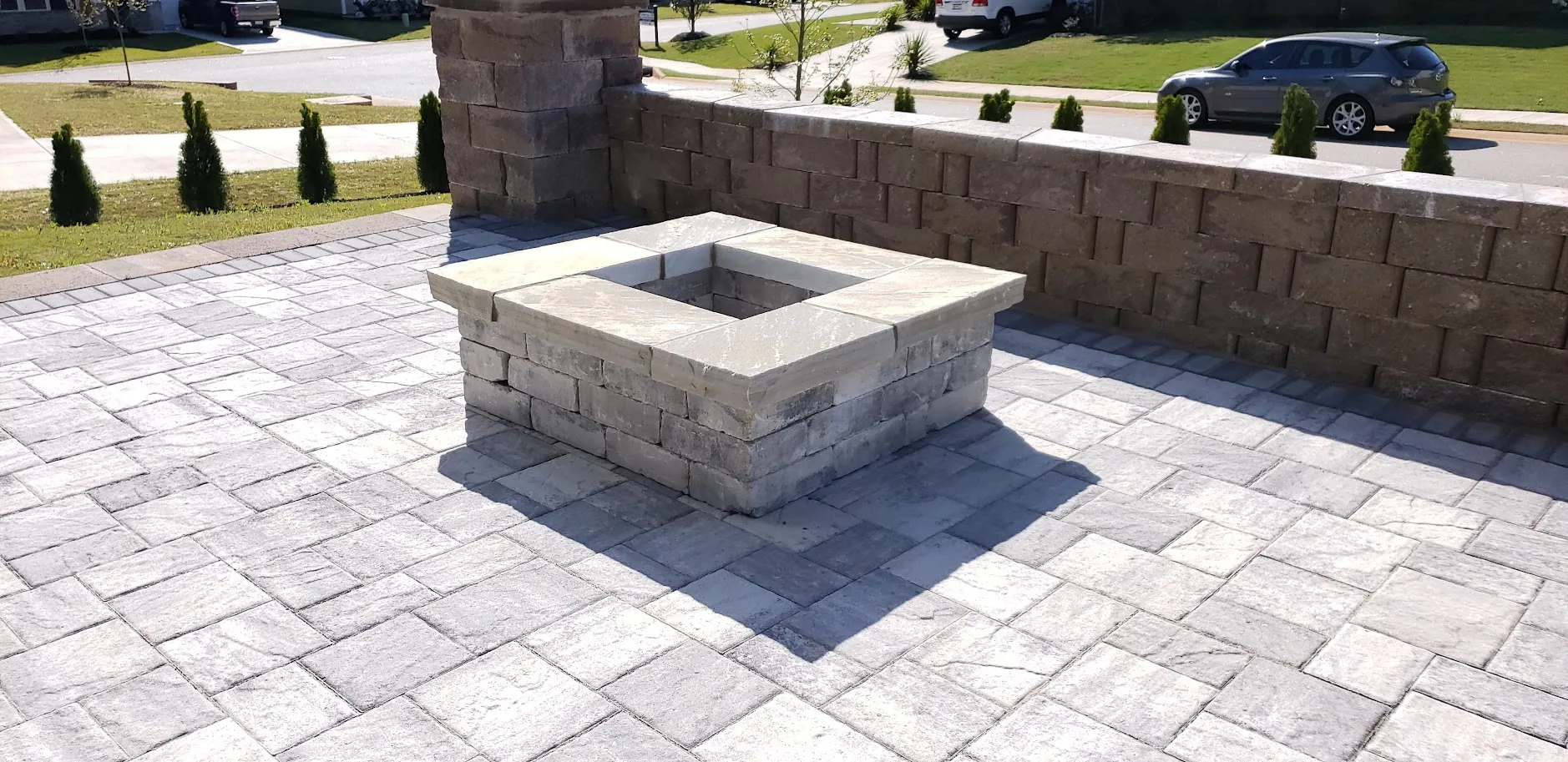
The most inviting yards have a sense of destination. A patio becomes an outdoor dining room when it is sized for a table, chairs, and movement around them. A firepit becomes a gathering place when seating is planned before construction. An outdoor kitchen works best when it relates to the grill, dining area, shade, storage, and traffic flow from the house.
Think in connected zones. A simple path can lead from the back door to a dining patio, then toward a fire feature or garden seating area. Low walls can define a space while offering extra seating. Planting beds can soften the edge between lawn and hardscape. This approach makes even a modest yard feel more intentional.
On larger properties in Anderson or the rural edges of the Upstate, the challenge may be distance rather than limited space. A well-designed route from the home to a pool, detached garage, or rear garden can make the property easier to enjoy and maintain. On smaller suburban lots, careful dimensions prevent the hardscape from consuming every bit of green space.
Select Planting That Supports the Design
Plants should do more than fill empty areas. They can provide privacy, guide the eye, soften retaining walls, add color near an entry, and create a transition between constructed features and the wider yard. The best plant palette reflects sun exposure, soil conditions, desired upkeep, and the architecture of the home.
Layering is usually more effective than relying on one row of shrubs. A mix of trees or larger screening plants, mid-height shrubs, perennials, ornamental grasses, and groundcover creates depth. Evergreens can provide year-round structure, while flowering and seasonal plants bring changing color and texture. Leave room for mature growth so beds do not become overcrowded within a few seasons.
Maintenance is a real trade-off. A richly planted garden can be rewarding, but it requires pruning, weeding, mulching, and occasional replacement. Homeowners who want a neater, lower-maintenance finish may prefer fewer varieties, stronger evergreen structure, wider bedlines, and durable edging. Artificial turf can also make sense in select high-use or difficult-to-grow areas, though it is not a universal substitute for a healthy lawn and should be considered alongside heat, drainage, and intended use.
Set a Budget Around Priorities and Phases
Landscape renovation budgets vary because every site and scope is different. Access for equipment, grading needs, material selections, drainage work, demolition, utility considerations, and custom features all affect the final investment. A clear budget range helps a contractor recommend options that fit the property without presenting a design that cannot realistically be built.
If the ideal plan exceeds the first-phase budget, do not abandon the larger vision. Create a master layout, then complete the project in logical stages. Start with drainage and grading, for instance, followed by the patio and structural walls. Planting, lighting, an outdoor kitchen, or a fire feature can follow later if the infrastructure and layout already anticipate them.
Phasing only works when the first stage does not compromise the next one. A patio should be sized and positioned with future additions in mind. Necessary sleeves, electrical planning, drainage routes, and access should be addressed before surfaces are finished. This avoids tearing out completed work later.
Work With a Contractor Who Can See the Whole Site
A landscape renovation crosses several disciplines. It may include excavation, grading, hardscape construction, drainage, planting, turf, lighting coordination, and restoration. That is why it helps to work with a team that can connect design decisions to practical installation.
During planning, expect a professional contractor to ask about your lifestyle, budget, maintenance preferences, timeline, and property challenges. They should explain what is possible, where trade-offs exist, and why certain recommendations protect the finished project. Clear communication also includes details homeowners notice immediately: organized work areas, respectful crews, schedule updates, and a thorough final cleanup.
Innova Hardscapes and Landscapes approaches outdoor projects as complete environments, balancing gardens and lawns with patios, walkways, walls, pool areas, and other built features. That integrated perspective helps turn a collection of ideas into a finished space that looks polished and functions with confidence.
Your yard does not need to become someone else’s idea of a showpiece. It should become a place that welcomes you outside more often, handles the weather better, and feels worthy of the home you have built around it. Start with the way you live, give the land a thoughtful plan, and let each improvement earn its place.
Related Services
Drainage Solutions
Solves standing water and erosion issues before they damage anything else on the property.
Outdoor Fireplaces
A real gathering point for the yard, built to handle regular use.
Patios
Durable, precisely-laid patios built on a proper base — the difference shows up years later, not on day one.
Related Articles
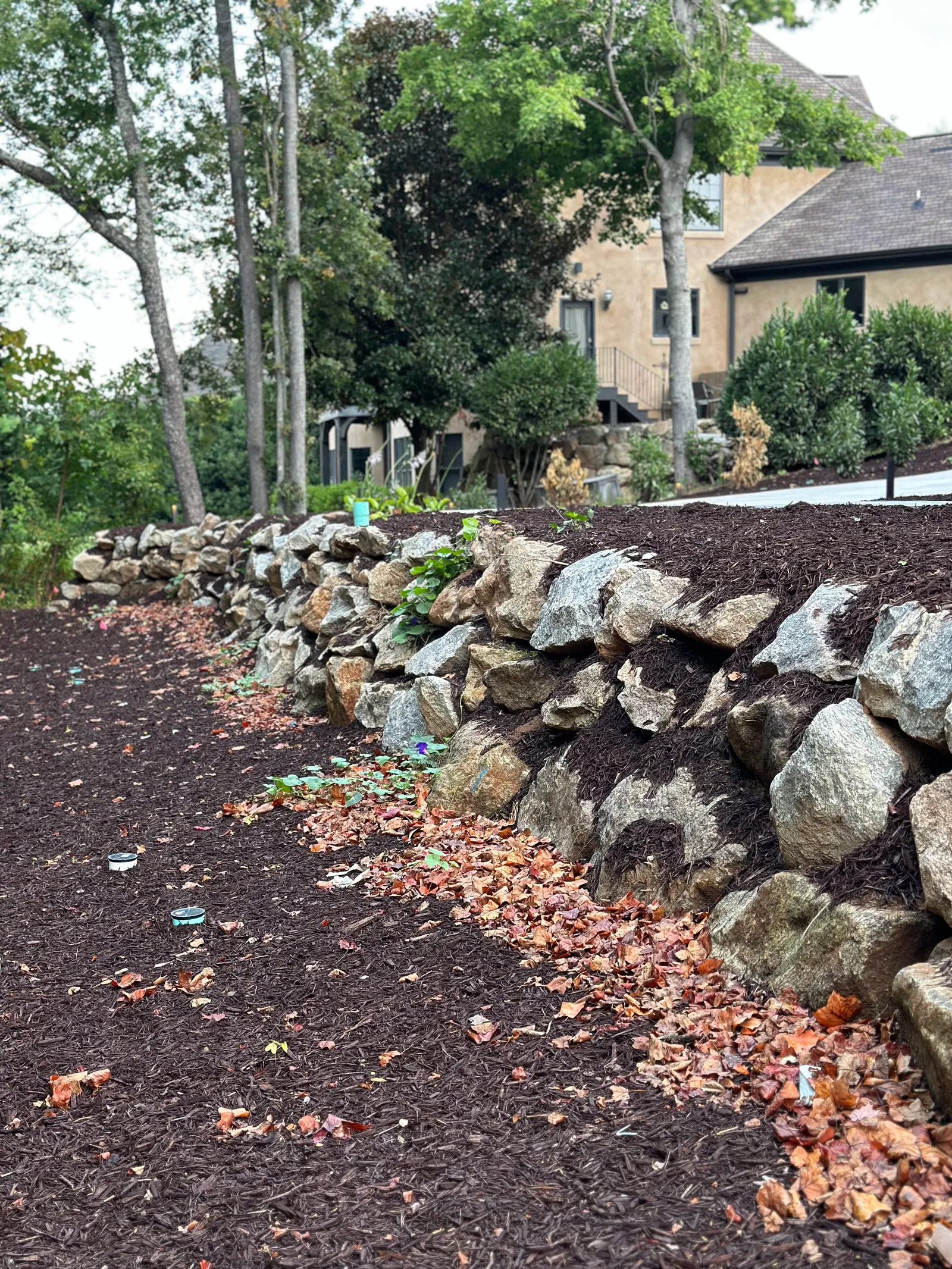
12 Best Low Maintenance Landscape Ideas for Yards
September 15, 2026
See the best low maintenance landscape ideas for Upstate SC homes, from durable patios to smarter planting plans that look polished with less weekend work.
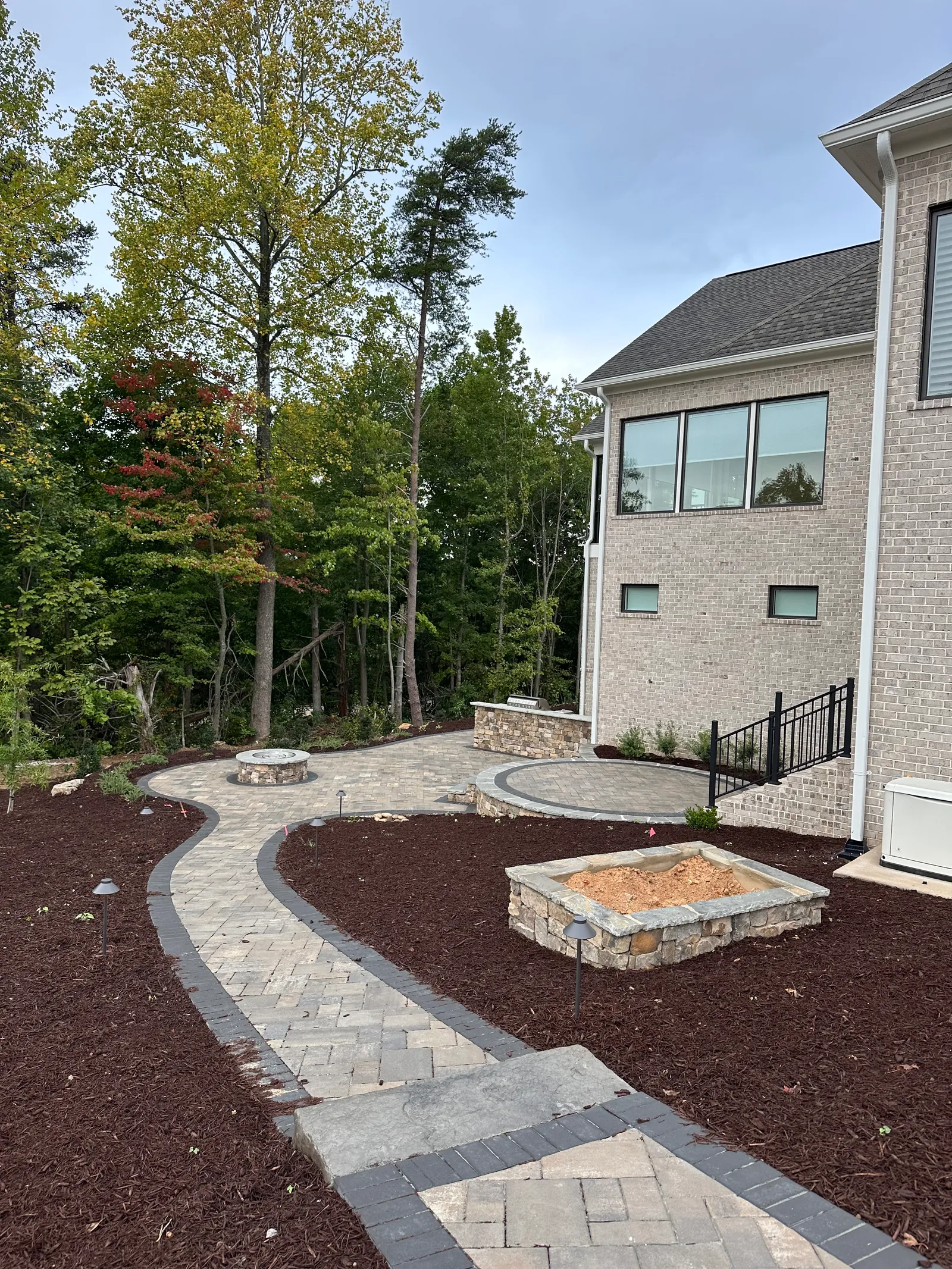
A Homeowner's Guide to Planning Outdoor Fireplaces
August 5, 2026
Plan a custom firepit installation in Greenville SC with the right location, materials, drainage, seating, and design for year-round outdoor living comfort.
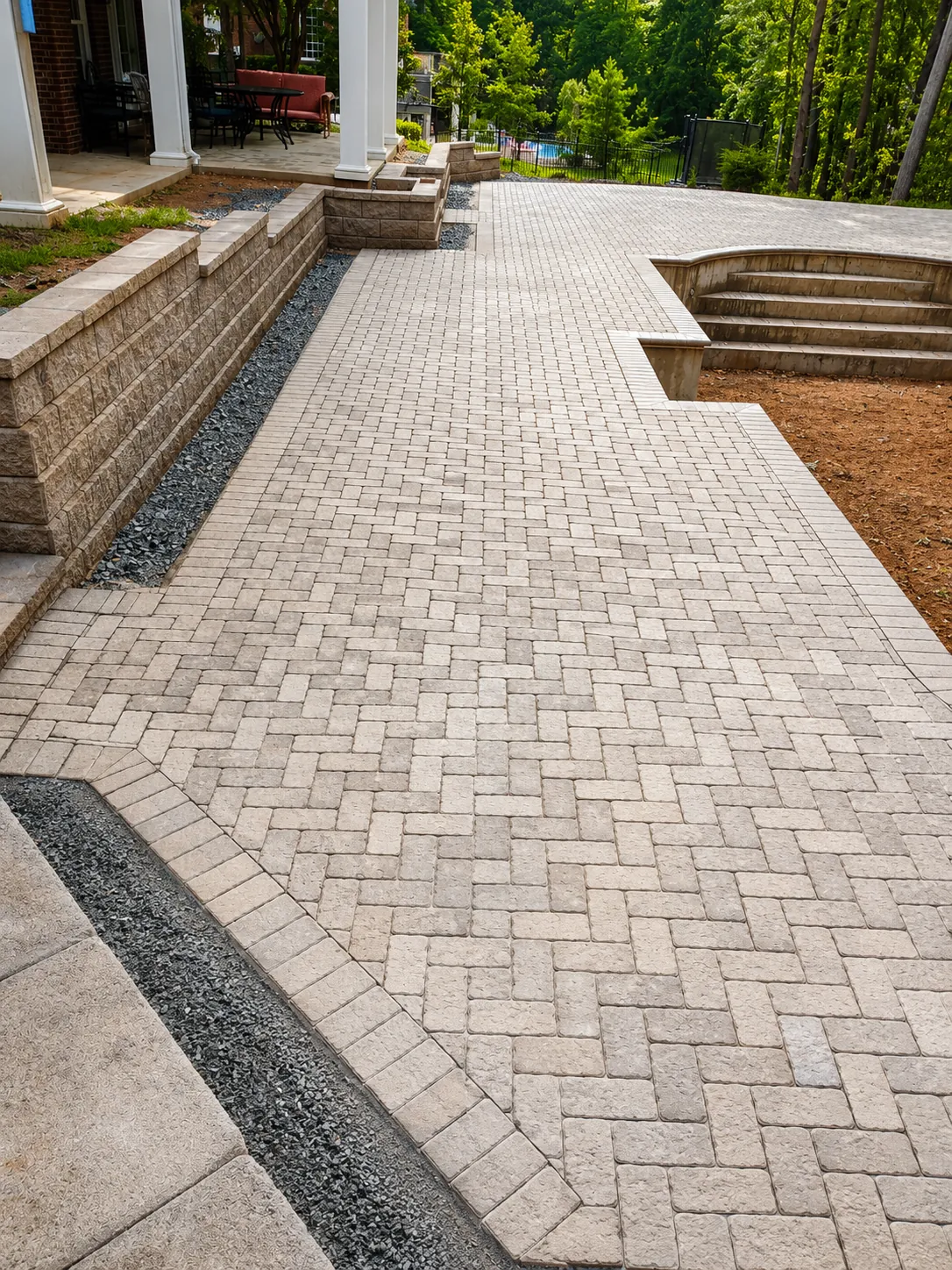
Can Patios Increase Home Value in Upstate SC?
September 23, 2026
Can patios increase home value? A well-designed patio can improve buyer appeal, daily living, and resale potential for Upstate South Carolina homes alike.
Ready to start your project?
Tell us about your space and we'll follow up to schedule a consultation.