
Design Tips
Can Patios Increase Home Value in Upstate SC?
Can patios increase home value? A well-designed patio can improve buyer appeal, daily living, and resale potential for Upstate South Carolina homes alike.
By Innova Hardscapes and Landscapes · Published September 23, 2026
A backyard can look perfectly adequate on paper - grass, a few shrubs, maybe a small concrete slab outside the door - yet still feel like space no one uses. For homeowners asking, “can patios increase home value,” that difference matters. A thoughtfully designed patio can make a property more enjoyable now and more appealing when it is time to sell, especially in Upstate South Carolina, where outdoor living is part of how many families relax, gather, and entertain.
The key is not simply adding more hardscape. Value comes from building an outdoor area that feels like a natural extension of the home, fits the property, and meets the expectations of buyers in the neighborhood.
Can Patios Increase Home Value?
Yes, patios can increase home value, but the return is rarely a fixed percentage or guaranteed dollar amount. A patio is most likely to support resale value when it improves the way the yard functions, complements the home’s style, and is installed with quality materials and proper site preparation.
Buyers often respond to homes that feel complete. A finished patio can turn an empty backyard into a setting they can picture using from their first weekend in the house. That emotional response has real value. It may help a home stand out among comparable listings, encourage stronger offers, or reduce the amount of time it sits on the market.
In communities from Greer and Taylors to Simpsonville, Easley, and Travelers Rest, homeowners increasingly view outdoor areas as usable living space. A patio that creates a defined place for dining, grilling, conversation, or poolside lounging can make the whole property feel larger and more intentional.
That said, a patio should not be treated as a quick resale trick. An oversized design, dated materials, poor drainage, or a layout that overwhelms a small yard can work against the investment. The best projects balance personal enjoyment with broad, lasting appeal.
Why a Patio Appeals to Future Buyers
A quality patio does more than provide a hard surface. It answers practical questions buyers may have when they walk through a backyard: Where will we eat outside? Where can the kids gather after swimming? Is there room to host friends? Can we enjoy this yard without constantly tracking through mud or uneven grass?
A patio provides definition. It separates active outdoor living areas from planting beds, lawn, and utility zones. On a property with a slope or an awkward transition from the house to the yard, hardscaping can also create a cleaner, safer path outside.
The appeal is especially strong when the patio connects naturally to the home. A design outside the kitchen, great room, or pool area feels convenient because it is convenient. Homeowners do not have to carry food across the yard, set chairs on uneven ground, or work around a patch of worn grass every time they want to spend time outside.
For buyers, that finished functionality can remove a future project from their list. Instead of seeing a yard that needs work, they see an outdoor destination already prepared for everyday use.
The Features That Can Add the Most Value
The patio itself is the foundation, but supporting details often determine whether it feels basic or fully resolved. Natural stone, concrete pavers, and well-finished poured concrete can all be appropriate choices. The right material depends on the architecture of the home, the surrounding landscape, the budget, and the level of maintenance the homeowner prefers.
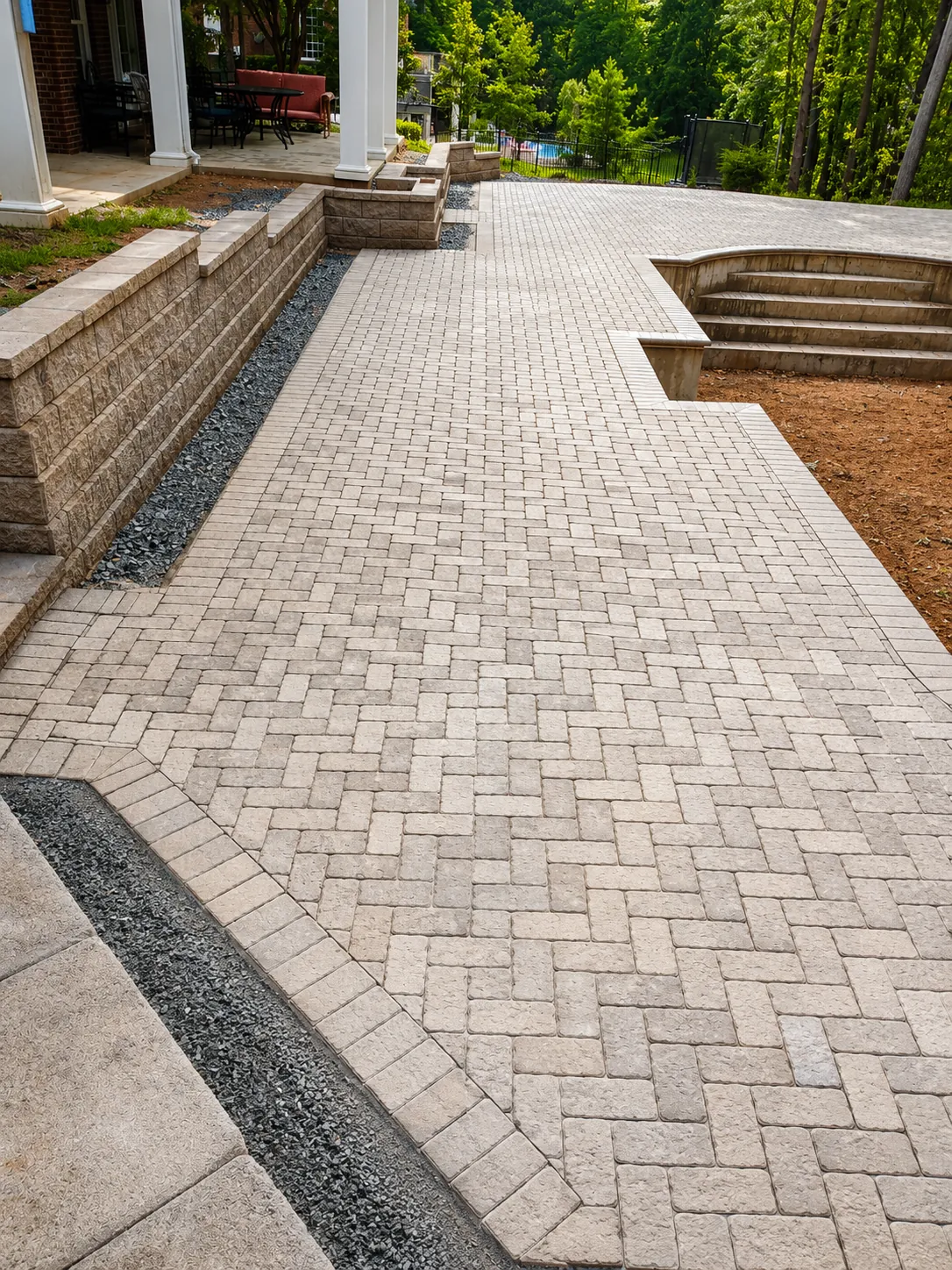
Paver patios are popular because they offer visual character and design flexibility. They can be laid in patterns, framed with contrasting borders, and shaped to follow garden beds or pool decks. Natural stone can create a more elevated, timeless appearance, while concrete can be a practical choice for clean-lined modern spaces or larger entertaining areas.
The strongest return usually comes from features that expand how often the patio is used. A firepit can make cool fall and winter evenings more inviting. Low seat walls add casual gathering space without filling the patio with furniture. Steps, retaining elements, and lighting can solve grading challenges while giving the area a finished look.
Outdoor kitchens and fireplaces can also be valuable, but they require more restraint. On the right property, these features create an impressive entertainment space. On a modest home or small lot, however, an elaborate installation may exceed what local buyers expect to pay. A well-proportioned grilling station and a comfortable dining patio may offer broader appeal than a large outdoor kitchen that consumes most of the yard.
Quality Installation Protects the Investment
Homebuyers may not see the compacted base beneath a paver patio or the drainage planning behind a retaining edge, but those details affect how the project performs over time. Settling, standing water, loose pavers, cracked surfaces, and failing edges can quickly turn an attractive improvement into a repair concern.
Upstate SC properties often have grades, clay soils, and drainage patterns that deserve careful attention before construction begins. Water should move away from the home and patio surface without creating erosion or soggy areas in the lawn. Proper excavation, base preparation, compaction, and grading are not optional extras. They are part of building a patio that remains stable through changing weather and regular use.
A professional installation also protects the surrounding property. Clean work areas, careful access planning, and final site cleanup matter to homeowners during construction and contribute to a polished finished result. The goal is not merely to place materials in the yard. It is to create a space that looks like it has always belonged there.
Match the Patio to Your Home and Neighborhood
A patio should feel proportionate to the house and the lot. A large patio can be ideal for a family that hosts frequently, but a smaller yard may benefit more from an intimate seating area framed by landscaping. Likewise, a formal brick home may call for a different palette than a contemporary home with simple architectural lines.
Neighborhood context matters, too. In established areas of Greenville and Mauldin, buyers may appreciate a durable, classic outdoor space that respects the character of the home. In newer communities around Anderson, a patio with room for grilling and casual entertaining may align well with buyer expectations. The objective is not to copy nearby homes, but to avoid building a feature that feels out of scale for the property’s price point.
Landscaping is what helps hardscape feel integrated rather than dropped into the yard. Planting beds can soften patio edges, while turf, trees, and garden areas create contrast and privacy. This balance between greenery and structure is often what gives an outdoor space its finished, distinguished appearance.
When a Patio May Not Deliver the Return You Expect
Not every patio project produces the same financial result. If a home needs major repairs, roof work, exterior maintenance, or outdated interior improvements, a patio may not be the first investment to make before selling. Buyers generally expect the home itself to be sound before they assign much value to outdoor upgrades.
It is also possible to overbuild. Very specialized features, highly personal color choices, or expensive additions that do not fit the lot may narrow the buyer pool. If resale is a near-term priority, choose durable, neutral materials and a flexible layout that supports several uses.
The good news is that the value of a patio is not limited to an appraisal or future sales price. If your family uses the space for dinners, birthday parties, quiet mornings, and evenings around a fire, the project provides a return long before a listing sign goes in the yard.
Plan for Use First, Then Value
Before choosing pavers or sketching a layout, think about how your household will use the space. Consider how many people you host, where the sun falls in the afternoon, how you move between the kitchen and yard, and whether drainage or grade changes need to be addressed. These decisions shape a patio that works beautifully rather than simply looking attractive in photos.
A well-planned patio can make an ordinary yard feel organized, welcoming, and ready to enjoy. For Upstate South Carolina homeowners, the most valuable design is usually the one that fits the home, respects the land, and gives people a reason to spend more time outside.
Related Services
Patios
Durable, precisely-laid patios built on a proper base — the difference shows up years later, not on day one.
Drainage Solutions
Solves standing water and erosion issues before they damage anything else on the property.
Outdoor Kitchens
Built-in cooking and prep space designed around how you actually entertain.
Related Articles
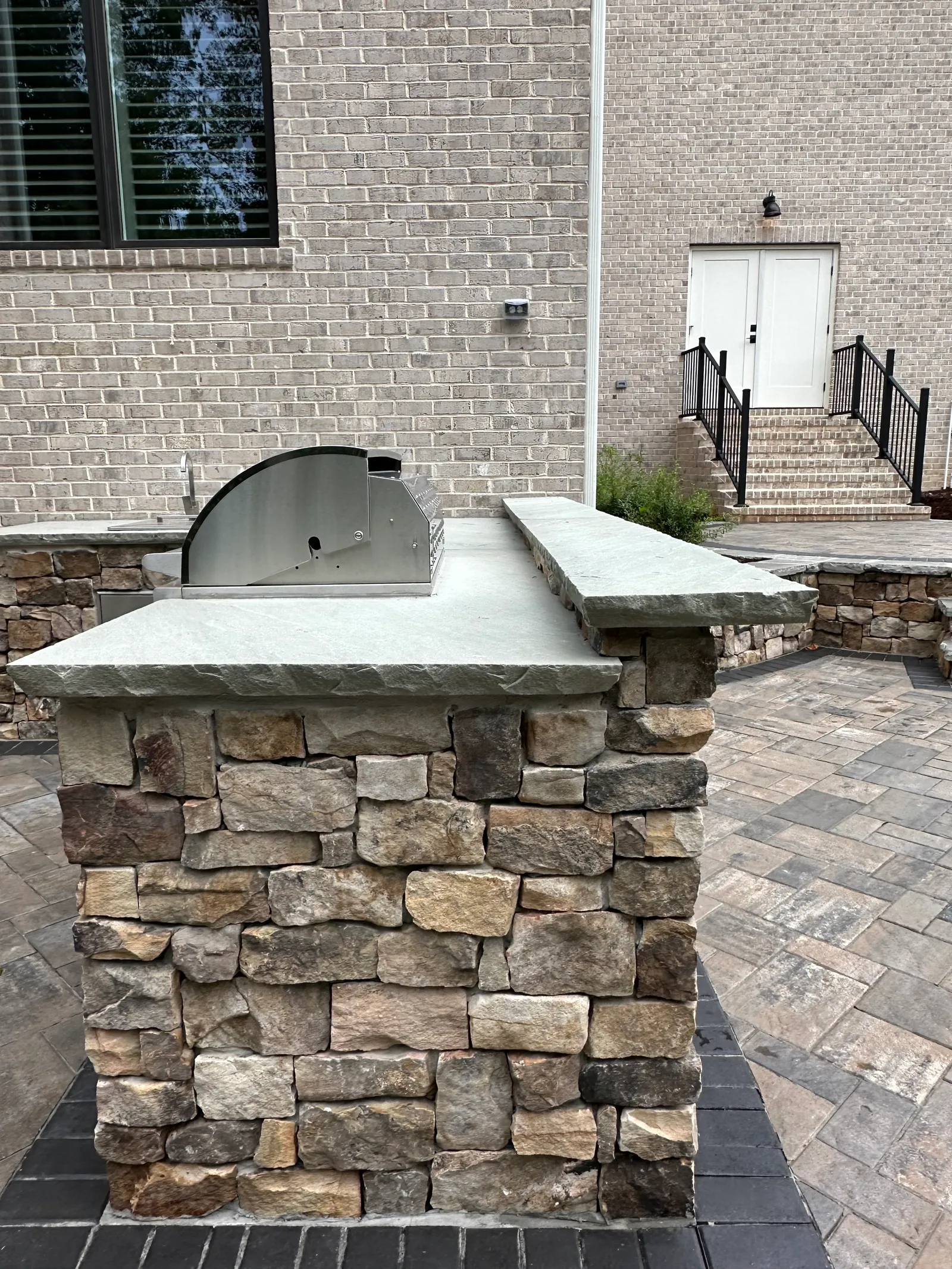
Outdoor Kitchen Planning Checklist for Upstate SC
September 19, 2026
Use this outdoor kitchen planning checklist to shape a practical Upstate SC space for cooking, gathering, and easy year-round enjoyment with your family.
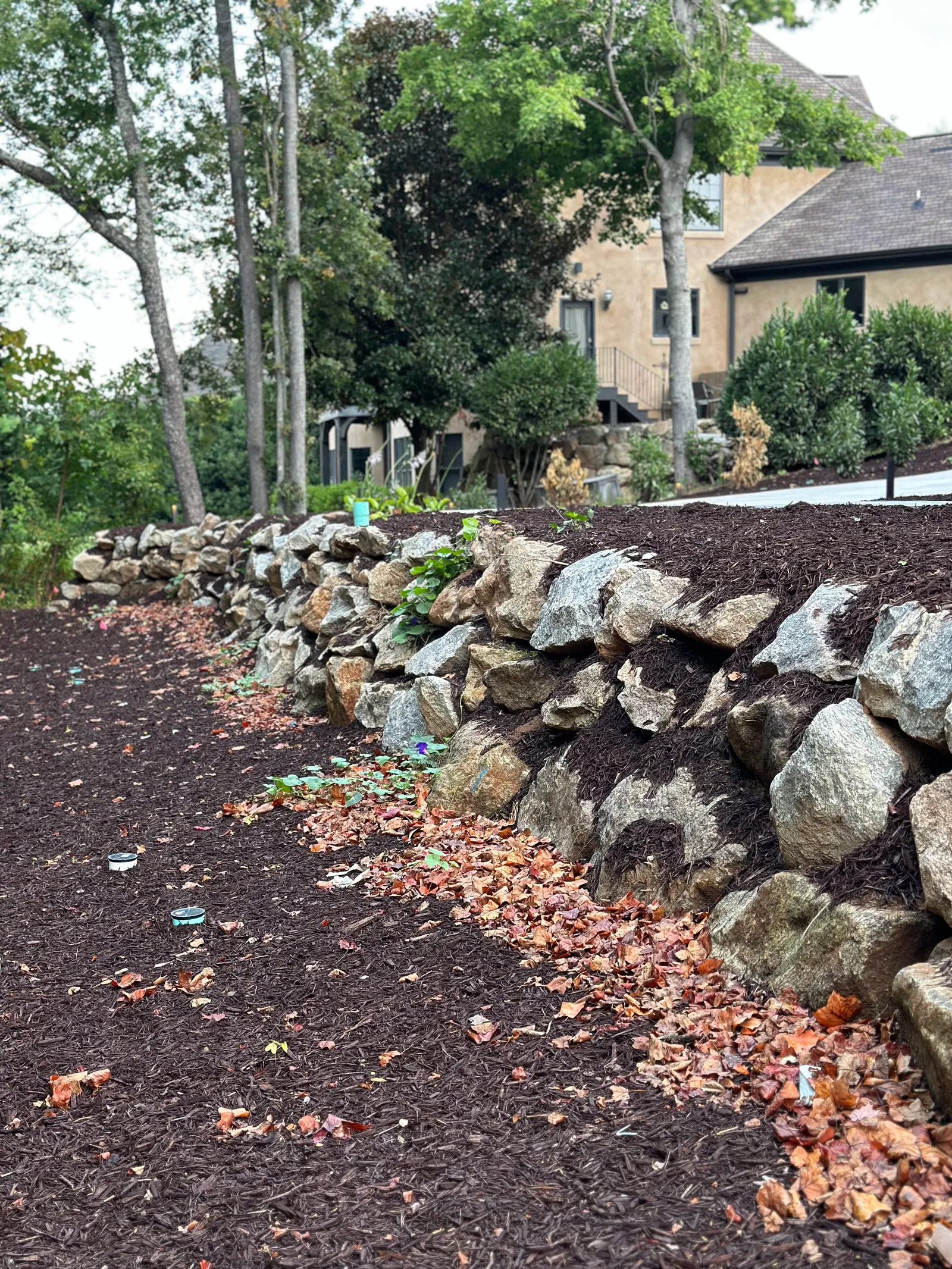
12 Best Low Maintenance Landscape Ideas for Yards
September 15, 2026
See the best low maintenance landscape ideas for Upstate SC homes, from durable patios to smarter planting plans that look polished with less weekend work.
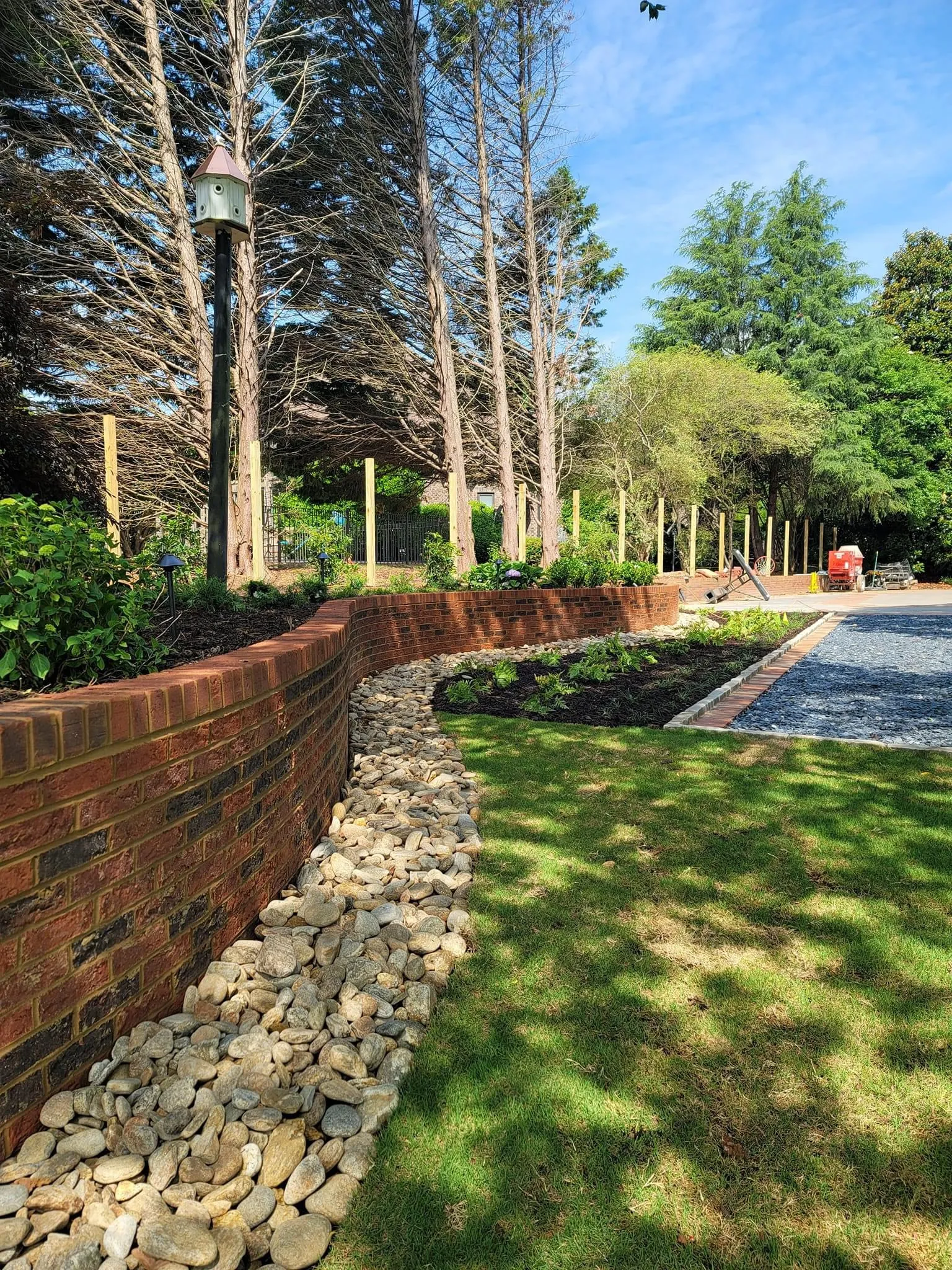
Upstate SC Landscape Renovation Guide for Yards
September 13, 2026
Use this Upstate SC landscape renovation guide to plan patios, planting, drainage, and outdoor living spaces built for lasting enjoyment at home daily.
Ready to start your project?
Tell us about your space and we'll follow up to schedule a consultation.