Design Tips
Turf Versus Sod: Which Is Right for Your Yard?
Turf versus sod: learn the real difference, compare cost, care, timing, and durability, and choose the right lawn solution for your Upstate SC yard now.
By Innova Hardscapes and Landscapes · Published September 11, 2026
A bare backyard rarely stays just a bare backyard. It becomes a muddy path from the patio to the gate, a dusty play area, or the unfinished space that keeps a new pool deck or firepit from feeling complete. The turf versus sod question matters because these terms are often used interchangeably, yet homeowners may be comparing two very different lawn solutions: natural grass sod and synthetic turf.
For Upstate South Carolina homeowners, the better choice depends on how the yard will be used, how much sun it receives, drainage conditions, maintenance expectations, and the rest of the outdoor design. A natural lawn can soften a patio, garden, or driveway with living color. Artificial turf can create a clean, consistently green surface where natural grass struggles. Both can look polished when planned and installed correctly.
Turf Versus Sod: Start With the Terms
Technically, turf is a broad term for a surface covered with grass. It can describe an established natural lawn, rolls of harvested grass, or artificial turf depending on the conversation. Sod is specifically live grass that has been grown on a farm, cut with a layer of soil and roots, and installed in pieces or rolls.
That distinction creates confusion. Someone may say they want “turf” when they mean artificial turf. Another homeowner may ask for “sod” when they simply want a healthy green lawn as soon as possible. For practical planning, it helps to compare the two options clearly:
- Sod is living grass with roots that must establish in your soil.
- Artificial turf is a manufactured grass-like surface installed over a prepared aggregate base.
If you are choosing between sod and artificial turf, the decision is less about which one is universally better and more about which one fits your property and lifestyle.
When Natural Sod Is the Better Fit
Sod offers the immediate appearance of a finished lawn while preserving the cooling, living character of real grass. Once properly installed, watered, and established, it gives a yard a natural softness that works especially well around garden beds, shade trees, and traditional landscape designs.
For many homes in Greenville, Greer, Simpsonville, and throughout Upstate SC, warm-season sod is the practical choice. Bermuda is durable and handles full sun, making it a strong option for active family yards. Zoysia has a dense, refined appearance and generally feels more cushioned underfoot, though it can establish more slowly. Centipede is often selected for its lower fertility needs, but it needs the right soil conditions and is less tolerant of heavy traffic.
Sod is especially worthwhile when you have a larger lawn area that receives adequate sunlight and will be used as a true lawn. Children can play on it, pets can use it, and the surface stays cooler than synthetic material during a hot South Carolina afternoon. It also allows rainwater to move naturally through the lawn when the soil has been properly graded and prepared.
The trade-off is care. Fresh sod needs consistent watering during the establishment period, and every natural lawn needs mowing, seasonal fertilization, weed management, and occasional attention to pests or disease. Shade, compacted clay soil, and poor drainage can make that care more demanding. Installing beautiful sod over an unresolved drainage problem simply covers the problem for a while.
Sod Installation Is More Than Rolling Out Grass
A finished-looking sod lawn begins below the surface. The site should be cleared of debris and old vegetation, shaped to direct water away from the home, and prepared with suitable topsoil where needed. Sod seams should be fitted tightly, then rolled to improve root-to-soil contact.
The first few weeks are decisive. New sod cannot rely on a deep root system, so it needs moisture at the root zone without becoming waterlogged. Foot traffic should be limited until the roots begin to anchor. A professional installation plan also accounts for irrigation coverage, edging, mulch beds, and transitions between lawn and hardscape so the property looks intentional rather than pieced together.
When Artificial Turf Makes More Sense
Artificial turf offers a different kind of value: a green, low-maintenance surface that does not require mowing, watering, fertilizing, or seasonal reseeding. It is often the smarter choice for compact spaces, difficult side yards, pet runs, putting areas, and locations where shade or heavy use makes natural grass unreliable.
A small backyard in Mauldin or Travelers Rest, for example, may have a beautiful patio, retaining wall, and mature trees but too little direct sun for a dependable lawn. Rather than repeatedly replacing thin grass, artificial turf can provide the finished green element that connects the hardscape and landscape. Around pool areas, it can eliminate muddy patches that are regularly tracked onto the deck.
The best artificial turf projects do not look like a green carpet laid over dirt. They begin with excavation, a stable compacted base, proper drainage, secure edging, and thoughtful seaming. For pet areas, the system may also include odor-control infill and a drainage approach designed for regular rinsing. Material selection matters, too. Blade shape, color variation, pile height, and infill all affect how natural the finished surface looks and how it performs.
Artificial turf is not maintenance-free, but its maintenance is lighter and different. Leaves, pollen, and debris still need to be removed. The fibers may need periodic brushing in high-traffic areas, and pet areas need cleaning. It can also become noticeably warmer in direct summer sun than natural grass. That is a real consideration for homes with children, pets, or south-facing entertaining spaces.
Compare the Cost Beyond Installation Day
Sod usually costs less upfront than a quality artificial turf installation, particularly across a large, open lawn. However, its long-term cost includes water, mowing equipment or lawn service, fertilizer, treatments, and periodic repairs. The exact amount depends on grass type, site conditions, and the level of care you expect.
Artificial turf has a higher initial investment because the labor and base preparation are significant. Over time, it can reduce routine lawn expenses and save hours of weekly maintenance. It is not automatically the economical answer for every yard, though. Installing synthetic turf across an entire sunny, well-suited lawn may be difficult to justify when healthy sod would perform well at a lower starting cost.
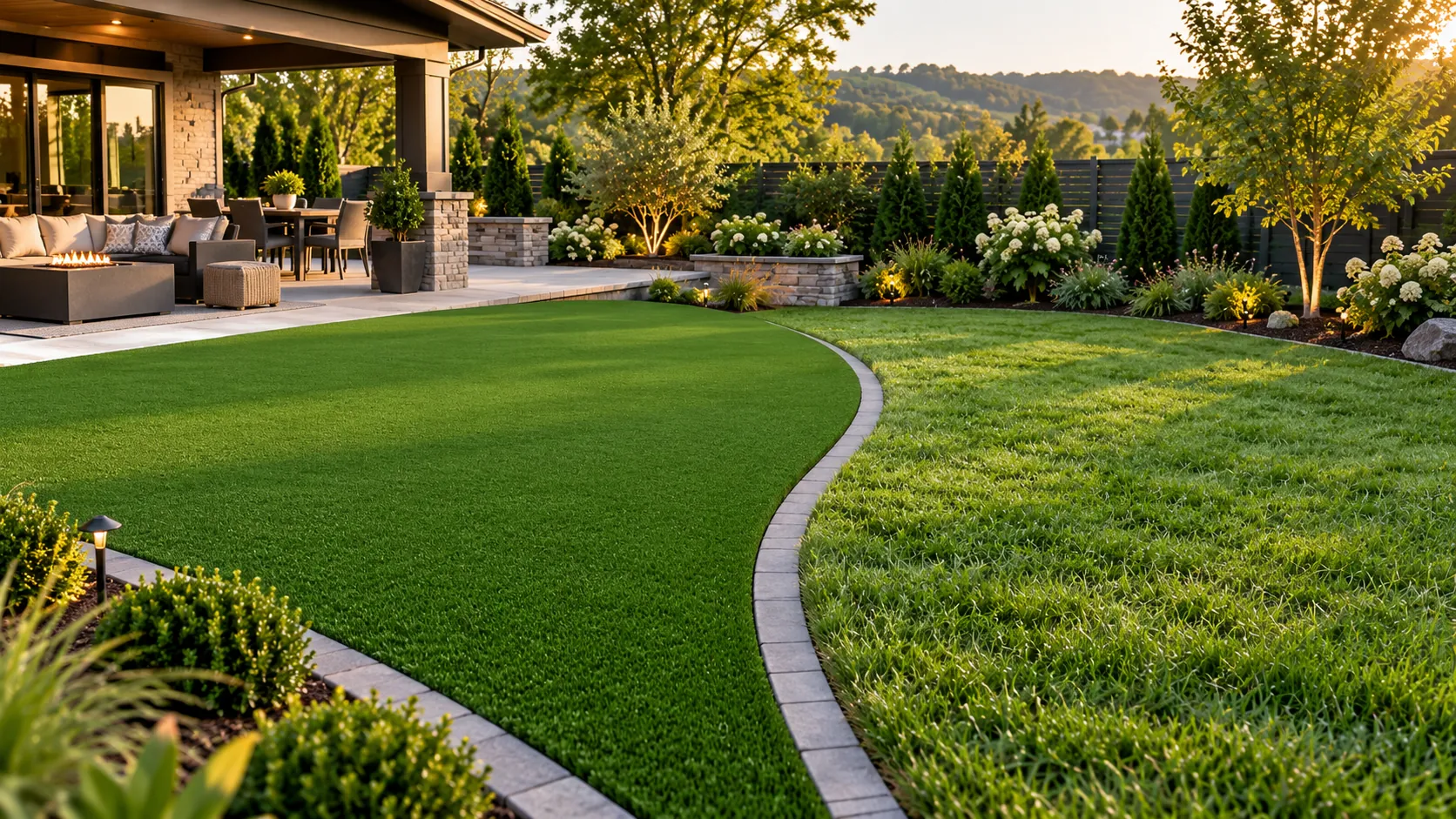
A blended design is often the most thoughtful answer. Natural sod can cover the main play lawn, while artificial turf solves a shaded corridor, a pet zone, or the narrow strip between a paver patio and a fence. This approach uses each material where it performs best and avoids forcing one solution onto every part of the property.
Drainage and Sun Should Lead the Decision
Before selecting a grass variety or artificial turf product, look at the conditions that will shape the result. How many hours of direct sun does the area receive? Does water stand after a heavy rain? Are downspouts discharging into the lawn? Will people regularly walk the same route from the driveway to the backyard?
In Upstate South Carolina, clay-heavy soils and strong seasonal rain can expose weak grading quickly. A lawn may fail because water is collecting near a patio edge, not because the sod was poor quality. Likewise, artificial turf can develop odors, shifting, or drainage issues if it is installed over an inadequate base.
This is where landscape and hardscape planning should work together. Proper grading, drainage routes, edging, and patio elevations protect the investment on both sides of the decision. A well-built outdoor space should guide people comfortably through the yard, keep water moving where it belongs, and make every surface look finished.
Choosing the Right Surface for How You Live Outside
Choose sod if you want the feel and cooling benefit of real grass, have enough sun, and are comfortable maintaining a living lawn. It is a strong fit for broad yards, garden-centered designs, and family spaces where natural turf can grow successfully.
Choose artificial turf if you want a consistently green appearance with less weekly upkeep, need to solve a shade or traffic problem, or are creating a purpose-built area for pets, play, or recreation. It is especially effective when used strategically around patios, pools, outdoor kitchens, and other hardscape features.
For homeowners planning a larger transformation, Innova Hardscapes and Landscapes can help evaluate the entire site rather than treating the lawn as an afterthought. The goal is not simply to install green material. It is to create an outdoor destination that works in every season, from the drainage beneath the surface to the patio, planting beds, and lawn you see from the back door.
A good lawn choice should make your property easier to enjoy. Walk the yard after rain, notice where the sun stays longest, and picture how your family actually uses the space. Those details will point you toward a surface that looks distinguished on installation day and continues to serve your home well.
Related Services
Drainage Solutions
Solves standing water and erosion issues before they damage anything else on the property.
Artificial Turf
A consistently green, low-maintenance lawn alternative for problem areas or busy households.
Landscape Design
Thoughtful planning that considers how you’ll actually use the space, not just how it photographs.
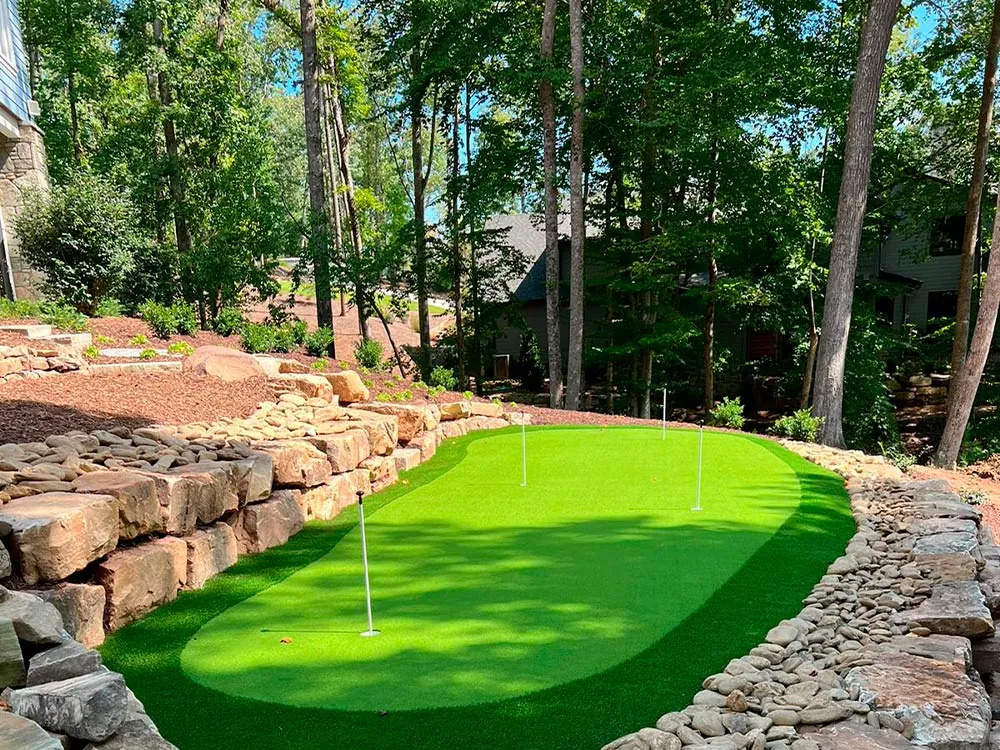
Related Articles
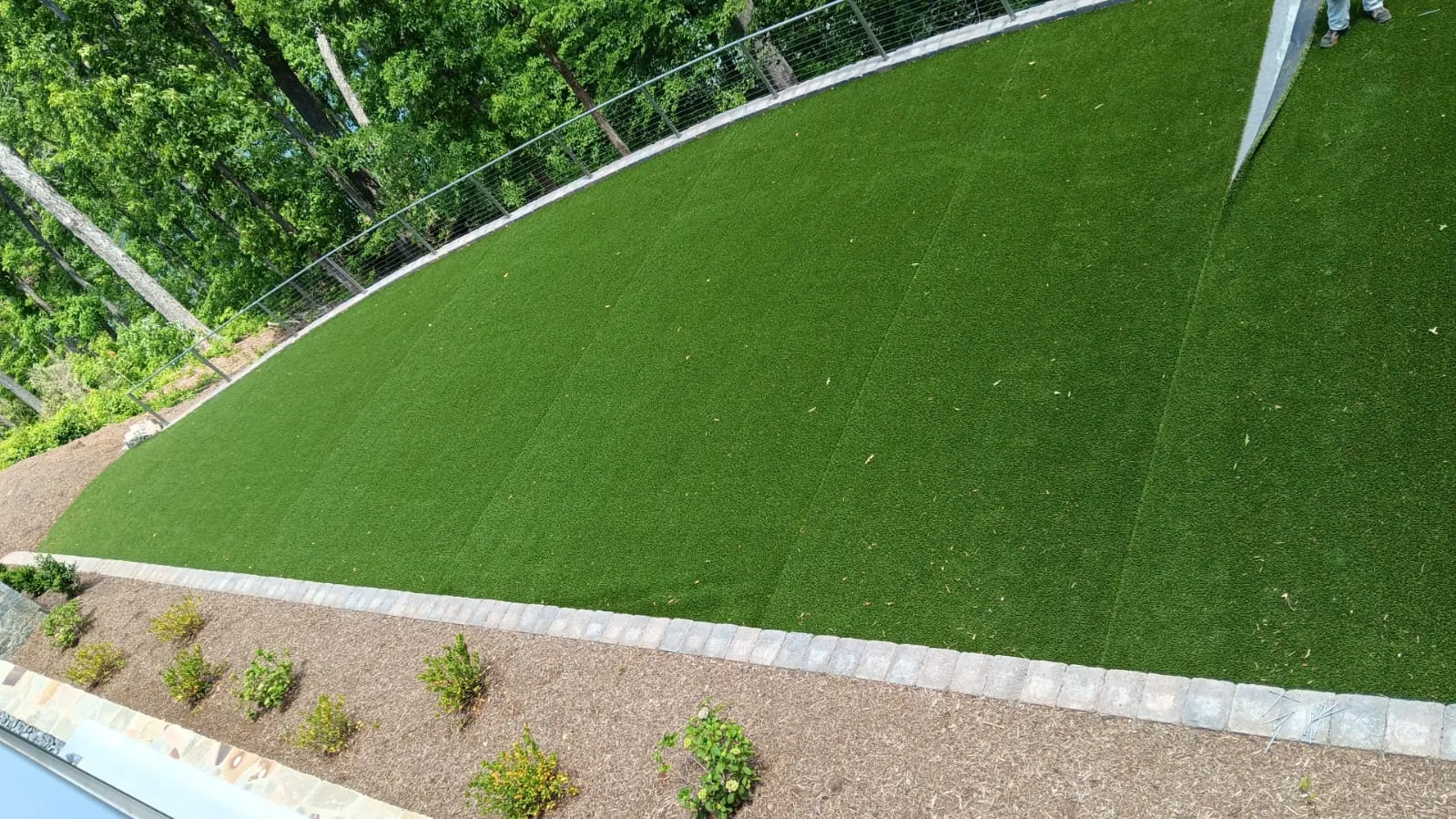
A Homeowner's Guide to Planning Artificial Turf
September 3, 2026
Plan artificial turf installation for an Upstate SC yard with proper drainage, durable materials, and a polished finish built for daily living year-round.
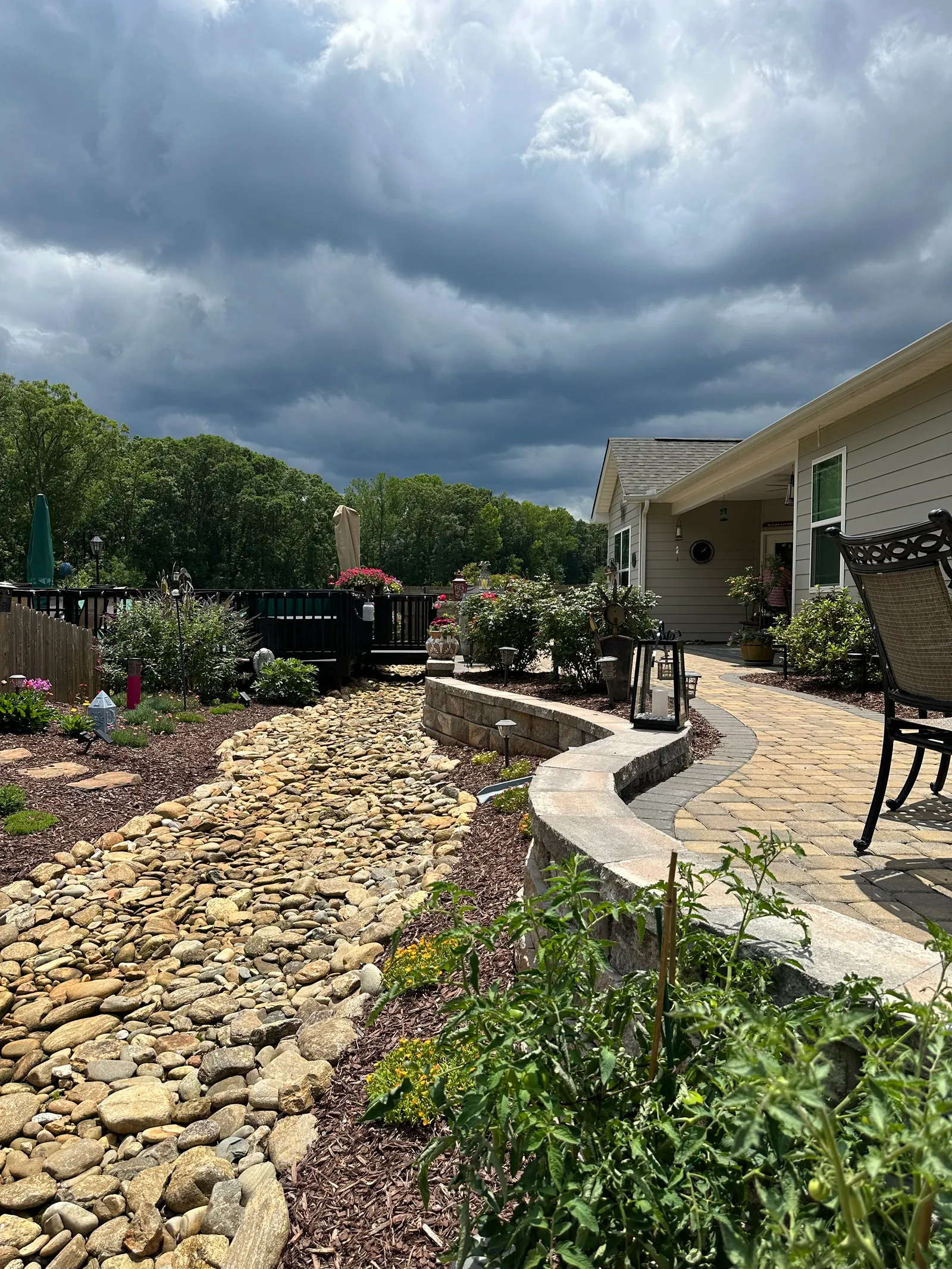
Landscape Drainage That Protects Your Yard
August 26, 2026
Landscape drainage protects your Upstate SC home from soggy lawns, erosion, and foundation runoff with a plan built for your property, soil, and lifestyle.
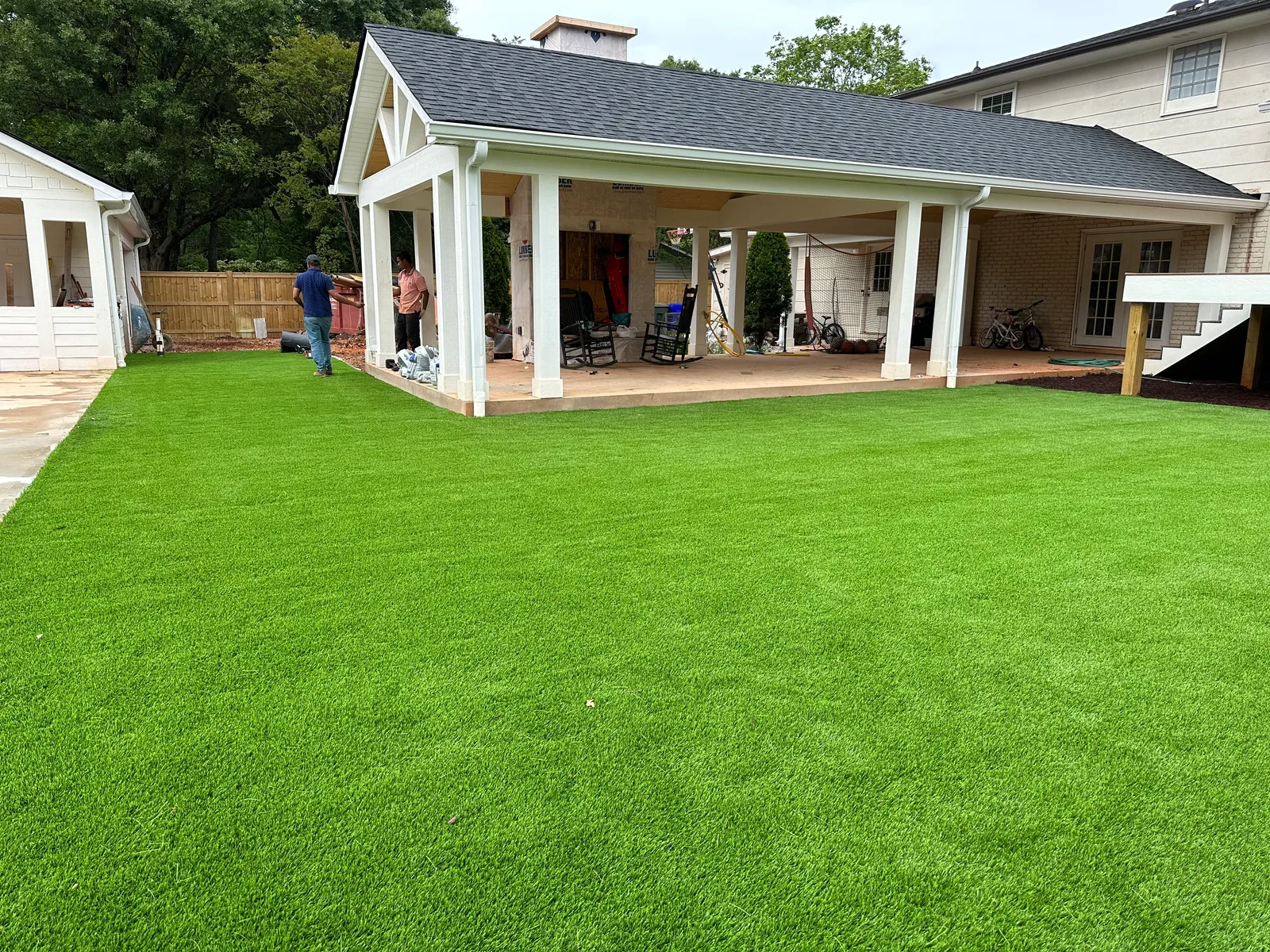
Artificial Turf Installation in Greenville, SC: Site Prep and Base Work
August 9, 2026
See what a quality artificial turf installation in Greenville, SC involves below the surface: grading, base depth, edges, seams, and long-term care.
Ready to start your project?
Tell us about your space and we'll follow up to schedule a consultation.