
Design Tips
A Homeowner's Guide to Planning Artificial Turf
Plan artificial turf installation for an Upstate SC yard with proper drainage, durable materials, and a polished finish built for daily living year-round.
By Innova Hardscapes and Landscapes · Published September 3, 2026
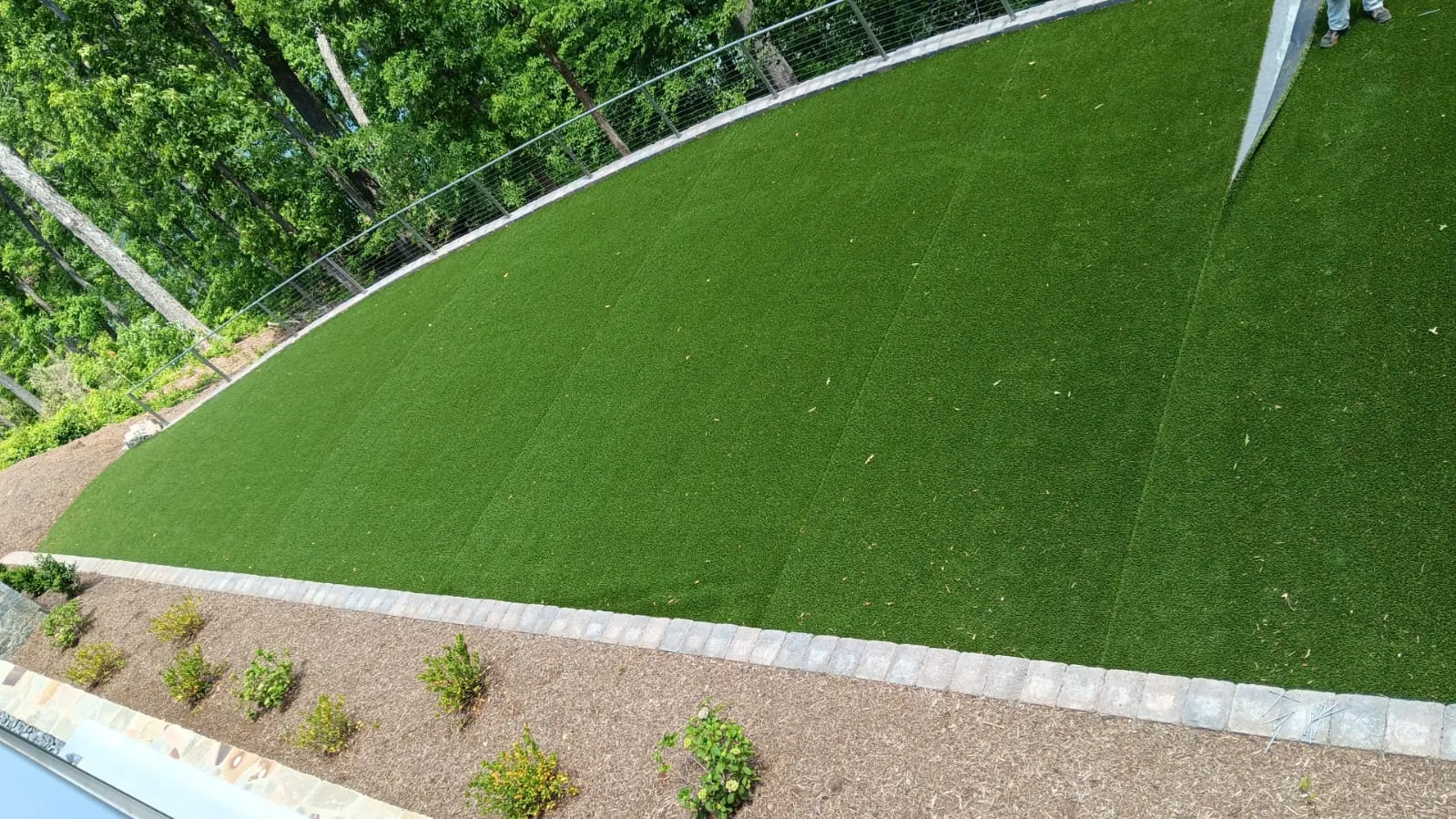
A beautiful green lawn should make an outdoor space feel finished, not create another weekend obligation. For many homeowners, artificial turf installation offers a practical way to replace thin grass, muddy traffic paths, and difficult-to-mow areas with a clean, usable surface that holds its appearance through every season. The result can be especially valuable in Upstate South Carolina, where humid summers, heavy rain, red clay, shade, and active family life can make natural turf difficult to maintain.
Artificial turf is not the right choice for every inch of every yard. But when it is planned around drainage, sun exposure, surrounding materials, and how your family uses the space, it can become a polished part of a larger outdoor destination.
Where Artificial Turf Installation Makes the Biggest Difference
The strongest artificial turf projects begin with a specific problem to solve. A small backyard that stays muddy after rain, a narrow side yard where grass will not grow, or a poolside area that collects clippings are all common examples. Turf can also give homeowners a dependable play area for children and pets without the bare patches that often develop beneath swings, trampolines, and frequent foot traffic.
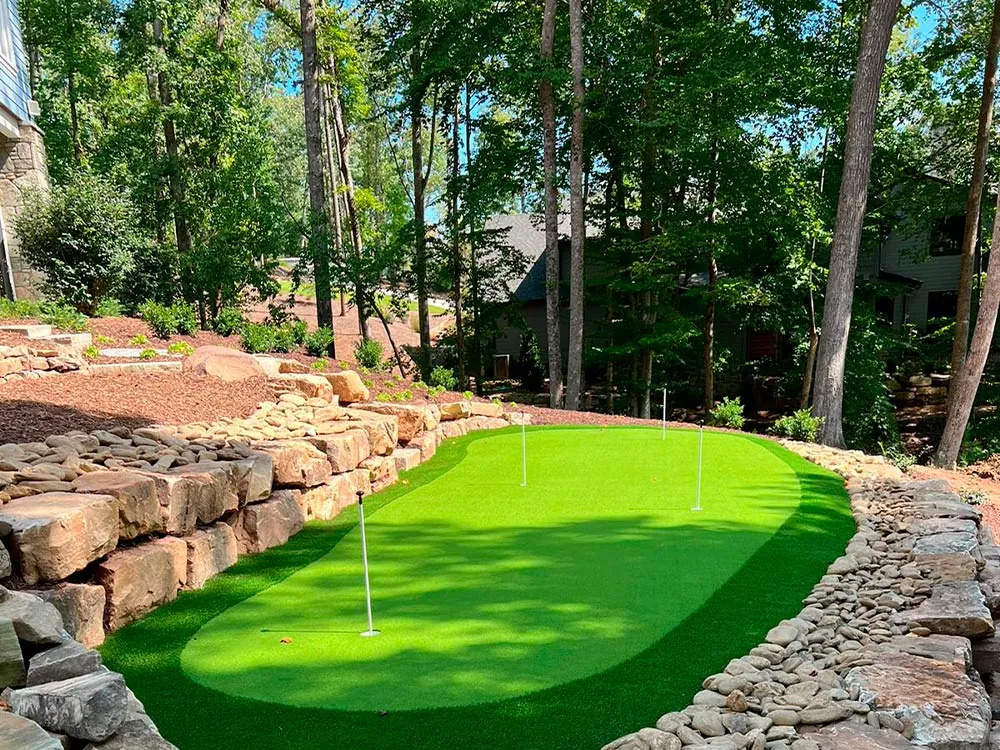
In Greenville, Greer, Simpsonville, and other growing Upstate communities, homeowners are also using turf to make compact outdoor areas feel more intentional. A well-designed turf section can soften the hard edges of a paver patio, frame a firepit area, create a putting green, or provide a clean transition between a pool deck and planted beds. It brings the visual calm of a lawn without requiring irrigation, mowing, fertilizing, or regular reseeding.
The key is to treat turf as one material within the overall landscape, not a replacement for every living element. Native plants, shrubs, trees, stone, brick pavers, and mulch beds still add texture, shade, seasonal color, and character. A balanced design gives the yard both structure and life.
The Foundation Matters More Than the Turf
The most visible part of artificial turf installation is the finished green surface. The part that determines whether it performs well for years is underneath it. Shortcuts in excavation, grading, and base preparation can lead to wrinkles, uneven areas, standing water, or edges that pull away over time.
Upstate SC properties frequently have clay-heavy soil. Clay can hold water and become unstable when saturated, so drainage needs to be evaluated before work begins. A professional installer should look at the yard’s existing slope, nearby downspouts, low spots, retaining walls, patios, and the direction water moves during a heavy storm. In some cases, turf can follow a carefully corrected grade. In others, drainage rock, a channel drain, or another water-management solution may be needed first.
After the area is excavated, a compacted aggregate base provides stability and allows water to move through the system. The depth of that base depends on the site and intended use. A decorative side yard has different demands than a pet run, backyard play area, or putting green. Proper compaction is equally important. A base that looks level but is not adequately compacted may settle later, leaving the surface uneven.
A weed barrier may be appropriate depending on the site, although it is not a substitute for good base construction. The turf is then fitted, secured around the perimeter, and joined with careful attention to grain direction. If multiple pieces are used, seams should be positioned where they are least visible and installed precisely enough to avoid obvious lines across the lawn.
Choosing Turf for How You Actually Live
Artificial grass is not a single product category. Pile height, blade shape, color variation, backing quality, drainage rate, and face weight all affect how turf looks and performs. Selecting a product based only on a small showroom sample can lead to disappointment once it covers an entire yard.
For a refined front-yard accent or low-traffic landscape feature, a softer, fuller turf may provide the appearance homeowners want. For areas where kids play or dogs run, durability and drainage usually matter more than maximum softness. Pet-focused turf should allow urine to drain efficiently and be paired with an infill system that helps control odor. A putting green requires a different turf profile and base contour so the ball rolls consistently.
Heat is another factor worth discussing. Synthetic surfaces can become hot in direct summer sun, particularly around pools or in open yards in Mauldin, Easley, or Anderson. Shade from trees, pergolas, or umbrellas can improve comfort, but trees also introduce leaves and debris. Some homeowners reserve turf for areas with partial shade or use it in combination with cooler pavers, planting beds, and natural grass. On very hot days, a quick rinse with a hose can lower surface temperature before children or pets use the space.
Artificial Turf and Drainage Around Pools and Patios
Turf is often most effective when it complements hardscaping. Around a pool, it can reduce the amount of mowing and limit grass clippings tracking into the water. Between paver sections, it can add color and soften a large paved area. Along a patio edge, it can create a clean landing zone for lounge chairs, games, or outdoor entertaining.
These applications require special attention to elevation. Turf should meet patios, coping, and walkways at a finished height that looks intentional and does not create a trip edge. Water must continue to flow away from the house and avoid collecting against pool structures, outdoor kitchens, or retaining walls. A project that combines turf with a patio or pool deck benefits from one coordinated plan instead of separate installations that compete for space and drainage.
This is also where material transitions make a noticeable difference. Steel edging, paver borders, stone bands, and carefully designed planting beds give turf a crisp boundary. Without definition, even quality turf can look like an afterthought. With the right edges and proportions, it becomes part of a distinguished outdoor room.
What Maintenance Does Artificial Turf Need?
Artificial turf is low maintenance, not no maintenance. Leaves, pine needles, soil, and pollen will still accumulate, especially on wooded lots in Taylors and Travelers Rest. A leaf blower, plastic rake, or stiff turf brush can keep the fibers upright and the surface clear. Avoid metal tools that may damage the backing.
Pet owners should remove solid waste promptly and rinse the area as needed. For persistent odor, use a turf-safe enzyme cleaner rather than household chemicals that may leave residue or harm nearby plants. If a section becomes compacted after heavy use, brushing the fibers against the grain can refresh its appearance.
Occasional inspections are worthwhile. Check edges, seams, and drainage performance after major storms. Addressing a loose edge or drainage concern early is far simpler than allowing water or repeated traffic to create a larger problem.
Planning the Right Scope for Your Yard
A thoughtful consultation should begin with more than square footage. The conversation should cover who uses the yard, whether pets are involved, how much sun the area receives, and how the space connects to the rest of the property. Homeowners should also consider the view from inside the house. A turf area that looks excellent from the patio but disrupts sightlines from the kitchen may need a different shape or a planted border.
Budget will vary based on excavation needs, drainage corrections, access to the backyard, turf selection, edging, and whether the project is part of a larger landscape or hardscape transformation. An open, level yard with easy equipment access is typically more straightforward than a steep or enclosed property requiring extensive grading and hand work. Clear planning helps ensure the investment goes toward the details that matter most for long-term performance.
For homeowners who want a polished result, Innova Hardscapes and Landscapes approaches turf as part of the complete outdoor environment. The goal is not simply to cover ground. It is to create a clean, functional area that fits the property, supports everyday use, and complements patios, gardens, fire features, and other improvements already in place.
The best artificial turf installation should feel natural to the way you live outdoors. Whether it creates a mud-free place for the dog, a low-maintenance poolside retreat, or a finished lawn beside a new patio, careful site preparation and thoughtful design turn a difficult patch of yard into a space you can enjoy more often.
Related Services
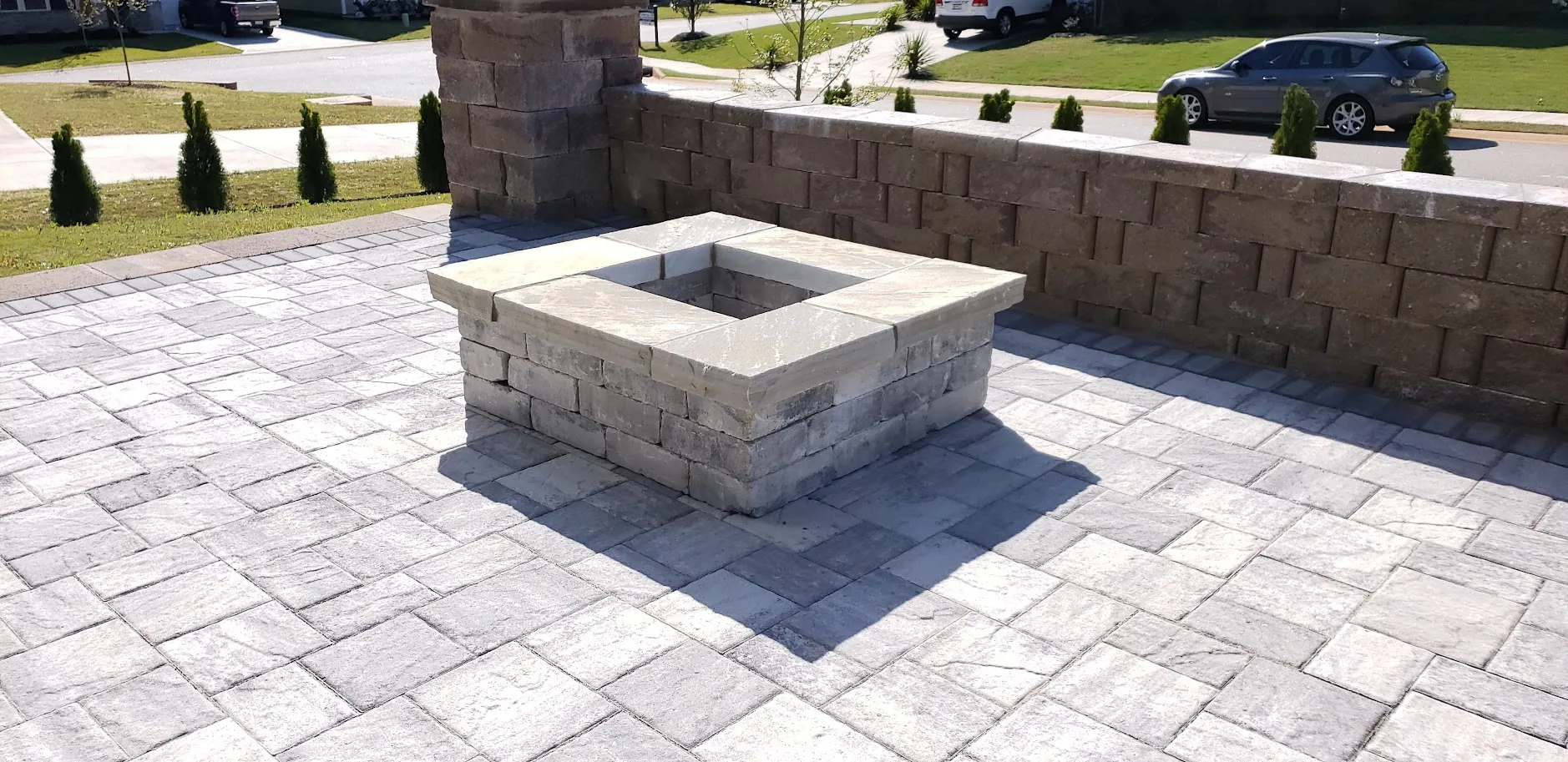
Artificial Turf
A consistently green, low-maintenance lawn alternative for problem areas or busy households.
Drainage Solutions
Solves standing water and erosion issues before they damage anything else on the property.
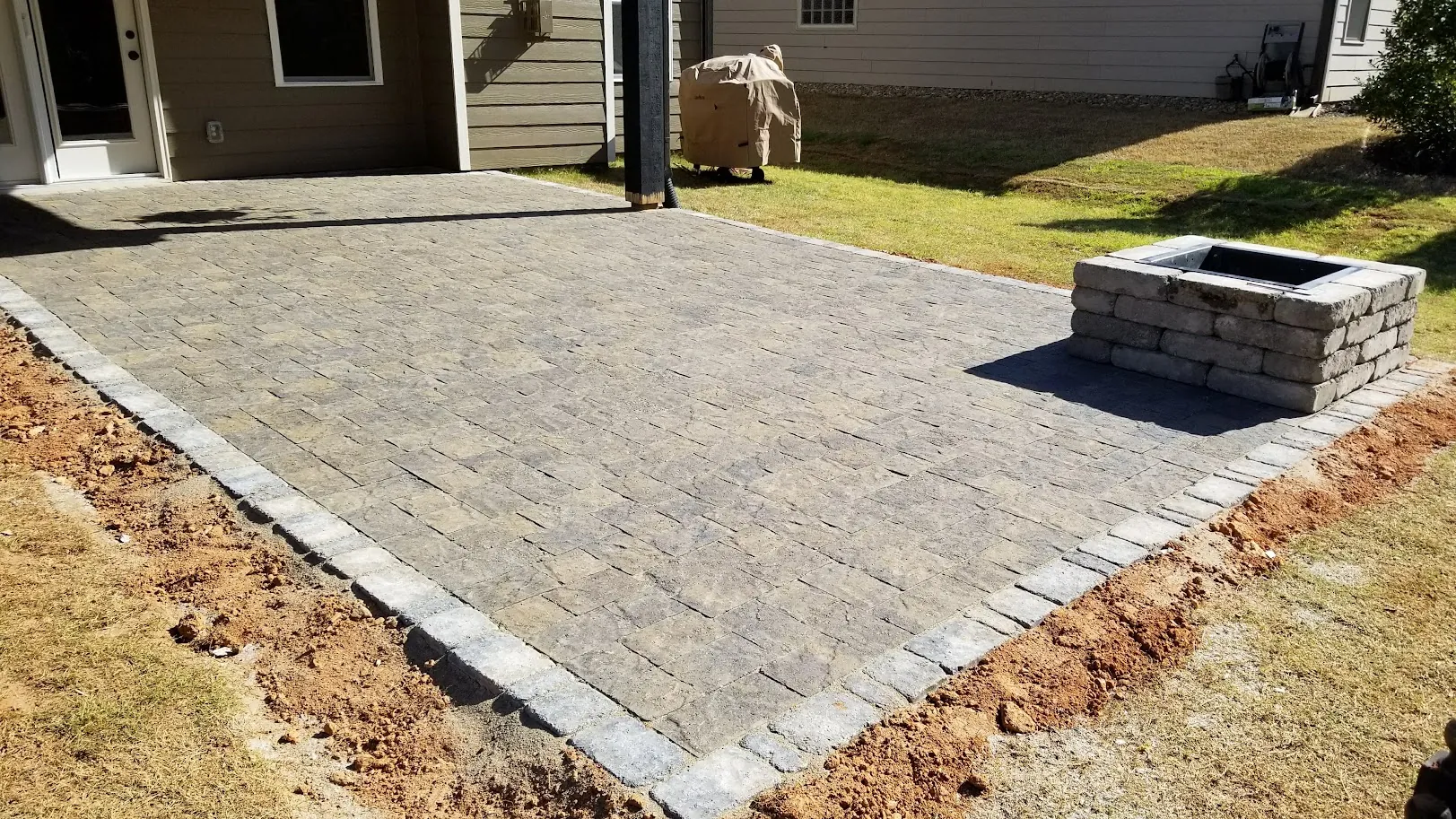
Patios
Durable, precisely-laid patios built on a proper base — the difference shows up years later, not on day one.
Related Articles
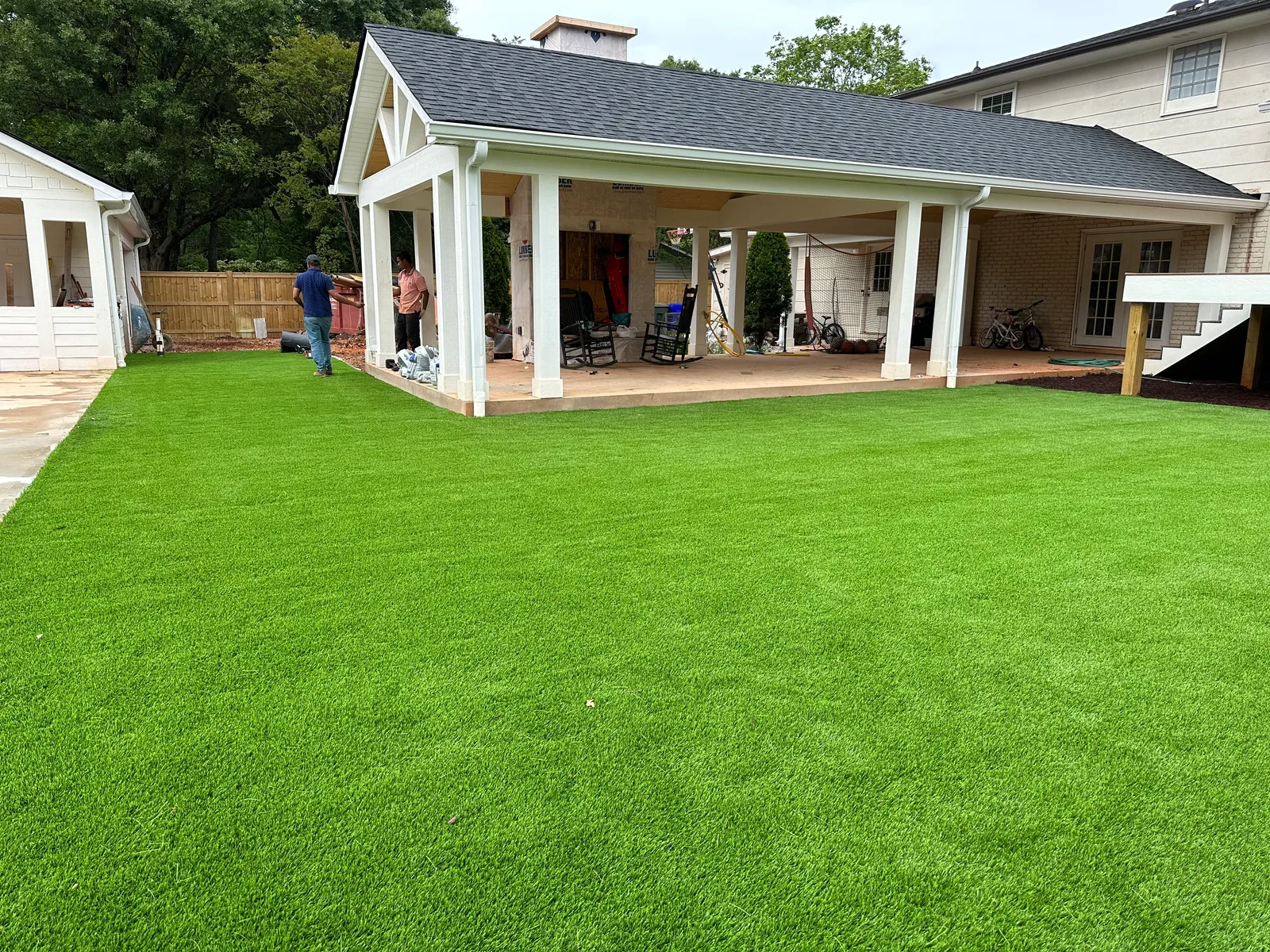
Artificial Turf Installation in Greenville, SC: Site Prep and Base Work
August 9, 2026
See what a quality artificial turf installation in Greenville, SC involves below the surface: grading, base depth, edges, seams, and long-term care.
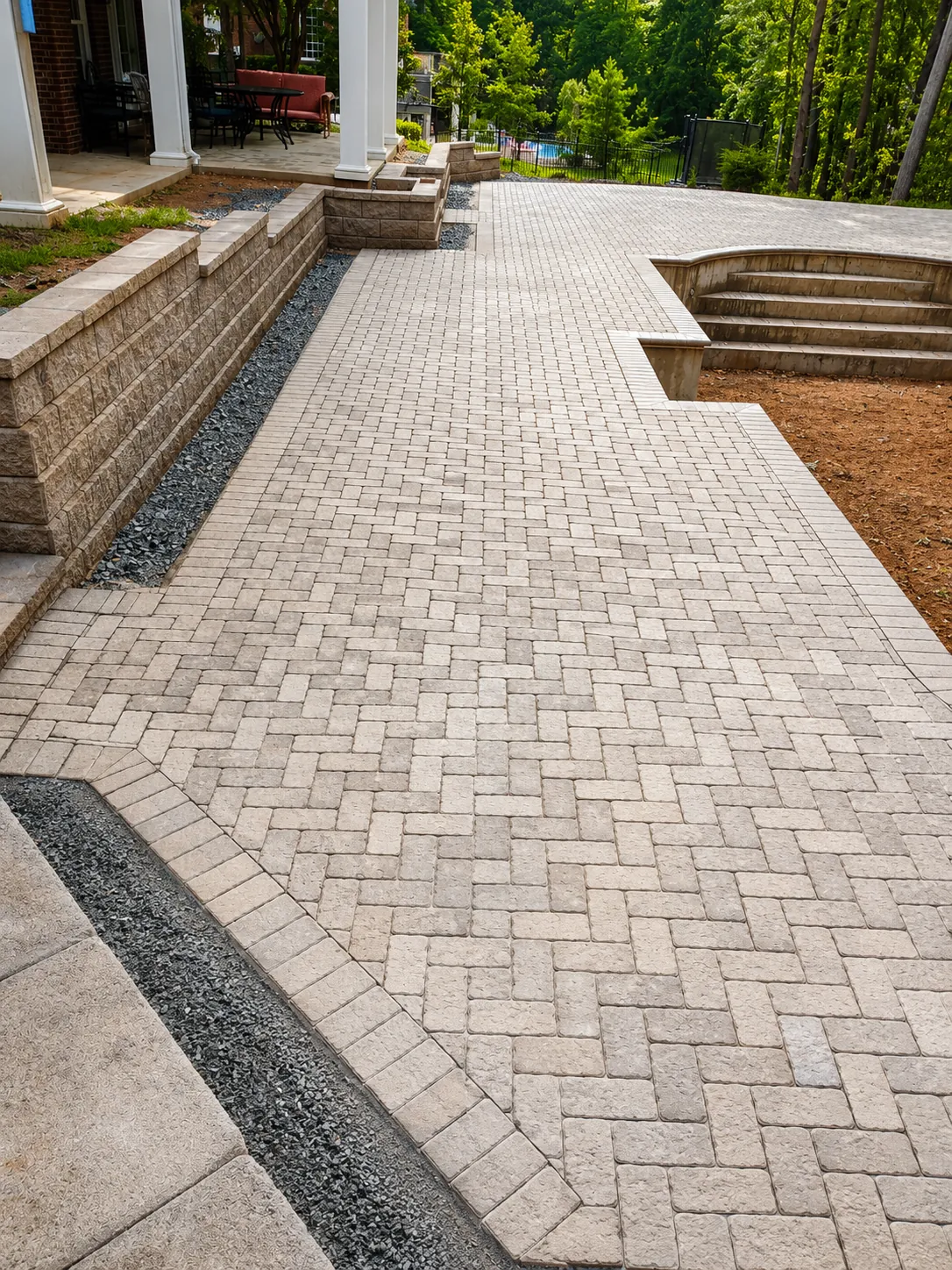
Can Patios Increase Home Value in Upstate SC?
September 23, 2026
Can patios increase home value? A well-designed patio can improve buyer appeal, daily living, and resale potential for Upstate South Carolina homes alike.
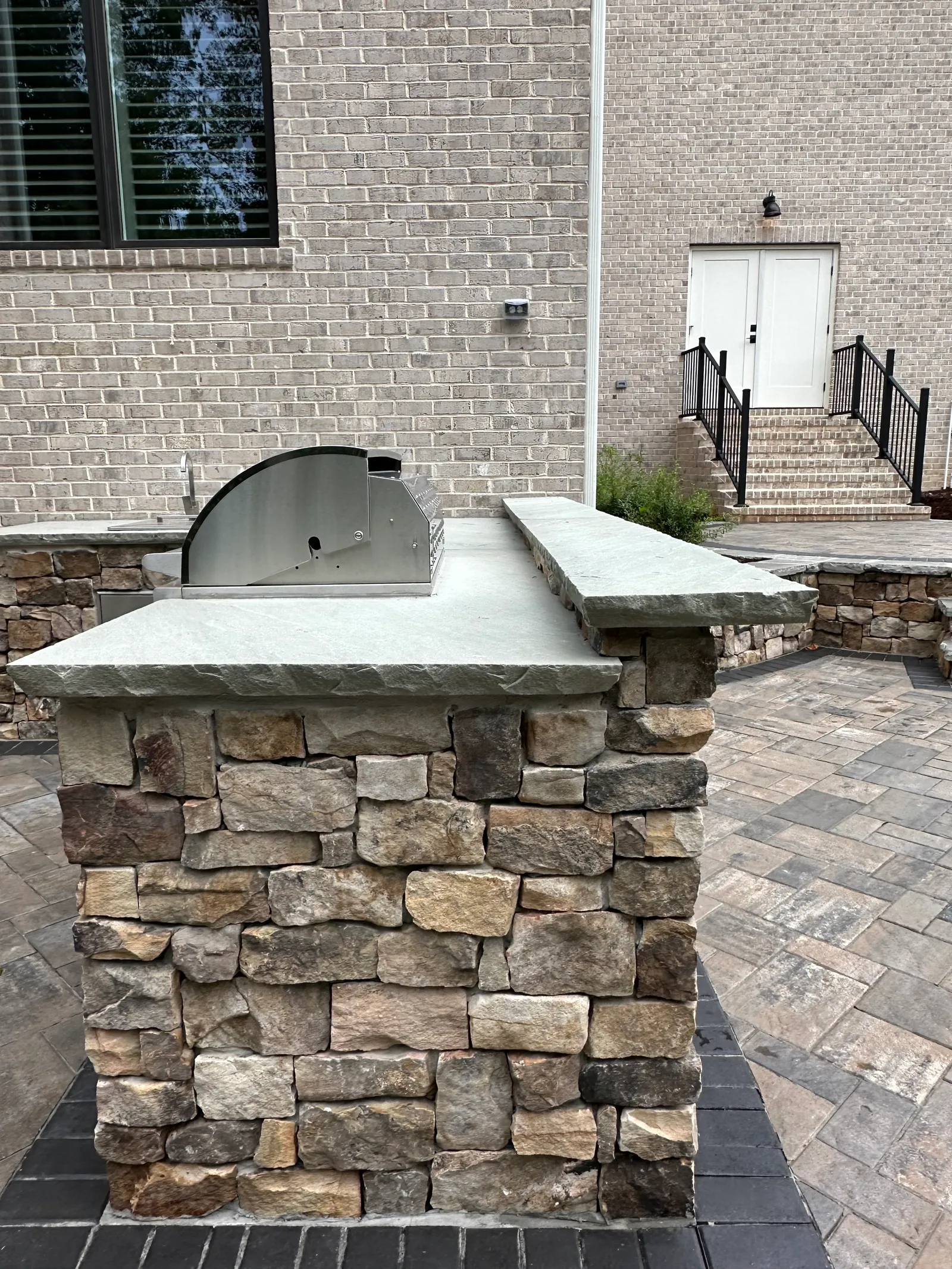
Outdoor Kitchen Planning Checklist for Upstate SC
September 19, 2026
Use this outdoor kitchen planning checklist to shape a practical Upstate SC space for cooking, gathering, and easy year-round enjoyment with your family.
Ready to start your project?
Tell us about your space and we'll follow up to schedule a consultation.