
Design Tips
Artificial Turf Installation in Greenville, SC: Site Prep and Base Work
See what a quality artificial turf installation in Greenville, SC involves below the surface: grading, base depth, edges, seams, and long-term care.
By Innova Hardscapes and Landscapes · Published August 9, 2026
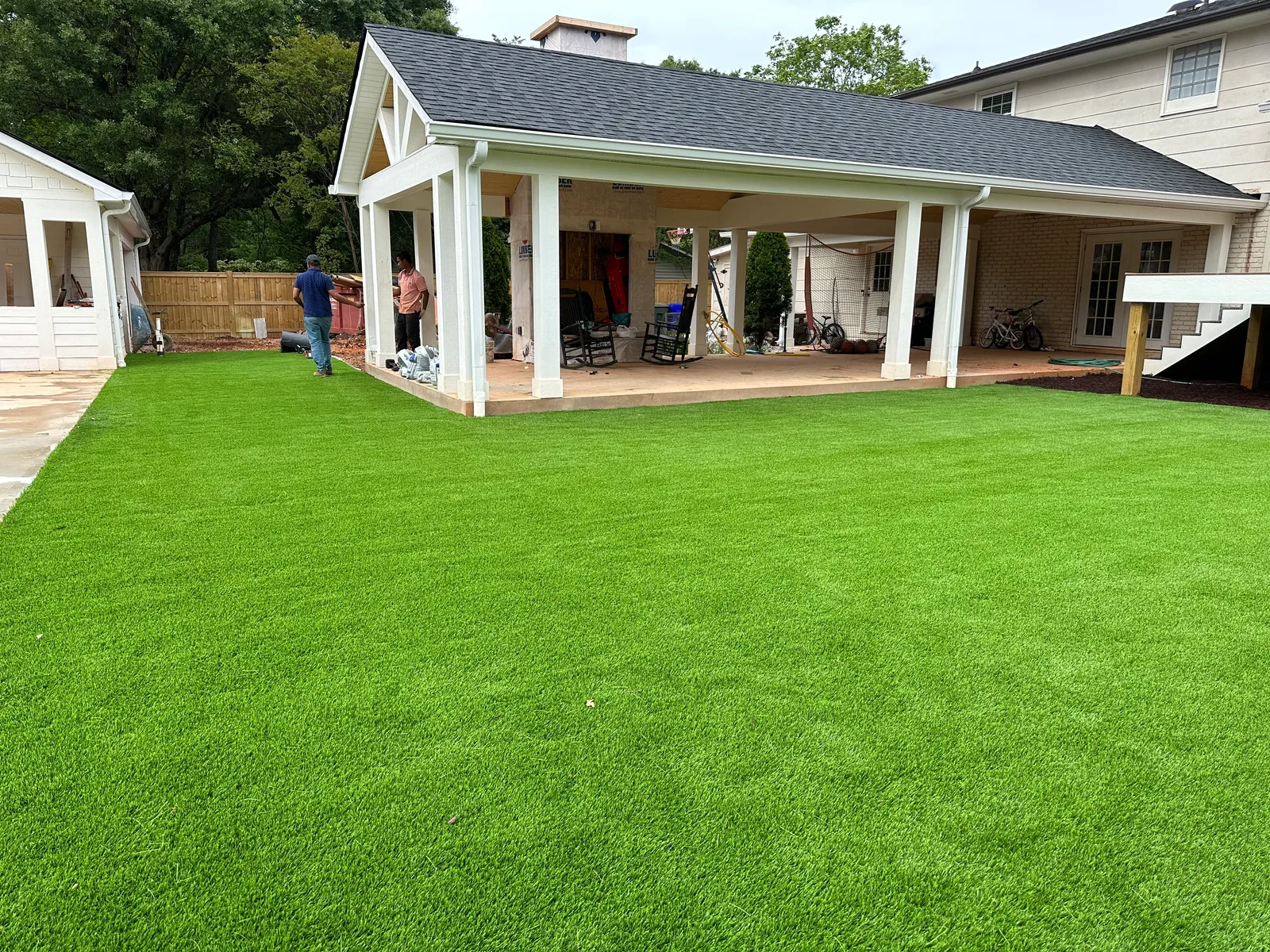
A muddy strip beside the patio, a worn path from the back door to the pool, or a shaded lawn that never fills in can make an otherwise beautiful yard feel unfinished. Artificial turf installation Greenville SC homeowners choose for those problem areas can create a clean, green surface without the weekly mowing, watering, and patch repair that natural grass often demands.
The result should not look like a carpet dropped into the landscape. A well-planned installation complements patios, paver walkways, garden beds, retaining walls, pool decks, and outdoor living areas. It gives the property a polished appearance while solving a specific usability problem - whether that is a low-maintenance play zone, a pet-friendly run, or a lawn that stays presentable through busy weekends.
When Artificial Turf Makes Sense in Upstate SC
Natural grass has a place in many Upstate South Carolina yards, especially where there is good sun, enough room to grow, and homeowners enjoy lawn care. Artificial turf is often the better fit when growing conditions or everyday use work against a traditional lawn.
Heavy shade is one common reason. Mature trees create welcome relief from summer heat, but they can also limit the sunlight grass needs to thrive. Sloped sections, narrow side yards, and high-traffic routes can present similar challenges. Instead of repeatedly reseeding thin areas, homeowners can use turf to create a consistently finished surface.
It is also a practical option around pools and outdoor entertainment spaces. Turf does not turn into mud after a rainstorm, and it can soften the transition between a hard pool deck and planted landscape beds. For families in Greenville, Simpsonville, Greer, Taylors, and surrounding communities, that can mean less dirt tracked through the house and more time enjoying the backyard.
Still, artificial turf is not automatically the answer for every square foot of a property. Large open lawns may be more economical to keep natural, while a combination of grass, planting beds, pavers, and strategically placed turf often creates the most natural-looking result. The best design starts with how the yard is used, not with a one-size-fits-all material choice.
Artificial Turf Installation in Greenville SC Starts Below the Surface
The visible turf matters, but the foundation beneath it determines whether the finished area stays smooth, drains well, and performs as expected. Quality installation is a construction process, not simply a landscaping accessory.
Site preparation and grading
The existing surface must be excavated to allow room for the base, turf, and proper edge detailing. The installer then shapes the grade so water moves away from the home and does not collect beneath the finished surface. This step is especially important in the Upstate, where intense rain can expose shortcuts quickly.
A yard does not need to be perfectly flat to receive turf. In fact, a subtle, intentional slope is often necessary for drainage. What matters is that the surface is compacted and graded consistently, without low pockets that can cause shifting or standing water.
A stable, draining base
A compacted aggregate base provides structure beneath the turf. It supports foot traffic, helps the surface remain level, and allows water to pass through rather than pooling on top. The depth and composition of the base depend on the site, soil conditions, expected use, and nearby hardscape features.
For example, a small decorative courtyard has different needs than a pet area or a frequently used play space. A contractor should evaluate drainage, access, and the condition of existing soil before recommending a base system. This is where thoughtful planning protects both appearance and long-term value.
Edges, seams, and finishing details
Turf needs a clean, secure perimeter. Depending on the design, the edge may meet a paver border, concrete, steel edging, a retaining wall, or a planting bed. A defined edge prevents movement and gives the installation the crisp lines that make an outdoor space feel intentional.
Seams also deserve careful attention. When turf sections are aligned properly, the blades run in the same direction and the joined area disappears into the surface. Poor seam work is noticeable from across the yard, particularly in open areas with changing sunlight. Skilled finishing is what separates a surface that merely looks green from one that looks professionally integrated into the landscape.
Selecting Turf for the Way You Live
Artificial grass is available in different pile heights, blade shapes, colors, and densities. Choosing the most expensive option is not always the right decision. The right product depends on the role it will play in the yard.
For a putting area, a shorter, firmer turf creates predictable ball roll. For a family play space, a softer product with more cushion may be the better choice. Pet turf should be designed for drainage and easy cleanup, while turf used as a visual accent beside a patio may prioritize a lush, natural appearance.
Color also matters. A realistic product usually includes more than one shade of green and a subtle brown or tan thatch layer near the base. That variation helps the lawn blend with nearby shrubs, ornamental grasses, and flower beds rather than appearing overly uniform.
Homeowners should also consider heat. Like other outdoor surfaces, artificial turf can become warm in direct summer sun. Shade from trees, pergolas, or umbrellas can make a meaningful difference near seating areas. In exposed locations, occasional rinsing can cool the surface before children or pets use it. This trade-off is worth discussing during design rather than discovering it after installation.
Designing Turf as Part of a Complete Backyard
The most successful turf projects use contrast. Turf can soften the hard lines of a paver patio, create a green border around a pool deck, or bring order to a compact side yard where natural grass struggles. It works especially well when balanced with living plants, stone, mulch, and thoughtful lighting.
Consider a backyard where a patio is used for dining, a firepit creates a gathering spot, and a small turf area gives children room to play. Each feature has a purpose, yet the space reads as one finished environment. The same approach can transform a neglected front-yard section into a clean, low-maintenance focal point that supports curb appeal.
Drainage and access should guide the layout. Turf should not block swales, interfere with downspout drainage, or make it harder to reach utility areas. Existing trees need consideration as well. Their roots, shade patterns, and long-term health may influence the shape and placement of the installation.
For properties in Mauldin, Travelers Rest, Easley, or Anderson, site conditions can vary widely from one neighborhood to the next. A design that respects the slope, soil, sun exposure, and existing architecture will look more at home than a standard rectangular turf pad.
Keeping a New Installation Looking Its Best
Once the turf is installed correctly, day-to-day care is light: occasional rinsing, clearing leaves and debris, and brushing high-traffic areas to keep blades standing upright. Edges and seams are worth a quick check after severe weather, since that is where an installation shows stress first, if it shows it at all. For a fuller maintenance routine, see how to care for artificial turf year-round.
Plan for a Finished Yard, Not Just a Green Patch
Artificial turf can solve a frustrating lawn problem, but its greatest value comes from supporting a more usable outdoor destination. Before selecting a product, think about where people walk, gather, play, cook, relax, and enter the home. Then build the surface, drainage, borders, and surrounding landscape to support those routines.
That careful approach is central to the work at Innova Hardscapes and Landscapes: combining durable construction with living landscape details so the finished yard feels polished, functional, and personal. When the foundation is prepared correctly and the design fits the property, turf becomes more than a low-maintenance lawn substitute. It becomes a dependable part of the outdoor space you look forward to using every day.
Related Services
Artificial Turf
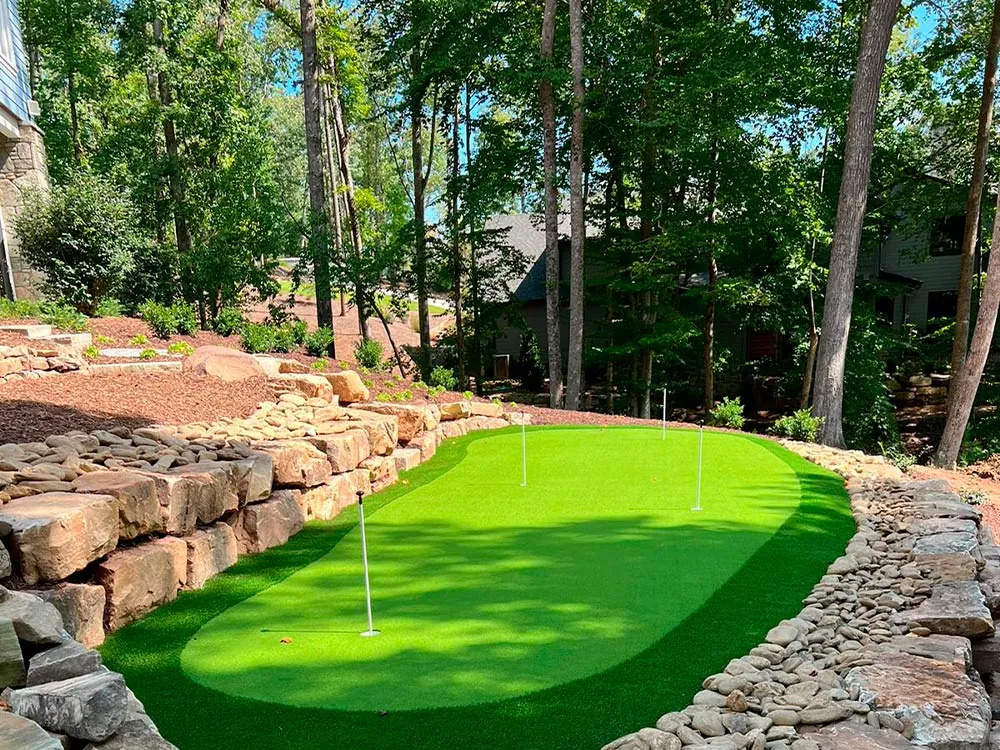
A consistently green, low-maintenance lawn alternative for problem areas or busy households.
Drainage Solutions
Solves standing water and erosion issues before they damage anything else on the property.
Patios
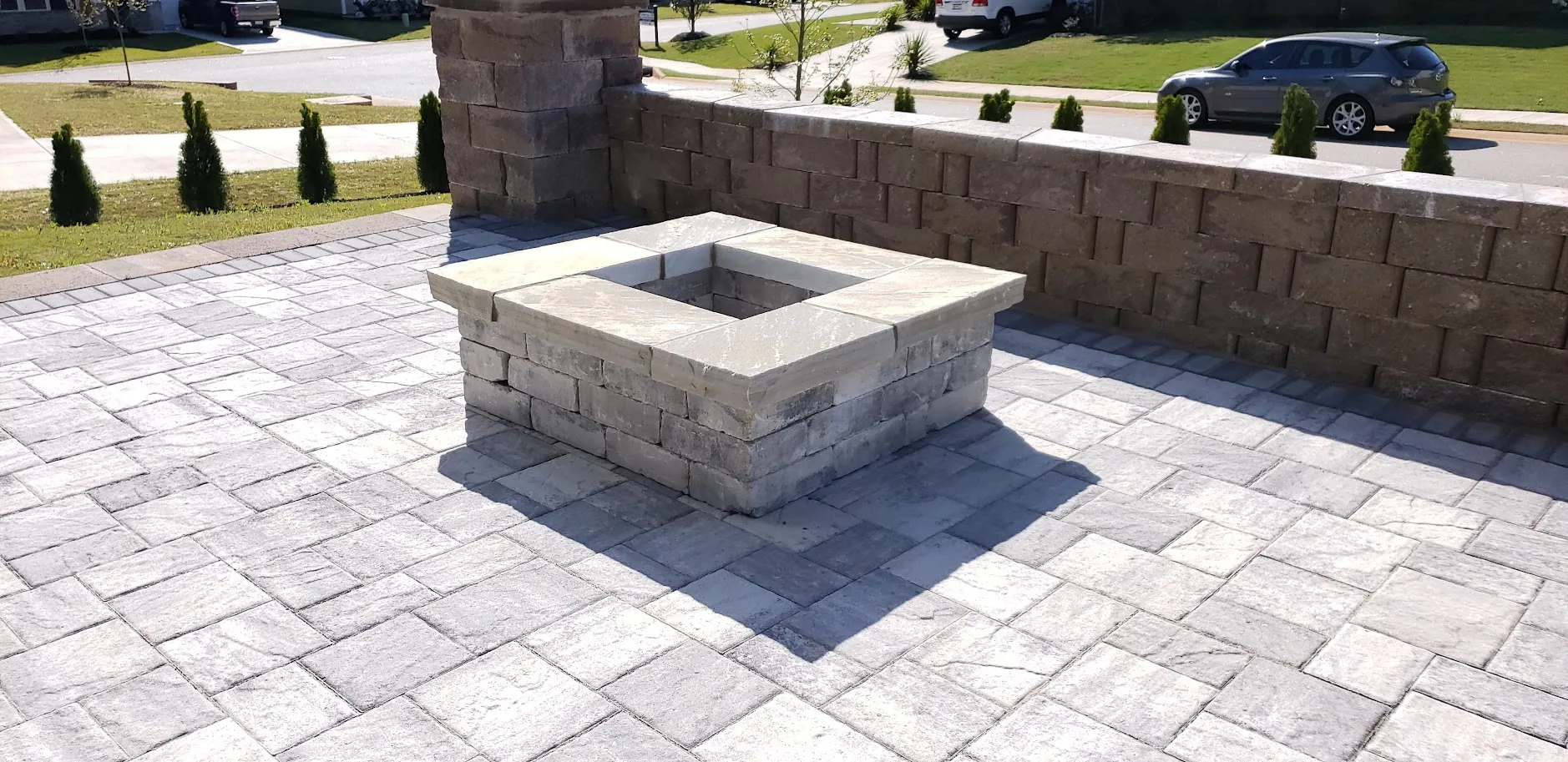
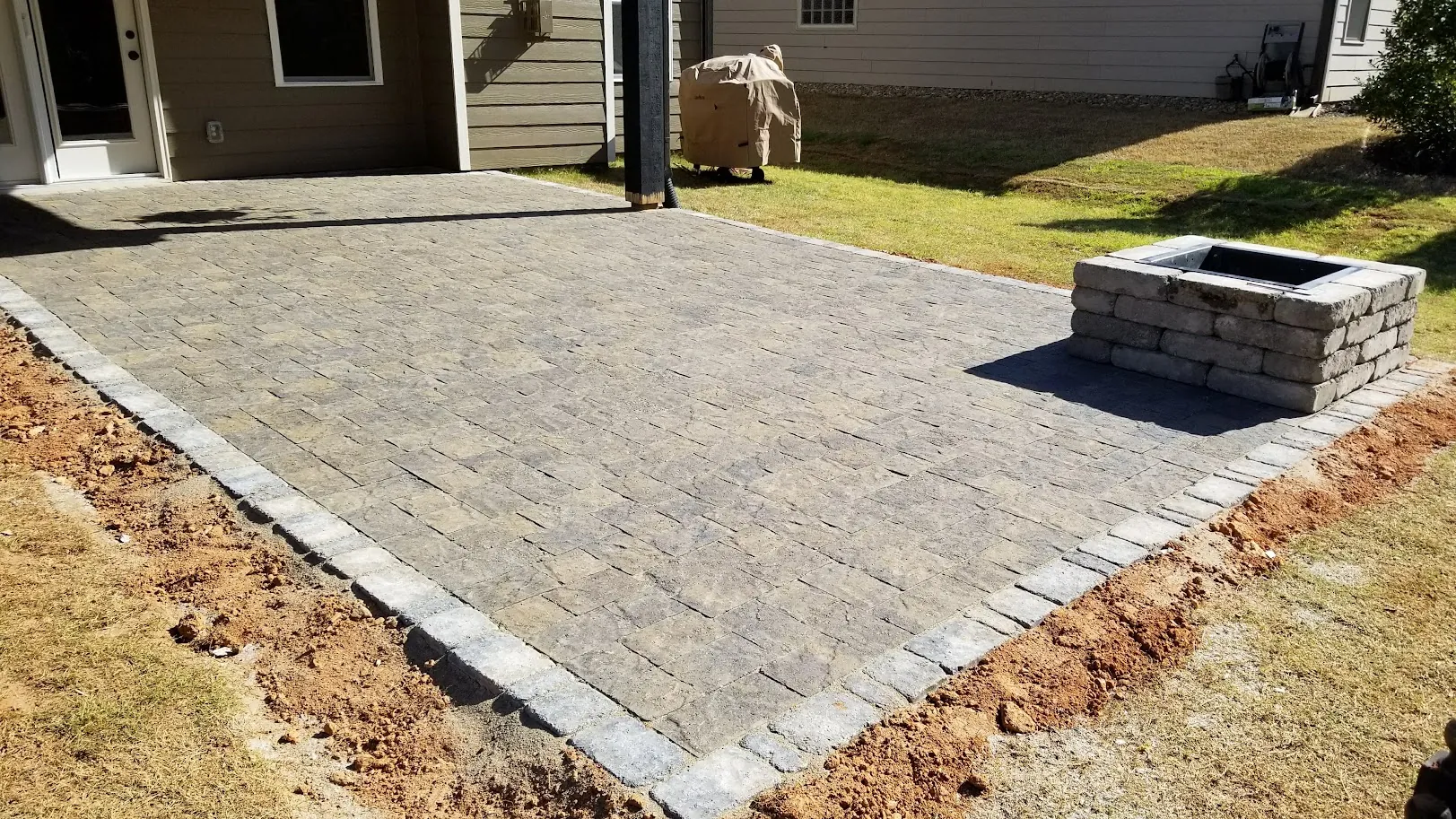
Durable, precisely-laid patios built on a proper base — the difference shows up years later, not on day one.
Related Articles
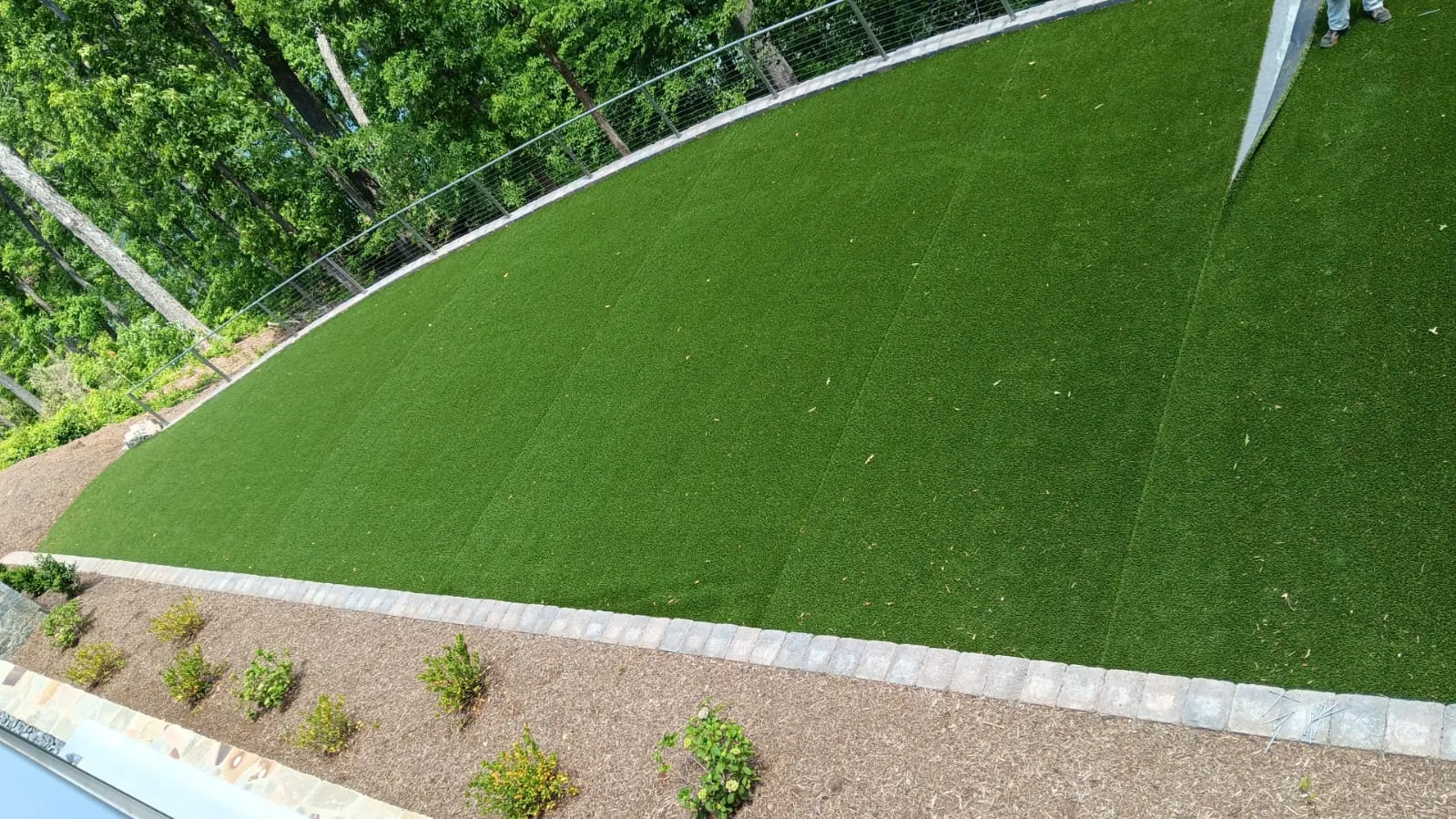
A Homeowner's Guide to Planning Artificial Turf
September 3, 2026
Plan artificial turf installation for an Upstate SC yard with proper drainage, durable materials, and a polished finish built for daily living year-round.
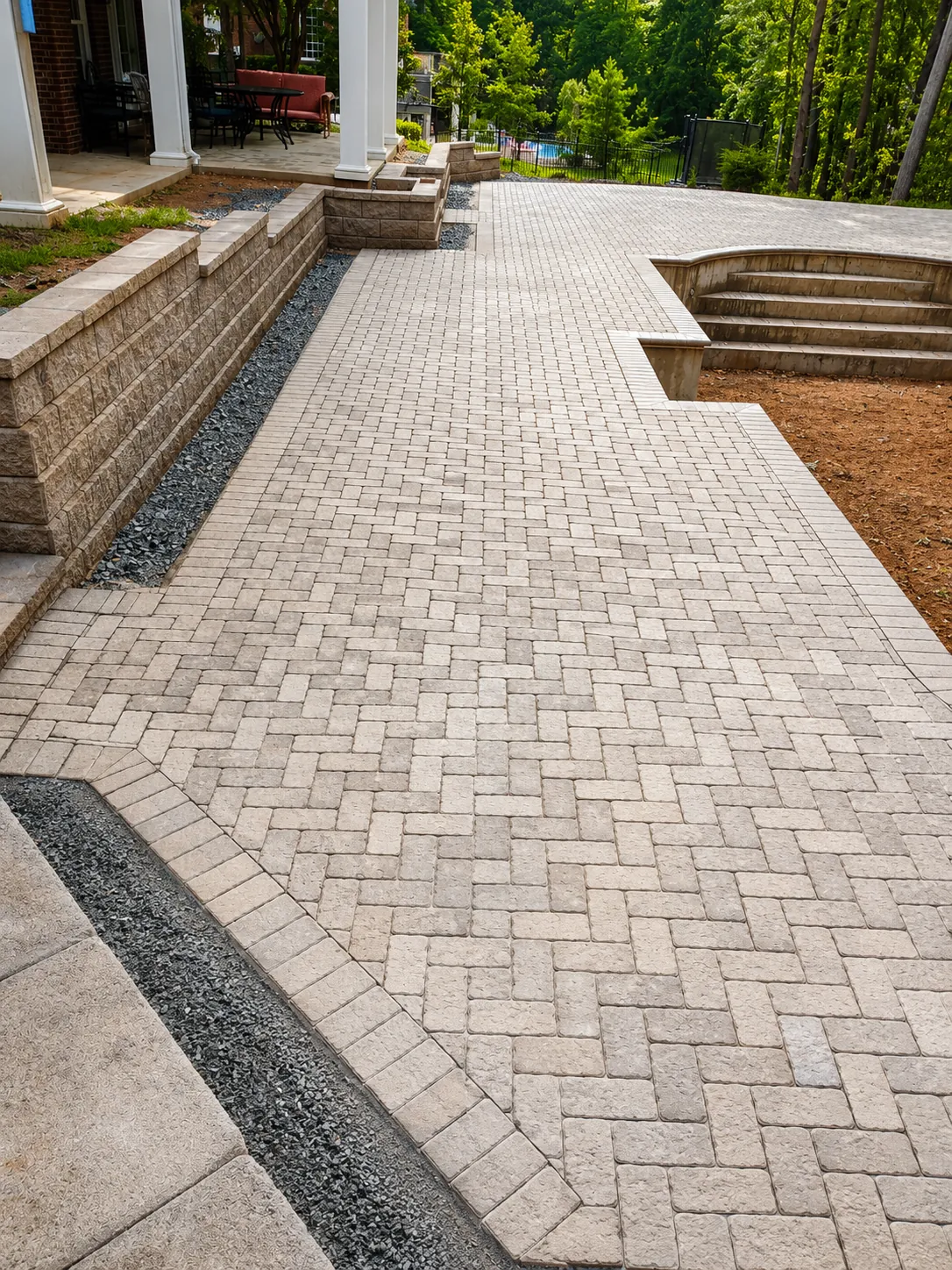
Can Patios Increase Home Value in Upstate SC?
September 23, 2026
Can patios increase home value? A well-designed patio can improve buyer appeal, daily living, and resale potential for Upstate South Carolina homes alike.
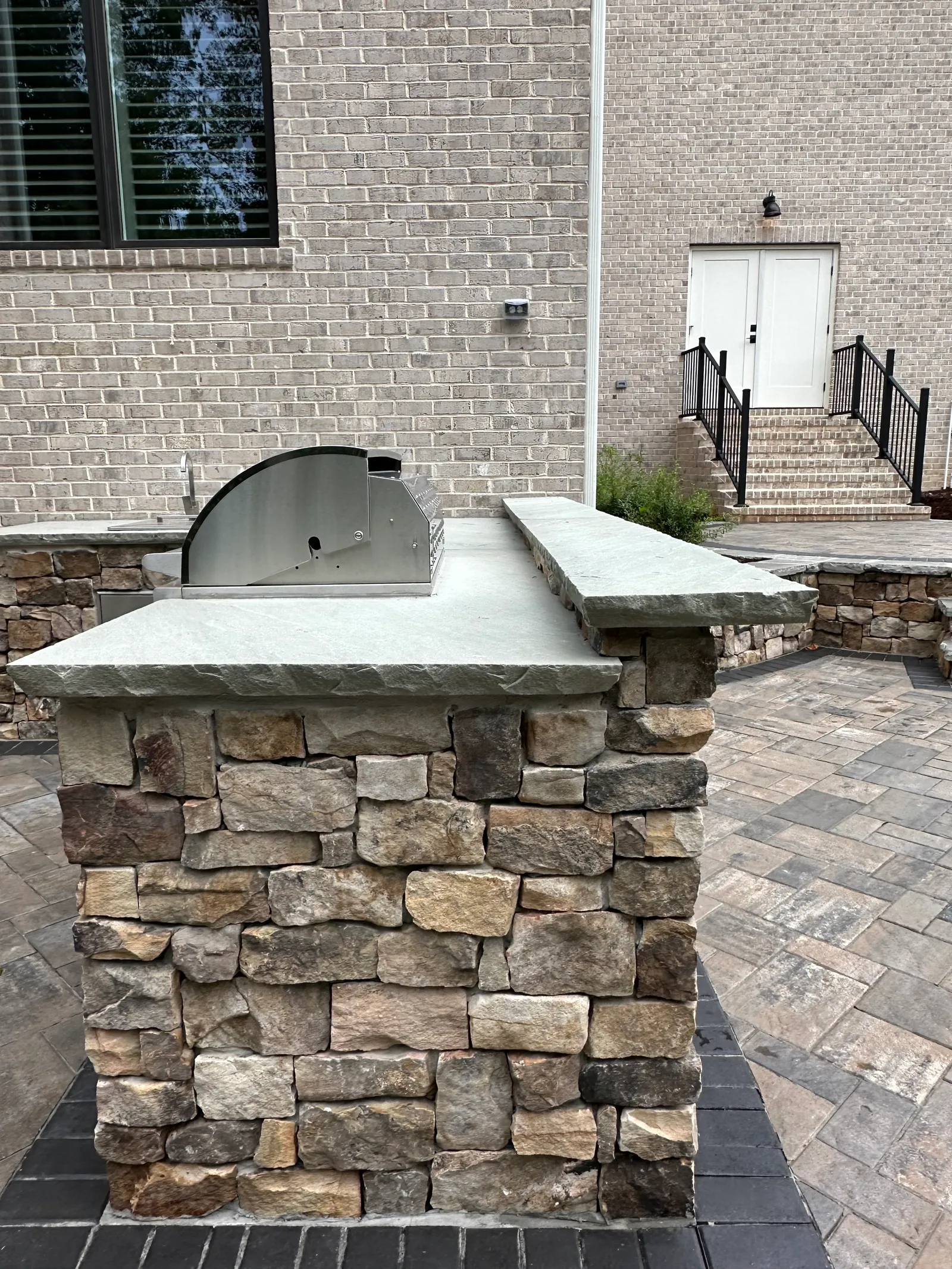
Outdoor Kitchen Planning Checklist for Upstate SC
September 19, 2026
Use this outdoor kitchen planning checklist to shape a practical Upstate SC space for cooking, gathering, and easy year-round enjoyment with your family.
Ready to start your project?
Tell us about your space and we'll follow up to schedule a consultation.