
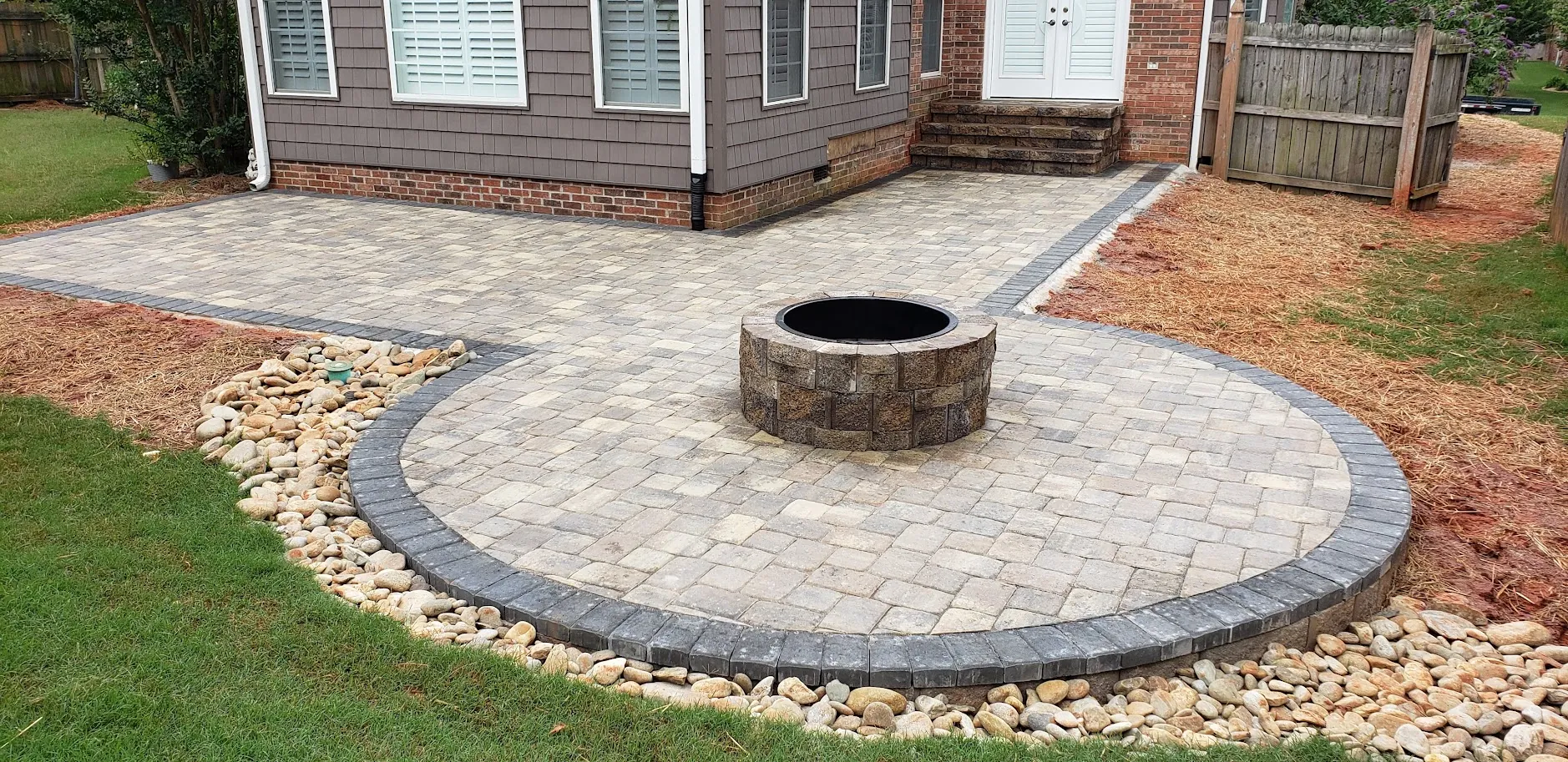
Design Tips
Backyard Hardscape Planning for Better Outdoor Living
Backyard hardscape planning helps Upstate SC homeowners create patios, fire features, and outdoor areas that fit the site, budget, and daily life with ease.
By Innova Hardscapes and Landscapes · Published August 20, 2026
A backyard can look spacious on paper and still feel unusable once furniture, foot traffic, slope, and summer sun enter the picture. That is why backyard hardscape planning should begin with how you want to live outside, not with a favorite paver color or a photo saved online. The right plan turns an ordinary yard into a comfortable destination for quiet mornings, family meals, pool days, and evenings around the fire.
For homeowners across Upstate South Carolina, planning also means responding to the realities of the property. Greenville County and surrounding areas have rolling terrain, heavy rain events, clay soils, mature trees, and plenty of hot, humid weather. A beautiful patio or outdoor kitchen needs to work with those conditions from the start.
Start With How the Backyard Will Be Used
The best hardscape layout is shaped by routines. A family that hosts weekend cookouts needs different circulation and seating than homeowners who want a peaceful garden retreat. A pool deck should allow room for loungers, towels, and safe walking paths. A firepit area needs enough space for chairs without putting guests in the middle of a traffic route.
Before choosing materials, think through a typical day outside. Where do people enter the yard? Is the grill close enough to the kitchen? Will guests carry food across grass? Do children need an open play area? Is there a view worth framing, or an unattractive fence worth screening with landscaping? These answers determine the size and placement of each feature far better than a generic patio shape.
It also helps to separate active and quiet zones. A dining patio beside an outdoor kitchen can sit near the house for convenience, while a fire feature or garden seating area may feel better farther into the yard. The spaces should connect naturally, but they do not all need to happen in one large expanse of hard surface.
Evaluate the Property Before Designing the Patio
Backyard hardscape planning is not only about appearance. It is site planning. Grade, drainage, access, utilities, and existing structures affect what can be built and how long it will last.
Water deserves particular attention in Upstate SC. Patios, retaining walls, pool decks, and walkways must be installed with intentional slope so rain drains away from the home and does not collect against the hardscape. A low spot that already stays soggy will not be corrected by laying pavers over it. It may require grading, drainage improvements, or a revised layout before construction begins.
Sloped yards create opportunity as well as complexity. Instead of forcing a single flat patio into a steep site, a terraced design can create defined areas for dining, lounging, planting, or a firepit. Retaining walls may make a backyard more usable, but they need proper base preparation, drainage, and structural design. A wall that looks good on installation day but lacks drainage behind it can shift or fail over time.
Existing trees should be considered early. Mature shade can make a patio far more comfortable in July, yet large root systems may limit excavation or affect the location of footings and walls. Likewise, callouts for irrigation lines, gas lines, electrical service, septic components, and pool equipment should happen before finalizing the plan. Solving these issues on paper is cleaner and less expensive than changing course after demolition starts.
Give Each Feature Enough Room to Work
Undersizing is one of the most common disappointments in outdoor construction. A patio may technically fit a table, but if chairs cannot pull out comfortably, it will feel cramped. An outdoor kitchen may have attractive cabinetry, but it loses value if there is no landing space for serving food or room for two people to move around it.
Scale should match both the home and the intended use. A small courtyard-style space can feel refined and inviting with a bistro table, built-in bench, and planted border. A larger entertaining area may need distinct zones that prevent the space from becoming a blank, oversized slab.
Allow for circulation between features. Paths should lead people where they naturally want to go: from the back door to the grill, from the driveway to the gate, or from the pool to a seating area. A well-placed walkway protects the lawn, keeps shoes out of mud, and makes the backyard feel organized. Curves can soften a landscape, while straight lines often suit contemporary homes and tighter lots. Neither is automatically better. The home’s architecture, property shape, and desired mood should guide the choice.
Choose Materials for Performance, Not Just Color
Concrete pavers, natural stone, brick, porcelain, and poured concrete each offer a different balance of appearance, maintenance, cost, and long-term performance. The best material is the one that supports the design and fits the household’s expectations.
Brick pavers bring warmth and classic character to patios, walkways, and driveways. They also allow targeted repairs when settling or damage occurs. Natural stone can create a more organic, high-end look, though its variations and installation requirements can affect the budget. Poured concrete may be a practical option for larger areas, but its finish, joints, and drainage details still matter. For pool decks, texture and heat underfoot deserve as much consideration as appearance.
Do not choose material from a small sample alone. View it outdoors in daylight, beside the home’s exterior, roof color, and existing landscape. In shaded backyards around Taylors, Travelers Rest, or Greer, darker materials can look richer but may show pollen, leaves, or moisture more readily. In full sun, very light surfaces may reduce heat but create glare. There is always a trade-off, and a good plan accounts for how the space will actually be maintained.
Plan Greenery and Hardscape as One Outdoor Environment
Hardscape gives a yard structure, but landscaping gives it softness, color, shade, and seasonal interest. The most successful backyards do not treat plants as an afterthought added around a finished patio. Planting beds, lawn areas, turf, privacy screens, and garden views should be part of the original composition.
For example, a retaining wall can double as a planted terrace. A patio can feel more private with layered evergreen screening and ornamental grasses. Low planting beds can define the edge of a pool deck without creating visual clutter. Artificial turf may make sense in a small, high-use area where natural grass struggles, while a larger lawn may be the better fit for children and pets.
Leave enough planting space for greenery to mature. A narrow strip between a patio and fence may look acceptable when new shrubs are small, then become crowded within a few seasons. Planning for mature size preserves airflow, access, and a cleaner finished look.
Set a Budget That Includes the Work Beneath the Surface
A hardscape budget should cover more than visible pavers, stone, or appliances. Excavation, grading, compacted base material, drainage, edge restraints, wall reinforcement, utility work, and site access are often what determine whether a project performs well for years.
This is where homeowners should be clear about priorities. If the budget does not support every desired feature at once, phase the project with intention. Build the main patio and drainage system first, then prepare utility connections for a future outdoor kitchen or fireplace. Install a properly sized foundation for a future pergola rather than tearing up finished hardscape later. A phased plan can protect the long-term design without forcing rushed compromises.
It is also wise to reserve room for site surprises, especially on older properties or sloped lots in areas such as Simpsonville, Easley, and Anderson. Hidden drainage issues, shallow rock, deteriorated concrete, or unmarked lines can affect the scope. Clear communication before work begins helps keep those decisions manageable.
Work With a Builder Who Can Connect Design and Construction
A backyard plan only succeeds when the finished installation matches the vision and handles the site correctly. Homeowners should look for a contractor who asks practical questions, explains material and drainage choices, respects the property during construction, and provides a clear scope of work.
At Innova Hardscapes and Landscapes, the goal is not simply to install a patio or wall. It is to create an integrated outdoor environment where constructed features and living landscape work together. Professional crews, organized jobsites, and thoughtful recommendations matter because the building process should feel as well managed as the finished space looks.
The most rewarding backyard projects begin with a simple question: what would make you want to step outside more often? Start there, then let the layout, materials, and construction details support that answer for years to come.
Related Services
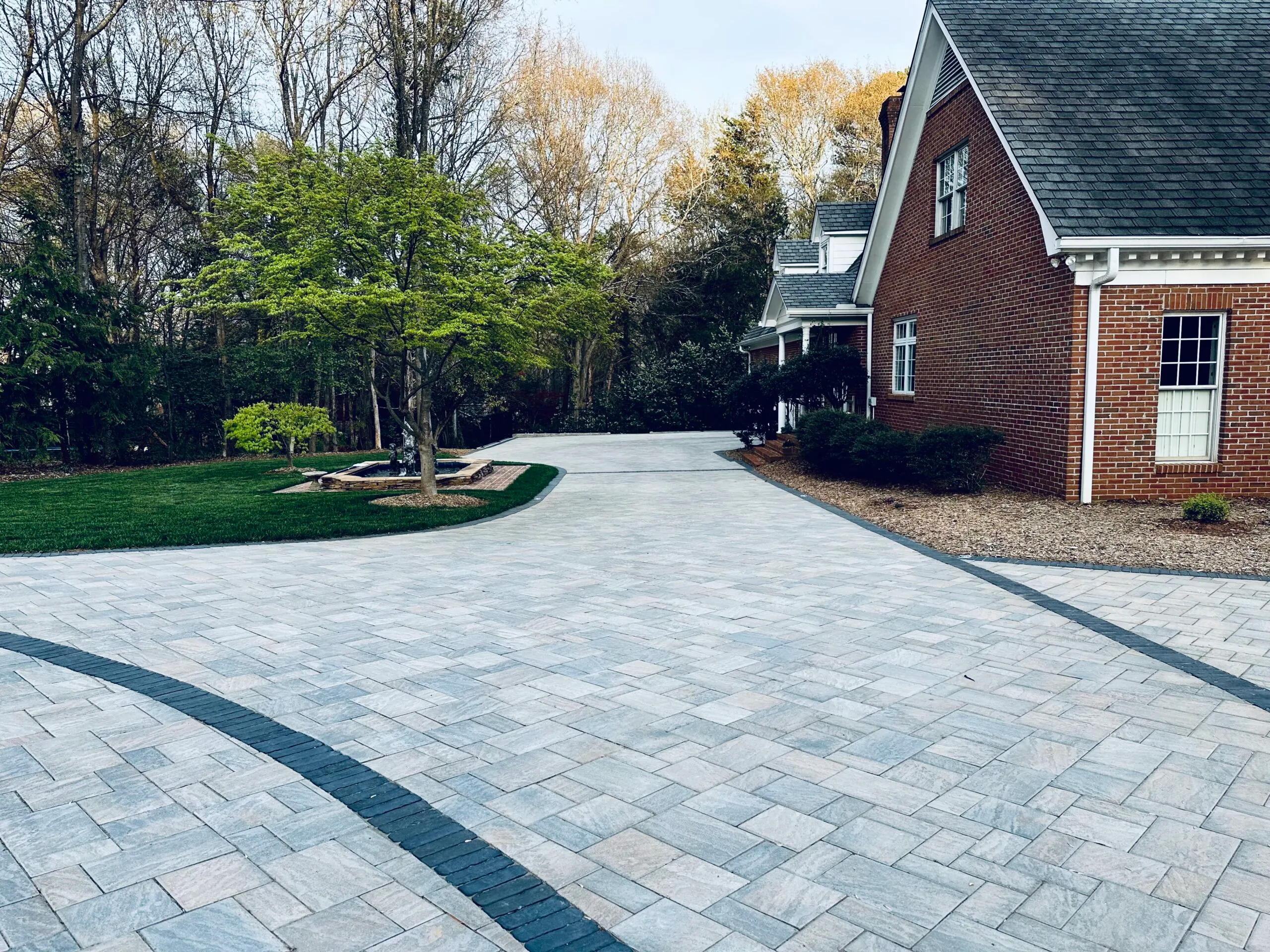
Hardscapes
The structural, built elements of a property — patios, driveways, walls, and walkways — planned and installed as one connected system.
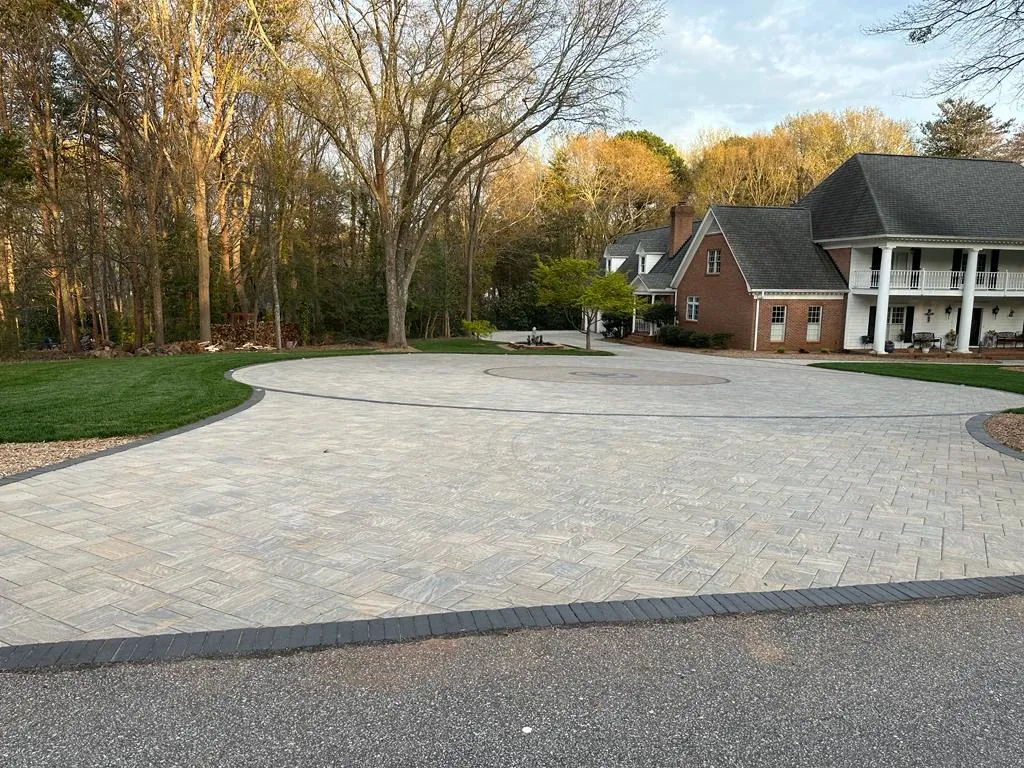
Drainage Solutions
Solves standing water and erosion issues before they damage anything else on the property.
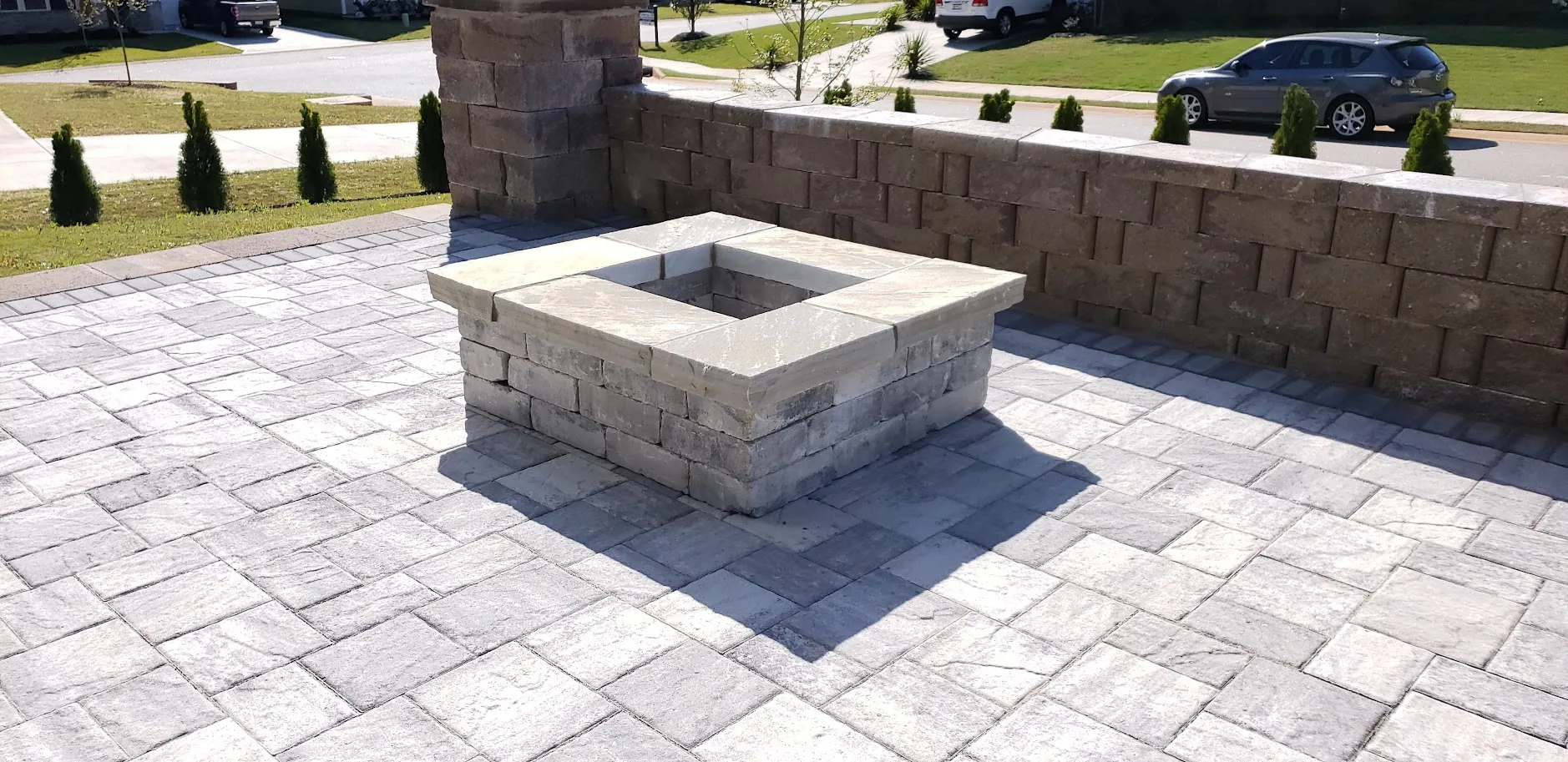
Patios
Durable, precisely-laid patios built on a proper base — the difference shows up years later, not on day one.
Related Articles
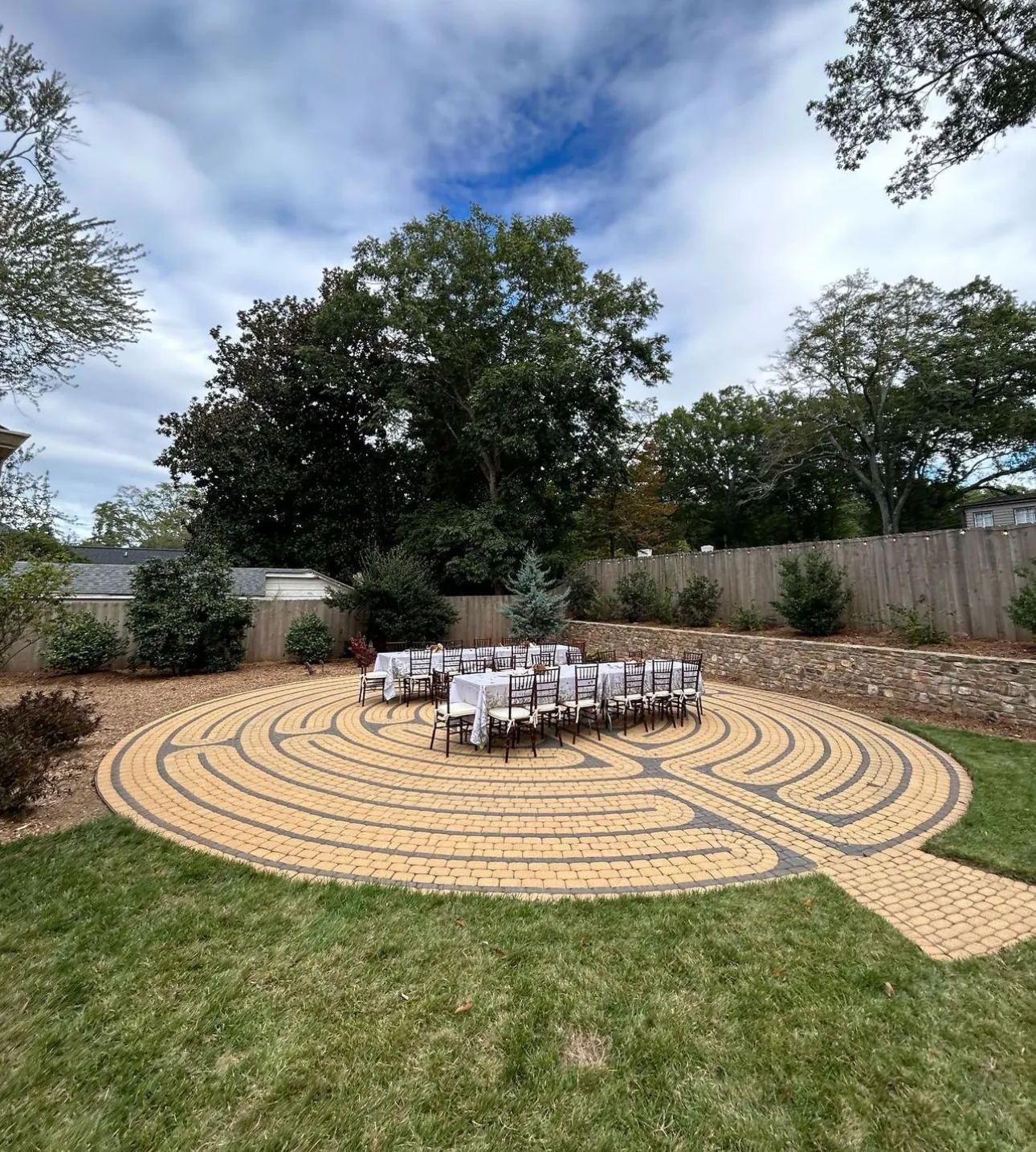
A Homeowner's Guide to Planning Patios
August 4, 2026
Plan a hardscape patio installation Greenville homeowners can enjoy for years, with smart drainage, material selection, layout, and construction guidance.
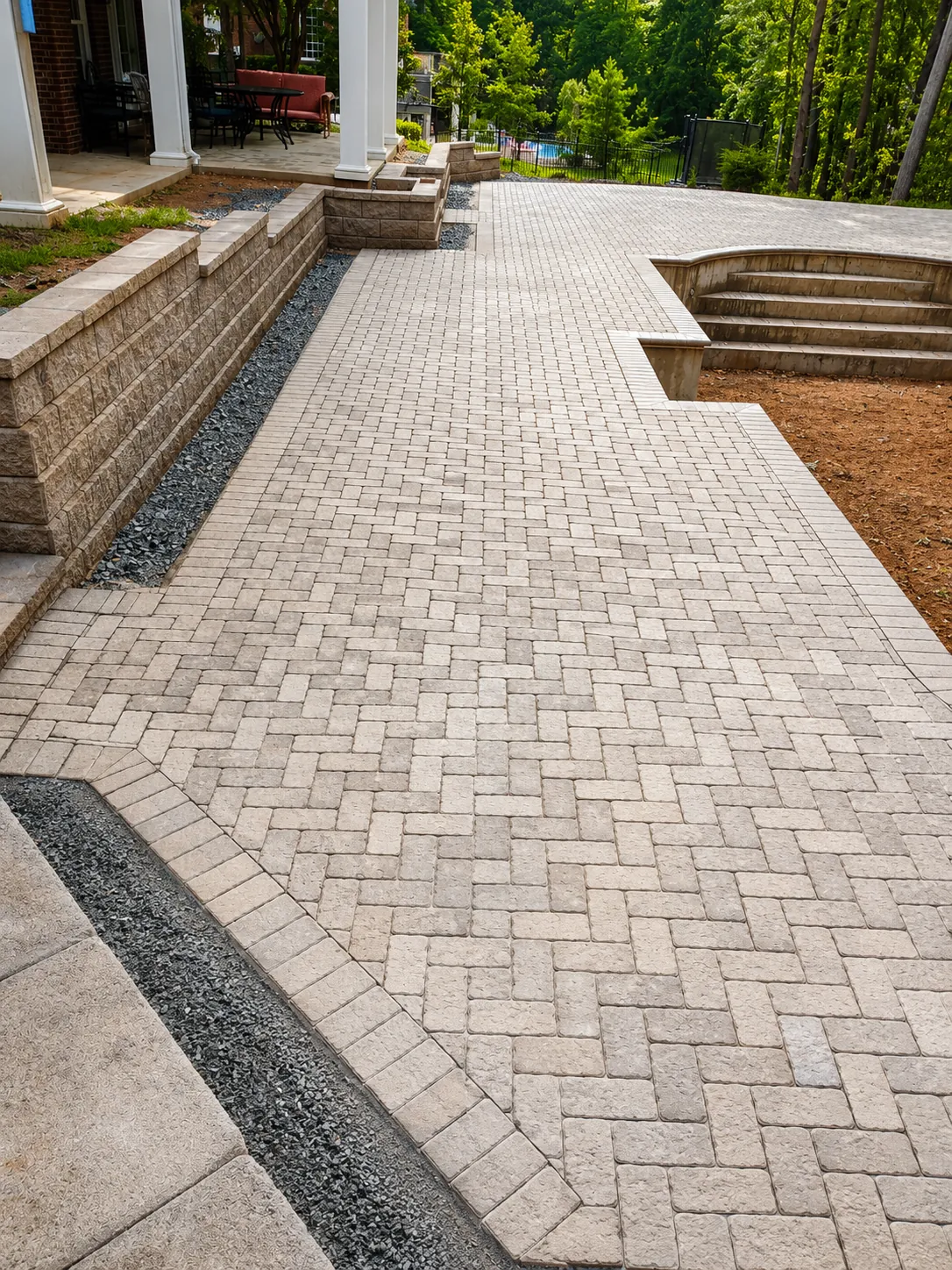
Can Patios Increase Home Value in Upstate SC?
September 23, 2026
Can patios increase home value? A well-designed patio can improve buyer appeal, daily living, and resale potential for Upstate South Carolina homes alike.
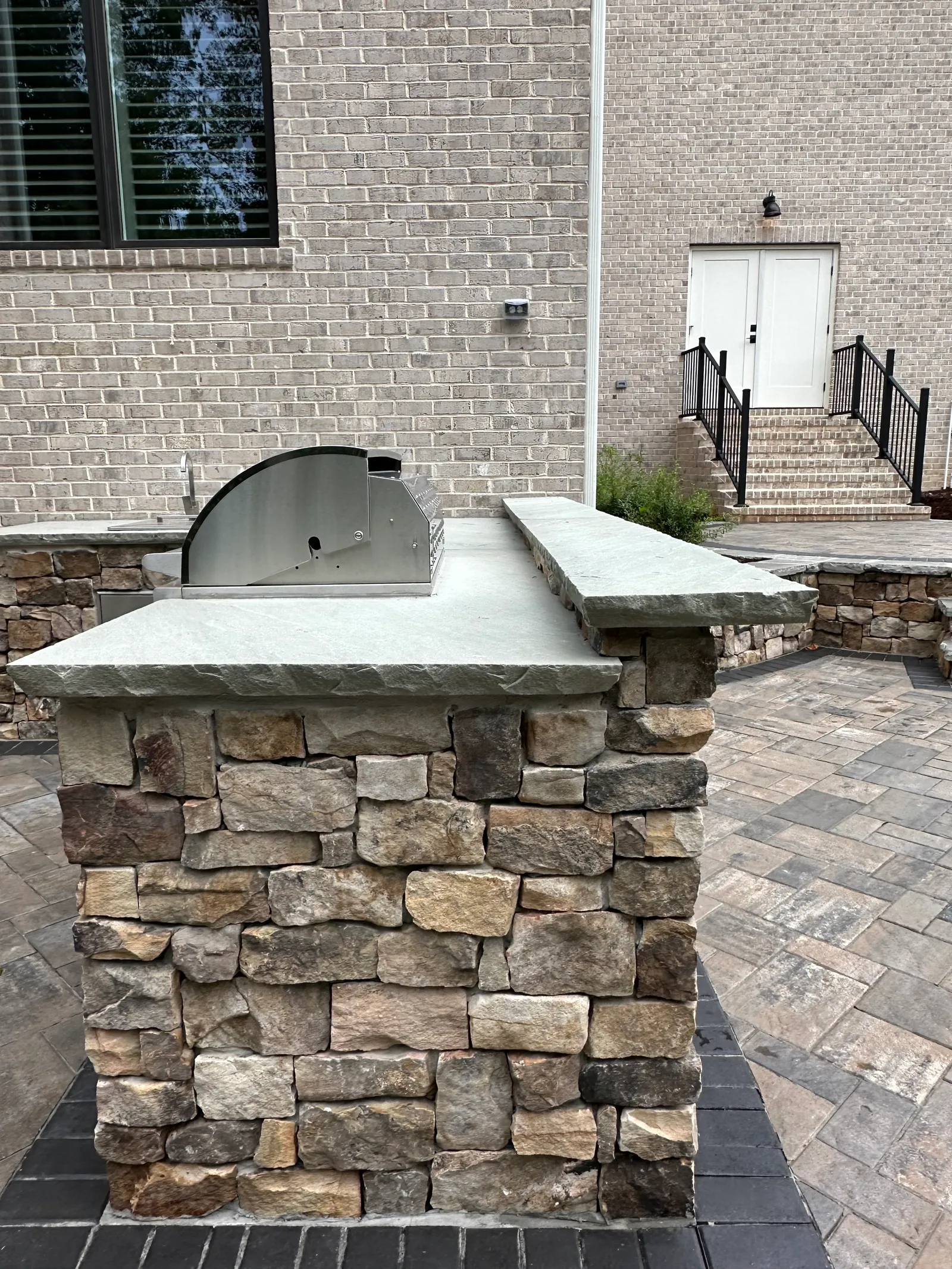
Outdoor Kitchen Planning Checklist for Upstate SC
September 19, 2026
Use this outdoor kitchen planning checklist to shape a practical Upstate SC space for cooking, gathering, and easy year-round enjoyment with your family.
Ready to start your project?
Tell us about your space and we'll follow up to schedule a consultation.