
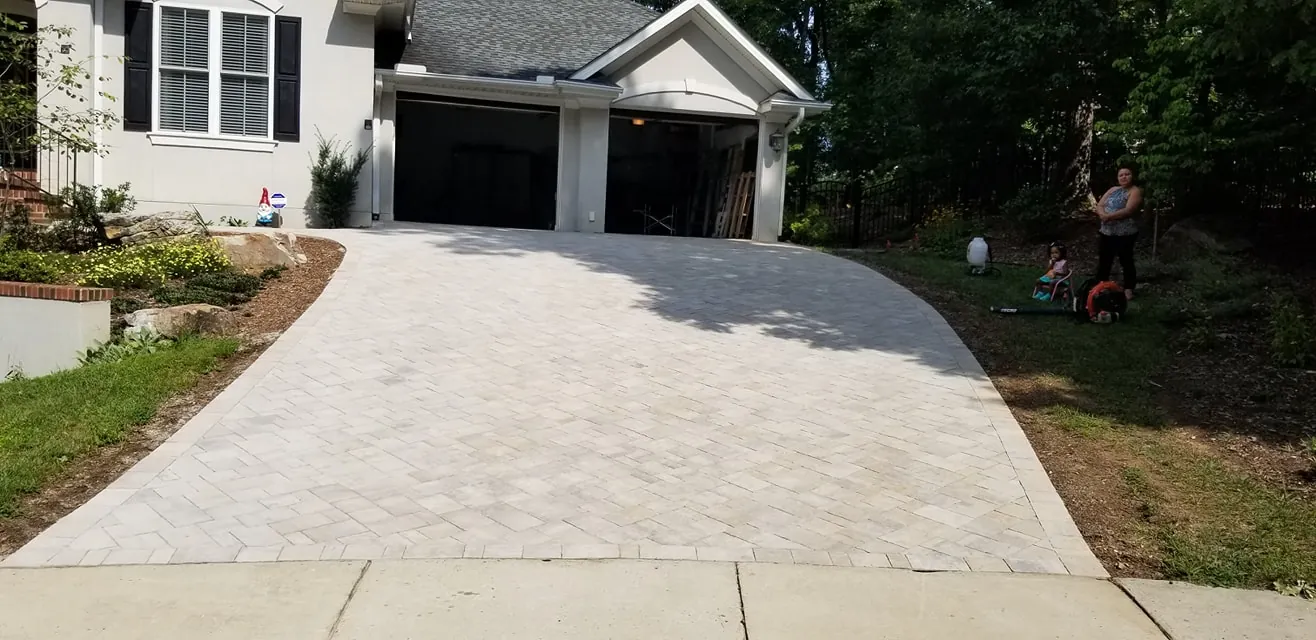
Maintenance
Brick Paver Cleaning and Sealing That Lasts
Brick paver cleaning and sealing protects patios, driveways, and pool decks from stains, weeds, fading, and wear across Upstate South Carolina homes.
By Innova Hardscapes and Landscapes · Published August 10, 2026
A brick paver patio can make a backyard feel finished. It gives a pool deck, driveway, walkway, or firepit area the structure needed to become a true outdoor destination. But when pavers become dark with mildew, stained with oil, or overtaken by weeds, even a well-designed space can look neglected. Professional brick paver cleaning and sealing restores the color and definition homeowners loved at installation while helping protect the surface from the wear that comes with life in Upstate South Carolina.
Our humid summers, frequent rain, shade from mature trees, and clay-rich soil can all take a visible toll on hardscape surfaces. The right restoration process is not just about making pavers look wet or shiny for a few weeks. It is about cleaning them correctly, repairing the joints, and choosing a protective finish that suits the material and the way the space is used.
Why Brick Pavers Lose Their Finished Look
Pavers are durable, but they are not maintenance-free. Their joints are designed to allow slight movement and drainage, which is one reason they perform so well on patios and driveways. That same joint structure can collect organic debris, soil, and moisture over time.
In shaded areas, algae, mildew, and moss can create a dark or green film. On driveways, oil drips, tire marks, and rust stains are common. A pool deck may develop sunscreen residue, mineral deposits, and grime carried by bare feet. Wind-blown dust and pollen settle into the textured surface, gradually muting the pavers’ original color.
Weeds are another frequent concern. They do not necessarily mean the installation has failed. Weed seeds can land in the joint sand from above and germinate when moisture and debris are present. Still, once growth is established, it can make the entire paved area appear uneven and poorly maintained.
What Proper Brick Paver Cleaning and Sealing Involves
A lasting result begins with evaluation, not with a pressure washer. The condition of the pavers, the joint sand, drainage patterns, stains, and nearby landscaping all affect the recommended approach. A patio with minor surface grime needs different treatment than a driveway with oil stains, loose edges, and depleted joint sand.
Cleaning without damaging the surface
Cleaning generally starts with removing furniture, pots, and loose debris. Problem areas may receive targeted treatment before washing. This matters because mildew, rust, efflorescence, and petroleum stains do not respond to the same products or techniques.
Pressure washing can be effective, but excessive pressure or a poorly handled nozzle can scar the face of pavers, loosen sand too deeply, and disturb surrounding landscape beds. Professional cleaning uses the appropriate pressure, equipment, cleaners, and working distance to lift buildup without creating unnecessary damage.
Care is especially important around older pavers. Their surfaces may already be weathered, and aggressive cleaning can expose inconsistent color or create a patchy appearance. In some cases, a controlled cleaning that improves the surface significantly is a better choice than trying to force every mark out of aged material.
Replacing joint sand
After cleaning and allowing the pavers to dry, the joints need attention. Sand supports the individual units, helps limit shifting, and reduces open spaces where debris and weed seeds can settle. If the joints have washed out or become low, fresh sand is swept into the gaps.
Many projects benefit from polymeric sand, which is designed to firm up after activation with water. It can help resist erosion and weed growth when installed correctly. It is not a permanent barrier against every weed, ant, or maintenance issue, but it provides a more stable, polished finish than leaving joints underfilled.
Applying the right sealer
Sealer is the final protective layer, but it should not be selected based on shine alone. Some homeowners prefer a natural-look sealer that preserves the original character of the pavers. Others want a color-enhancing finish that deepens the tone and creates a richer appearance. A higher-gloss finish can be attractive in the right setting, though it may not be the best fit for every pool deck or heavily trafficked walkway.
The surface must be fully dry before sealing. Trapped moisture can lead to hazing, whitening, or an uneven finish. Good weather timing is also essential. In Upstate SC, afternoon storms and high humidity can affect both drying and curing, so restoration work should be scheduled around conditions rather than rushed.
The Benefits Go Beyond Curb Appeal
The immediate change after restoration is visual. Clean joints and refreshed color make the pattern of the pavers stand out again, whether the area is a welcoming front walk in Greer or a backyard entertaining space in Simpsonville. Yet the practical advantages are just as valuable.
A quality sealer can help reduce the absorption of spills, making routine cleanup easier. It can also limit fading from sun exposure and slow the accumulation of surface grime. Stabilized joint sand helps maintain a cleaner appearance and supports the paver system as it handles foot traffic, patio furniture, vehicles, and seasonal weather changes.
Sealing does not make a paver surface indestructible. Heavy oil stains, falling acorns, fertilizer, standing water, and improper snow or ice products can still cause trouble. It does, however, give homeowners a more manageable surface and can postpone the need for more extensive restoration.
When Cleaning and Sealing Is Not Enough
Some paver issues are cosmetic. Others point to a deeper installation or drainage problem. If pavers are sinking, rocking, spreading apart, or holding water after rain, cleaning alone will not correct the cause. The affected area may need to be lifted, the base regraded, drainage improved, and the pavers reinstalled before sealing makes sense.
White, chalky deposits deserve a closer look as well. Efflorescence is a mineral residue that can appear as moisture moves through masonry materials. It can often be treated, but sealing over active efflorescence can lock in an unwanted look. Similarly, a cloudy or peeling previous sealer may need to be stripped before a new coating is applied.
These are the situations where experience matters. A surface that looks like it needs a quick wash may actually need repairs first. Addressing the underlying condition protects the investment and avoids spending money on a finish that will not perform as intended.
Choosing the Right Time for the Work
For many homeowners, spring is the natural time to refresh outdoor spaces before cookouts, pool season, and family gatherings. Fall can also be an excellent window, especially after leaves have been cleared and temperatures are more moderate. The best timing depends on weather, shade, surface moisture, and how soon the area needs to be used again.
Plan ahead if the pavers are part of a larger backyard improvement. Cleaning and sealing is often a smart finishing step after landscape upgrades, patio repairs, a new firepit, or outdoor kitchen work. It allows the whole property to feel coordinated rather than leaving older hardscape surfaces to distract from a new feature.
Homeowners in Taylors, Mauldin, Travelers Rest, Easley, and Anderson often face different combinations of shade, grade, and soil conditions. A site-specific recommendation is more useful than treating every paver surface the same way.
How to Keep Sealed Pavers Looking Better Longer
Maintenance after sealing is straightforward, but consistency matters. Sweep away leaves, pine needles, and mulch before they break down in the joints. Rinse away fresh spills promptly, particularly grease near grilling areas. Trim back plants that hold moisture against the pavement, and avoid using harsh chemicals unless they are appropriate for sealed masonry.
Watch for areas where water lingers. Standing water can encourage organic growth and may reveal a grading concern. Catching it early can prevent a small maintenance item from becoming a repair project.
A professionally restored paver surface should make outdoor living feel easier, not add another demanding chore to the homeowner’s list. When cleaning, repairs, joint stabilization, and sealing are handled as one coordinated process, a tired patio or driveway can return to being a distinguished, usable part of the property. For Upstate South Carolina homeowners ready to bring new life to their hardscape, the best next step is a clear assessment of what the pavers need before any product is applied.
Related Services
Related Articles
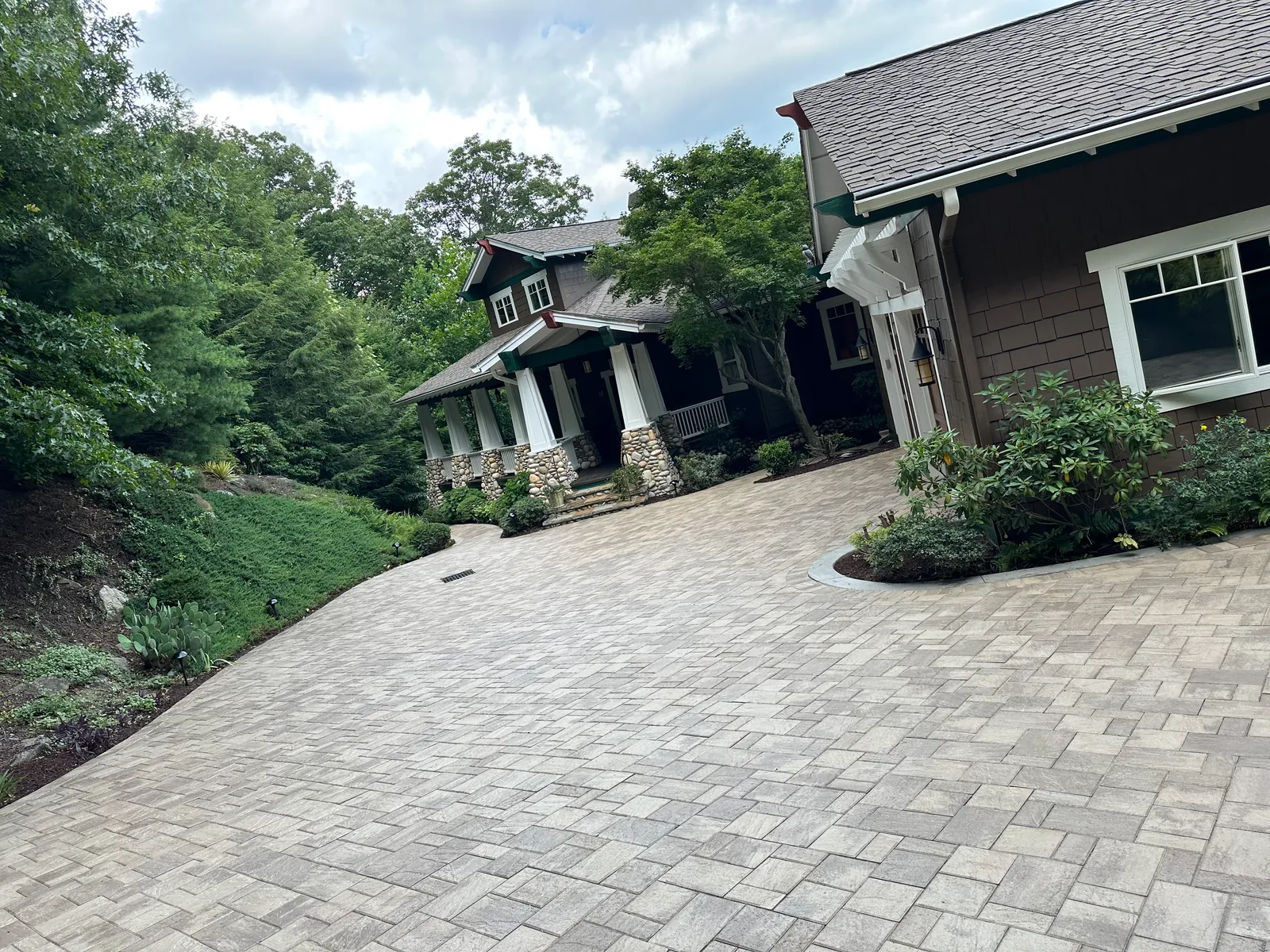
Driveway Paver Repair Methods That Last
September 25, 2026
Compare driveway paver repair methods for sunken, loose, stained, and cracked areas, and learn when professional base repair is the smarter long-term choice.
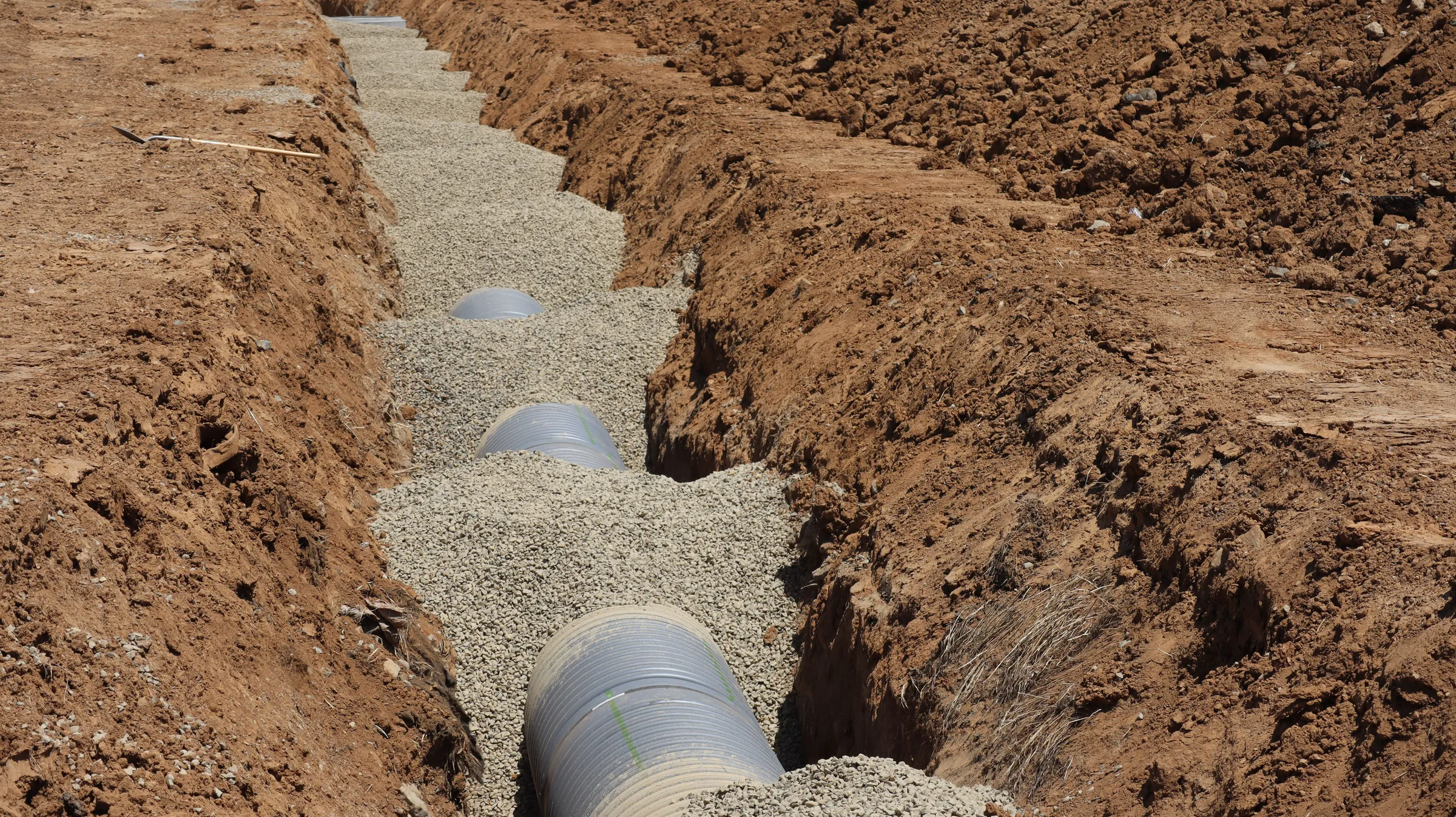
How to Improve Driveway Drainage the Right Way
September 17, 2026
Learn how to improve driveway drainage with grading, drains, and surface repairs to prevent water damage, protect curb appeal, and reduce repair costs.
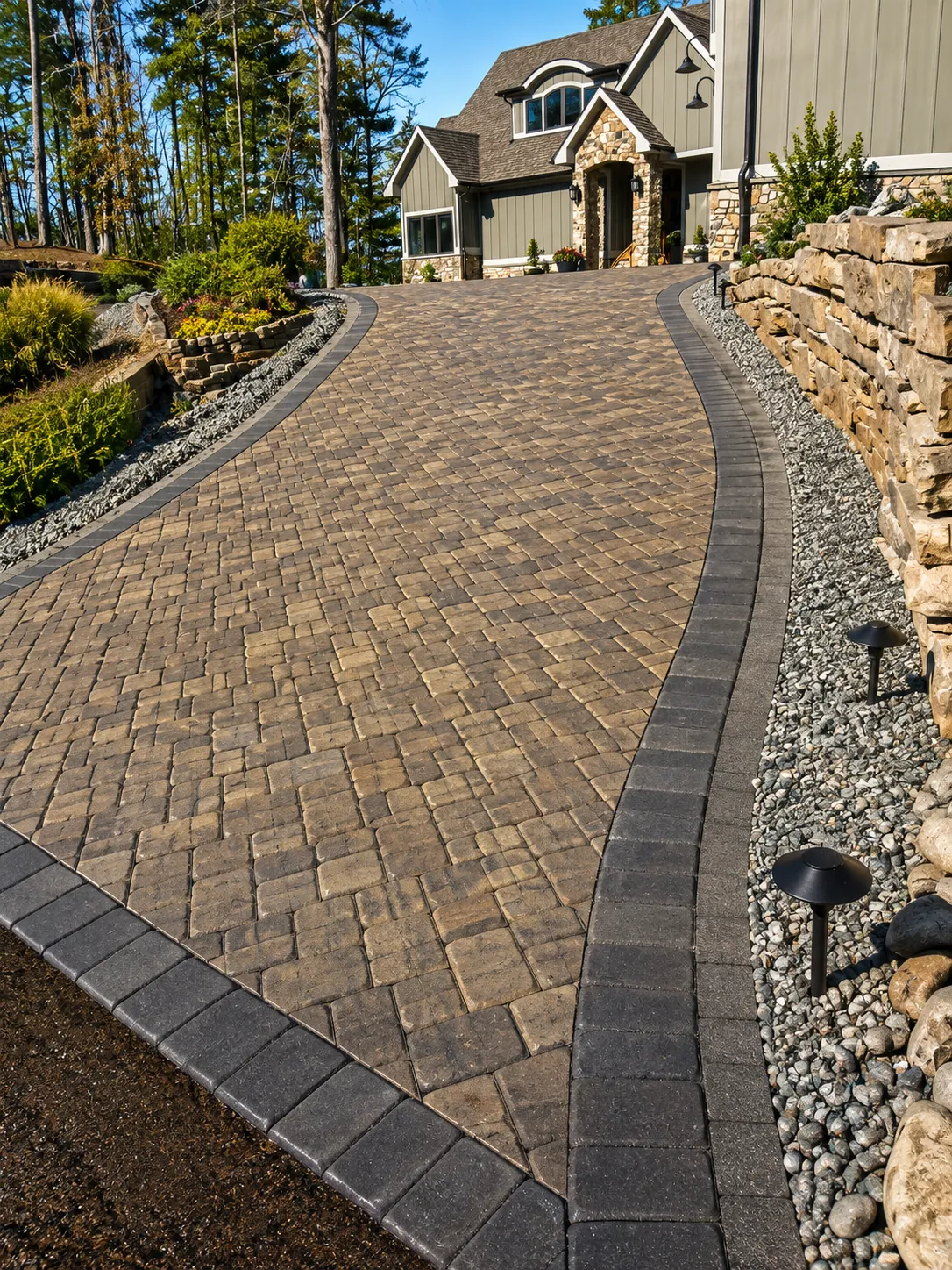
A Homeowner's Guide to Planning Driveways
August 8, 2026
Plan driveway paver installation Greenville SC homeowners can trust, from drainage and base prep to material choices, edges, and long-term care.
Ready to start your project?
Tell us about your space and we'll follow up to schedule a consultation.