
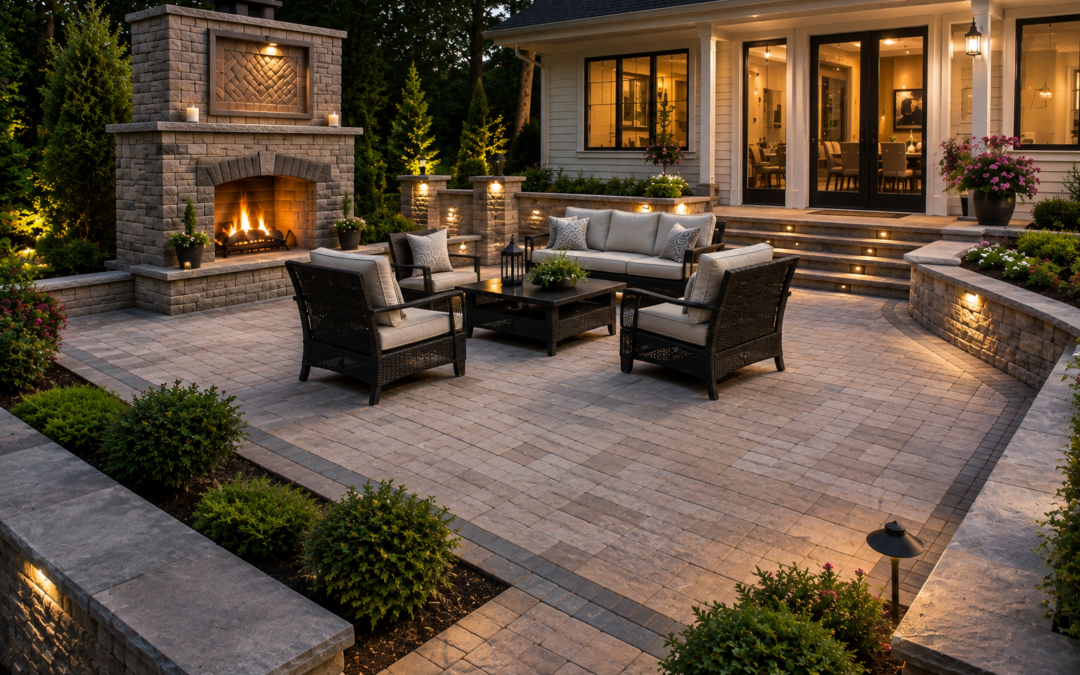
A patio should do more than fill an empty section of backyard. It should give your family a comfortable place to gather after dinner, create a natural destination beside the pool, or make a sloped, muddy, or neglected yard useful again. A successful hardscape patio installation Greenville homeowners can rely on begins well before the first paver or stone is placed. It starts with an honest look at the property, how the space will be used, and what the ground needs to support a finished surface for years to come.
In Greenville County, patios are exposed to summer heat, seasonal downpours, clay-heavy soils, and changing grades from one part of the yard to another. Those conditions do not limit what is possible. They do make planning, drainage, and proper construction essential.
Start With How You Want to Use the Patio
The best patio designs are built around real routines, not just a photo of a beautiful outdoor space. A couple looking for a quiet coffee spot may need a modest paver terrace near the back door. A family that hosts weekend cookouts may need room for a dining table, a grill station, extra seating, and a clear path for guests moving in and out of the home.
Think about the moments the patio needs to support. Will it be primarily for meals, lounging, fireside conversations, poolside relaxation, or all of the above? A patio can serve several purposes, but each one requires enough usable space. A firepit, for example, needs a comfortable seating zone around it. An outdoor kitchen needs working clearance, utility planning, and a surface that handles frequent foot traffic.
Location matters just as much as size. A patio close to the house is convenient for serving meals and carrying groceries. A patio set farther into the yard can feel like a separate retreat, especially when framed by planting beds, privacy screening, or a garden path. Existing views, mature trees, afternoon sun, and the location of a pool or play area all help determine where the finished space belongs.
Hardscape Patio Installation in Greenville Requires Site Planning
A level-looking yard is not always ready for a patio. Before construction, the site should be evaluated for slope, water flow, soil conditions, access, and the elevation of the home. This is where the difference between a patio that looks good at completion and one that performs well over time becomes clear.
Water should move away from the home and off the patio in a controlled direction. A finished patio needs a subtle, intentional pitch so rainfall does not collect against the foundation or create puddles in the middle of the entertaining area. Depending on the yard, drainage improvements may include grading, channel drains, dry creek features, or carefully placed landscape beds that help guide runoff.
Greenville-area clay can hold water and shift with changing moisture levels. That is why excavation and base preparation are not shortcuts to overlook. The contractor must remove unsuitable material, establish the proper grade, install and compact a stable aggregate base, and use edge restraints suited to the patio material. Without that foundation, pavers can settle, joints can open, and the surface can become uneven.
Access also affects the project plan. A wide backyard gate makes it easier to bring in material and equipment, while a narrow side yard may require more hand work and careful protection of existing landscaping. Good planning accounts for these realities before the project begins, rather than letting them become unexpected problems once crews are on site.
Choose Materials That Fit the Home and Lifestyle
There is no single best patio material for every Greenville property. The right choice depends on the architecture of the home, desired maintenance level, budget, and the character you want the outdoor space to have.
Concrete pavers are a popular option because they offer consistent sizing, a wide range of colors and patterns, and the ability to repair a localized area if needed. They can complement traditional brick homes, newer construction, and clean-lined contemporary exteriors. Pavers also work well when the design includes borders, circular gathering spaces, or transitions to walkways and driveways.
Natural stone provides a more organic, distinctive appearance. Flagstone and similar materials can create a relaxed garden setting or a refined entertaining space, depending on the pattern and joint treatment. Because natural stone varies in thickness, shape, and color, installation requires experienced craftsmanship and thoughtful material selection. The result can be especially striking when paired with layered planting beds and natural landscape features.
Porcelain pavers offer a crisp, modern look and can be a strong choice for certain patios and pool areas. They are dense, low-absorption, and available in finishes that resemble stone, concrete, or wood. Their installation requirements differ from traditional pavers, so the base and setting method should match the product and site conditions.
For some homeowners, a concrete patio is the most practical starting point. It can create a clean, durable outdoor surface at a lower initial cost, though it offers fewer design variations than a paver or stone installation. Decorative finishes, borders, and integrated landscaping can help concrete feel more custom. The trade-off is that cracks are more difficult to disguise or repair than individual paver movement.
Design the Patio as Part of the Entire Yard
A patio becomes more valuable when it feels connected to the rest of the property. Rather than treating it as a standalone slab, consider how it can relate to the lawn, garden, pool deck, retaining wall, fence line, and entrances to the home.
A well-placed walkway can make the patio feel intentional from the moment someone steps outside. Planting beds can soften the edge of stone or pavers while adding color, seasonal interest, and privacy. Low walls can define the space, provide additional seating, and handle modest grade changes. If the yard slopes significantly, retaining work may be needed before the patio can be installed safely and attractively.
Shade deserves attention early in the design process. A patio that receives full western sun may be perfect in spring and fall but uncomfortable on July afternoons. A pergola, shade structure, mature tree canopy, or carefully positioned seating zone can make the area more usable throughout the year. Lighting also changes how long the space can be enjoyed. Step lights, path lighting, wall lights, and subtle landscape lighting improve safety while creating a more inviting evening setting.
When planning features such as a fireplace, firepit, outdoor kitchen, or built-in grill, decide on them before the patio is built. It is far easier to prepare a stable foundation, electrical service, gas lines, drainage, and circulation paths during initial construction than to cut into a completed patio later.
What Professional Installation Should Look Like
A professional hardscape project should feel organized from the first site visit through final cleanup. Homeowners deserve clear recommendations, a scope that matches the property and budget, and a crew that protects the areas not being renovated.
During construction, an experienced team establishes grades, manages materials, and keeps the work area orderly. The visible finish matters, but so do the details below it: properly compacted base layers, clean cuts at edges, stable borders, correctly installed joint material, and transitions that do not create trip hazards. These are the elements that support a polished patio long after the equipment leaves the driveway.
Communication is equally valuable. If an uncovered drainage issue, buried line, or site condition requires an adjustment, the homeowner should understand the reason, the options, and the effect on the plan. At Innova Hardland, that collaborative approach helps turn a design idea into an outdoor destination that fits the home instead of forcing the home to fit the project.
Protect the Investment After Completion
Most patios need only straightforward maintenance, but a little regular attention preserves their appearance. Sweep away leaves and soil that can stain or encourage weeds in joints. Rinse the surface as needed, using cleaning products that are appropriate for the specific paver, stone, or concrete material. Avoid aggressive pressure washing that can dislodge joint sand or damage delicate stone surfaces.
Watch how the patio handles a heavy rain during its first season. Water should drain as intended, without standing near the house or washing material from joints and landscape beds. Addressing a small drainage concern early is simpler than waiting for erosion or settlement to affect the finished surface.
A well-built patio is not simply an upgrade for entertaining. It is a practical extension of the home, shaped around the way your household spends time outdoors. With the right site preparation, materials, and design decisions, even an ordinary Greenville yard can become a clean, comfortable place that draws people outside more often.